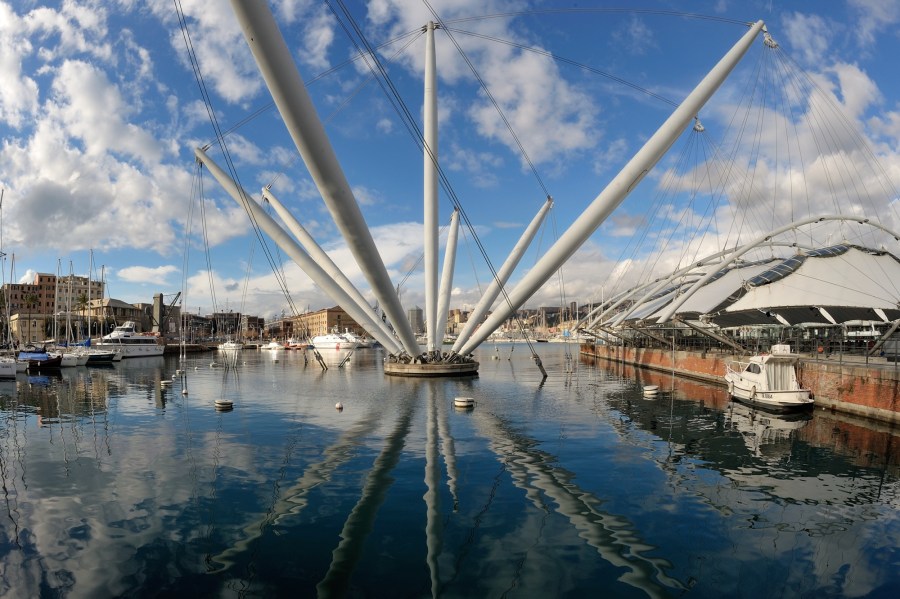
Porto Antico in Genoa is the perfect spot for a day full of discoveries. You start at the aquarium, where transparent tunnels plunge you into the underwater world of seals, penguins, and exotic fish. Next comes the Maritime Museum, where exhibits on pirates, medieval ships, and ancient banks reveal the secrets of Mediterranean trade. In the afternoon, you wander along the sunny promenade past Renaissance palaces and historic buildings, and the day ends with the colorful facades and the blue expanse of the Ligurian Sea.
🐬 First stop: Genoa Aquarium
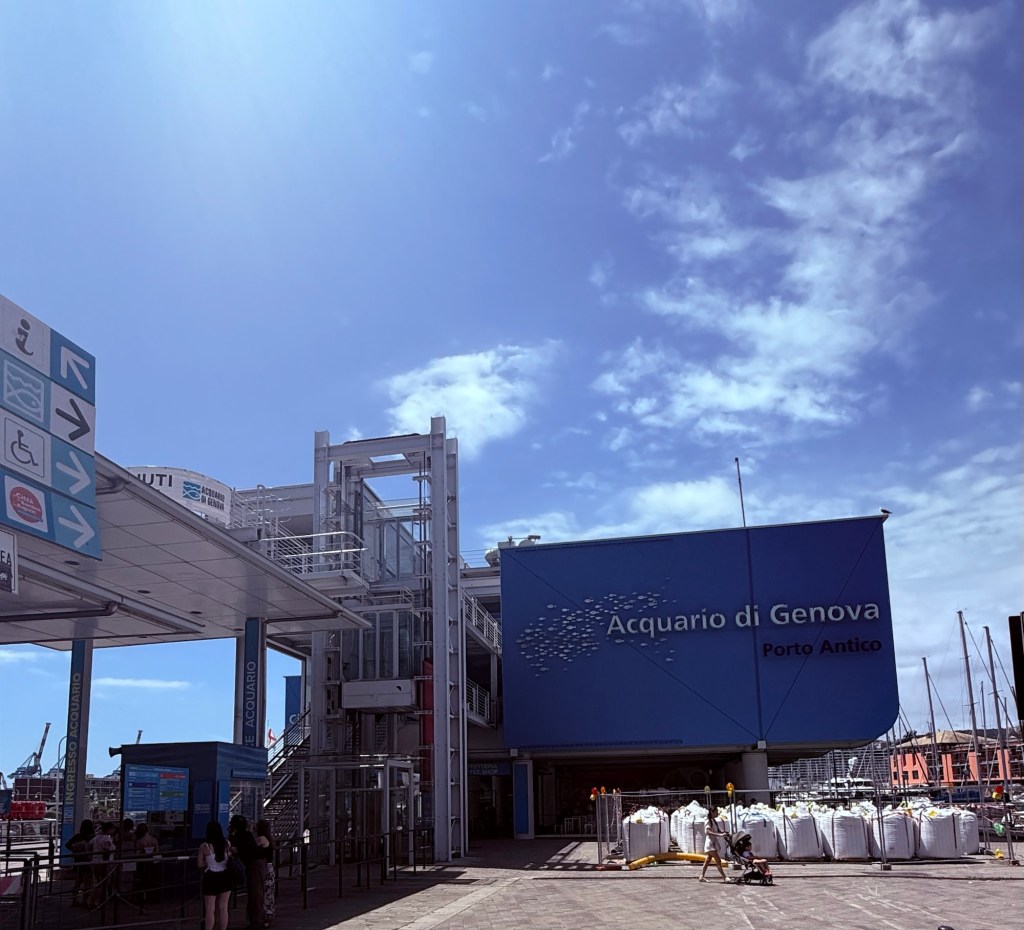
We kicked off our day at the Aquarium of Genoa, the largest in Italy and one of the biggest in Europe. It’s shaped like a ship (because, of course, it is), and houses over 12,000 sea animals. jellyfish that looked like something out of a science fiction movie, and a manatee that stared at us as if it were studying us closely.
Fun fact: The aquarium was designed by Renzo Piano, the same guy who co-designed the Centre Pompidou in Paris. Clearly, he has a thing for glass and grandeur.
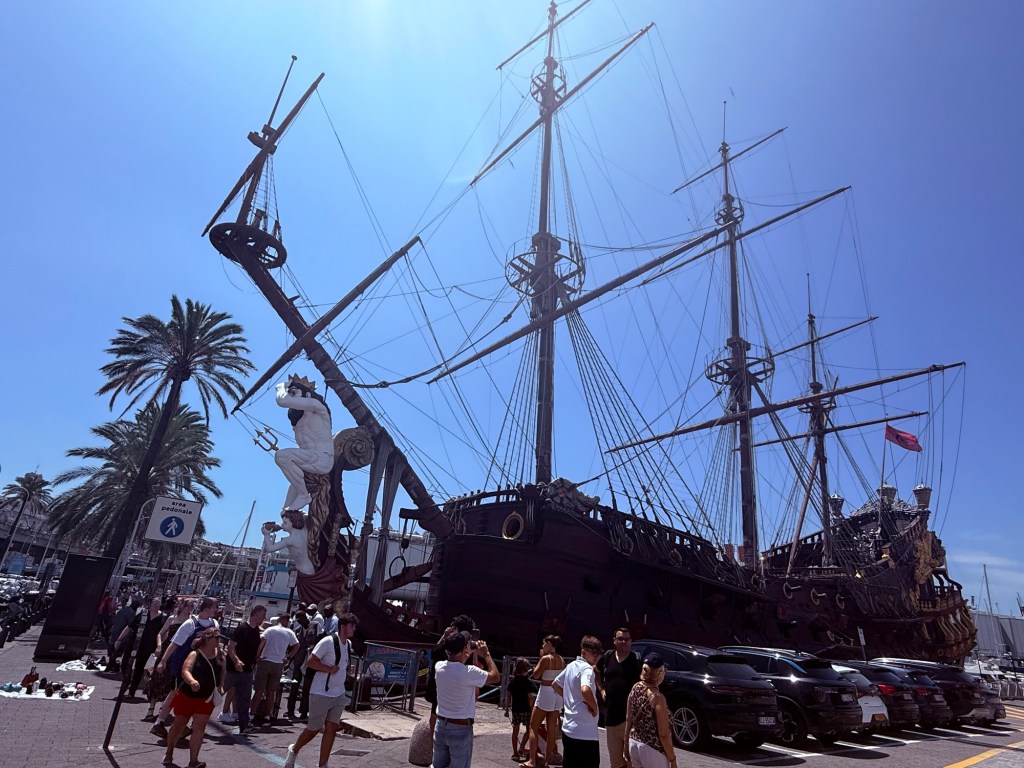
Permanently moored at Porto Antico (Ponte Calvi 2) in Genoa, Le Neptune can be visited daily from 10:00 to 17:00 (€6 for adults, €4 for children). The interior recreates the period atmosphere with authentic cannons, barrels, ropes, and crew cabins.
💡 Tips for Visiting:
- Buy tickets online to skip the long lines, especially in summer.
- Go early in the morning or late afternoon to avoid school groups.
- Don’t miss the touch tank—yes, you can pet a stingray (gently!)
- The panoramic elevator nearby offers great views of the harbor.
🏛️ Palazzo San Giorgio – Genoa’s Original Vault of Secrets
Next, we wandered over to Palazzo San Giorgio, a striking structure adorned with soft-hued frescoes and Renaissance charm, as if history itself had been painted in watercolor. Built in 1260 by Guglielmo Boccanegra (uncle of Genoa’s first Doge), the palace was originally intended to be a symbol of civil power, standing in contrast to the religious authority of the nearby Cathedral of San Lorenzo.
But things took a turn. Just two years later, Boccanegra was exiled, and the palace was repurposed as a prison. Its most famous inmate? Marco Polo. Yes, that Marco Polo. After being captured by the Genoese during the Battle of Curzola in 1298, he was locked up here. While imprisoned, he dictated his legendary travel tales to a fellow inmate, Rustichello da Pisa, who turned them into Il Milione—a book that would inspire explorers for centuries.
In the 15th century, the palace took on a new identity as the headquarters of the Bank of Saint George, one of the oldest chartered banks in Europe. This institution managed public debt, funded voyages, and even governed overseas colonies. Basically, it was the medieval version of a financial superpower, with a side hustle in empire management.
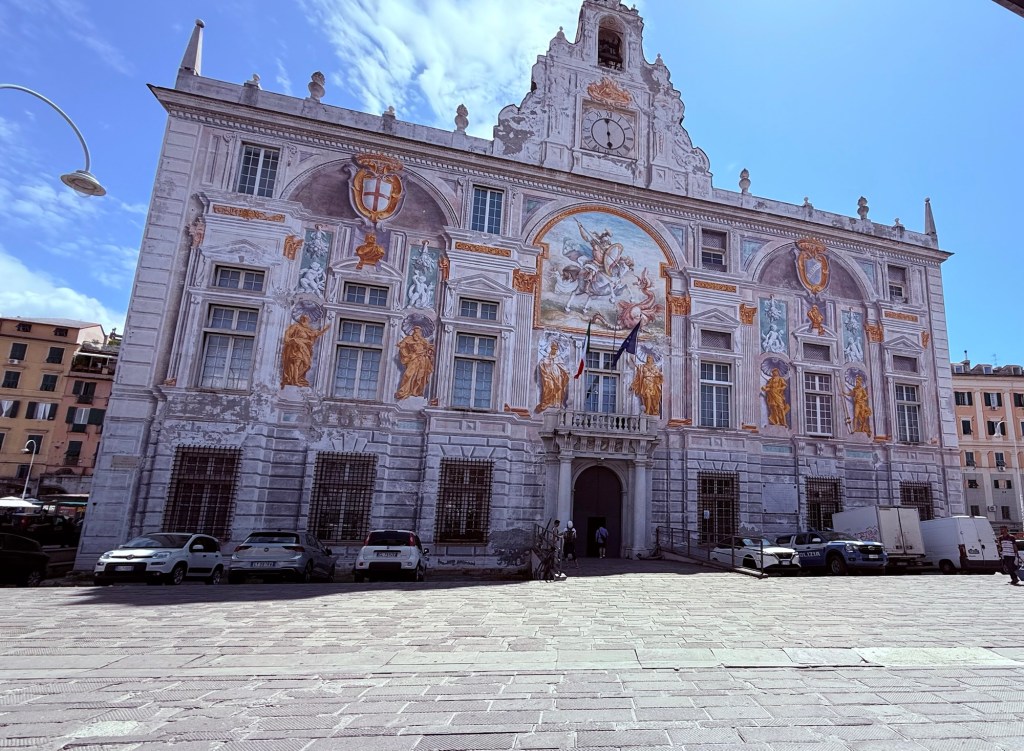
The building itself is a blend of Gothic and Renaissance architecture, with a façade that was lavishly repainted in the 19th century. Today, it houses the Port Authority, but its walls still whisper tales of pirates, prisoners, and powerful bankers.
🏛️ Palazzo San Giorgio – Visitor Information
📍 Address: Via della Mercanzia 2, 16124 Genoa, Italy
🕘 Visiting Hours: Varies – typically open during special events or guided tours.
🎟️ Tickets:
- Entry: Often free or donation-based during open days
- Guided tours may have a small fee
⭐ Highlights:
- Frescoed façade with maritime motifs
- Site of Marco Polo’s imprisonment
- Birthplace of one of the world’s first banks (Casa di San Giorgio)
💡 Tips for Visiting:
- The interior is not always open to the public, so check ahead for special exhibitions or events.
- Take a photo of the frescoed façade—it’s one of the most Instagrammable spots in Genoa.
- Pair with a walk along the Porto Antico promenade
⚓ Galata Museo del Mare – Where You Can Board a Submarine (and Not Panic)
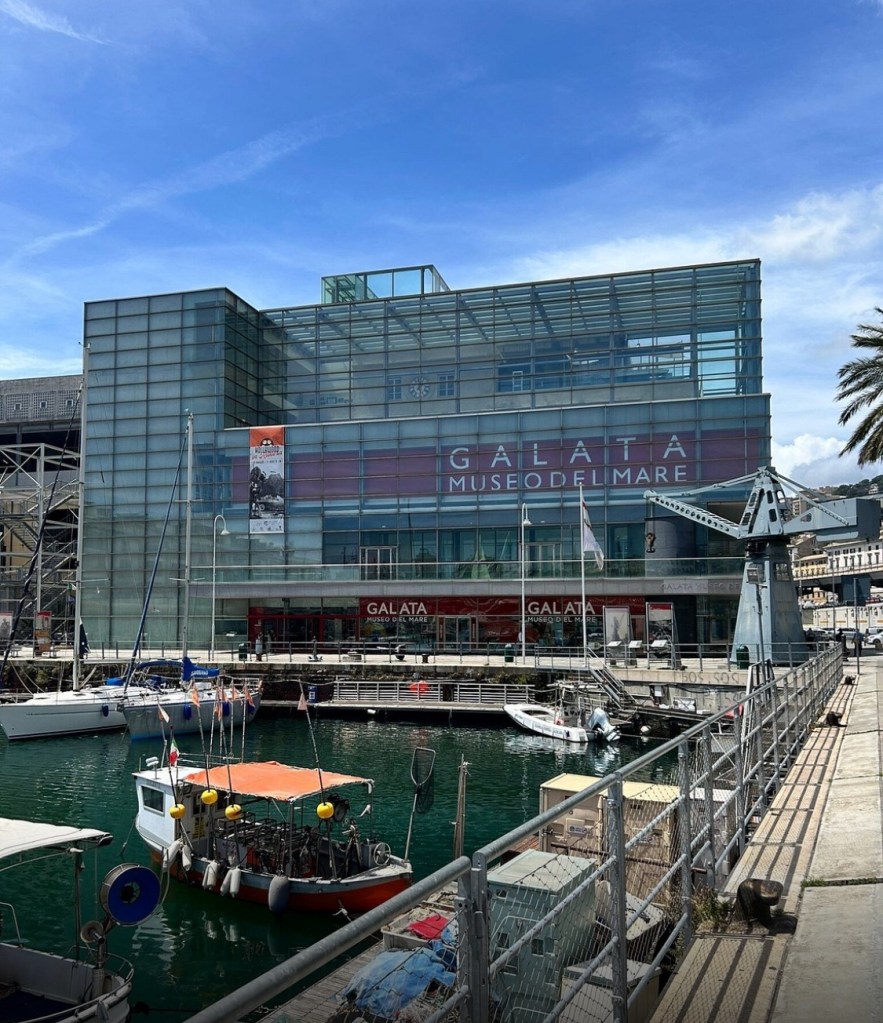
Our last stop was the Galata Museo del Mare, a maritime museum that is much more interesting than it sounds, and not just because it has a submarine parked in front of the building. With an area of over 12,000 square meters, it is the largest maritime museum in the Mediterranean and has 4 floors filled with ship models, sailors’ stories, and interactive exhibits that made us feel like we had travelled back in time to the maritime heart of Genoa.
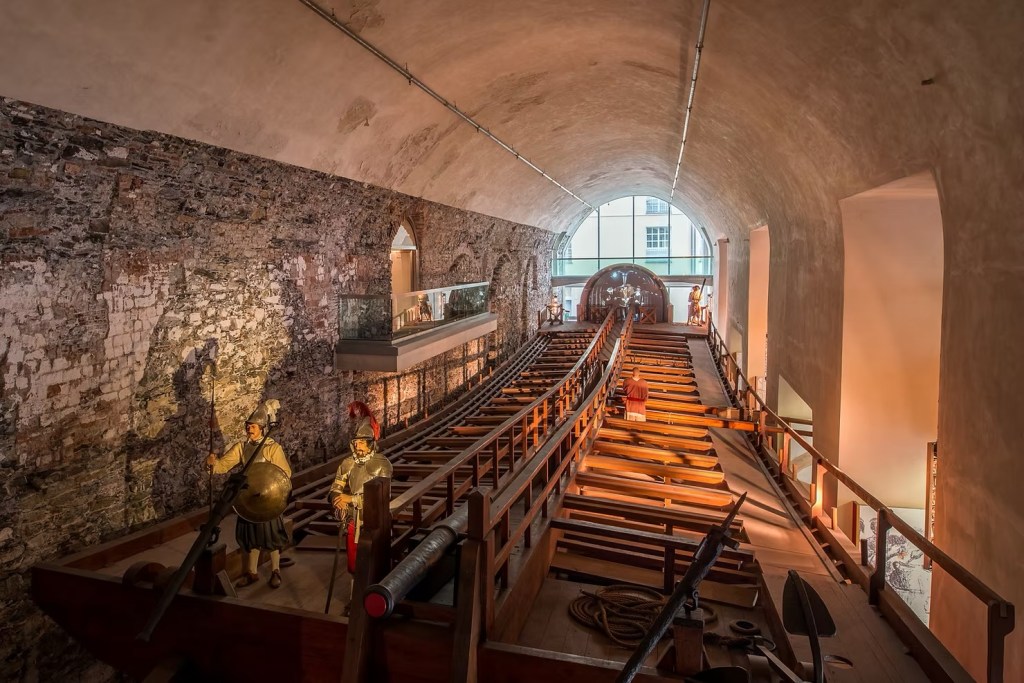
We walked through a life-size replica of a 17th-century galley, with creaking wooden decks, oars as big as tree trunks, and mannequins that looked like they had seen a lot in their lives.
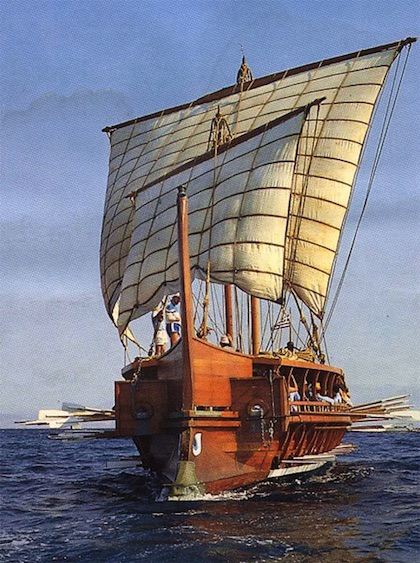

But the museum is not just about ships; it is also about people. One of the most moving sections is the exhibition on emigration, “La Merica,” which recreates the experience of Italians who left for America in the late 19th and early 20th centuries. We got to go inside a replica of a third-class ship cabin and listen to real stories from passengers. This was an unexpectedly moving and beautifully done experience.
🚢 Hidden Gem Alert: Submarine Nazario Sauro
Anchored right in front of the museum is the S518 Nazario Sauro, an authentic Cold War-era submarine and the only Italian submarine that can be visited while still in the water. Built in 1976 and decommissioned in 2002, it participated in NATO operations and patrolled the Mediterranean Sea during the tense decades of maritime surveillance.
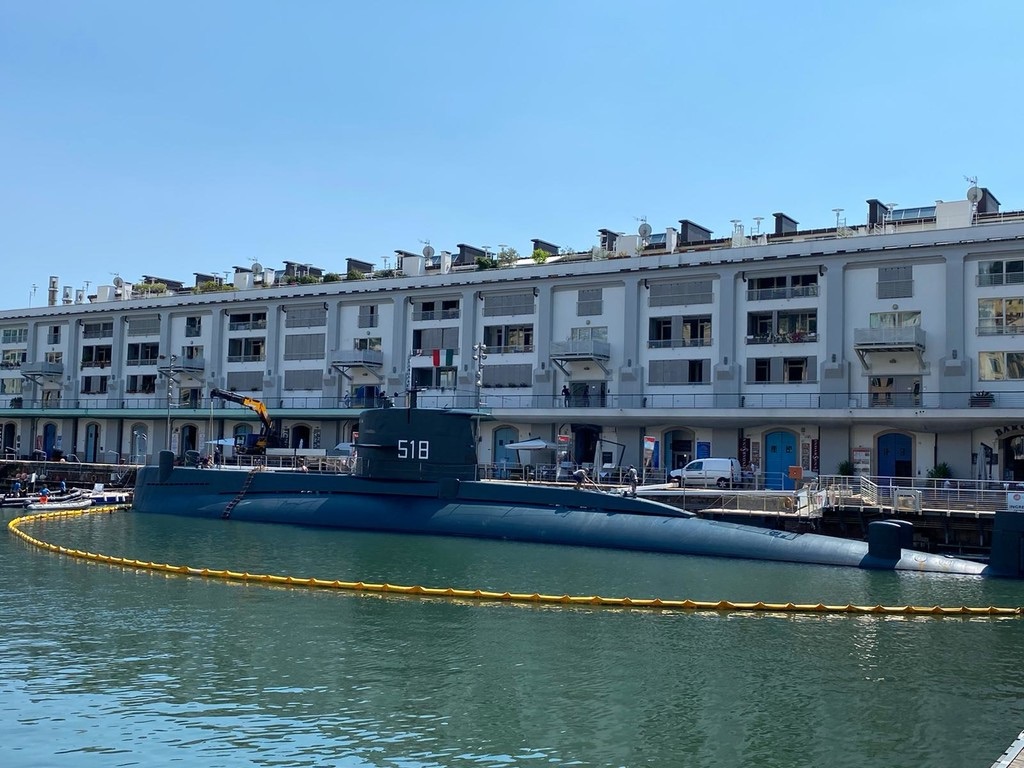
Inside, it is possible to hear the sounds of sonar, the hum of the engine, and even simulated conversations of the crew. The space is narrow, claustrophobic, and absolutely fascinating. You’ll have to squeeze through narrow hatches, look into torpedo compartments, and realize that submarine pilots are basically superheroes … with a high tolerance for canned food and zero legroom.
⚓ Galata Museo del Mare – Visitor Information
📍 Address: Calata De Mari, 1, 16126 Genoa, Italy
🕘 Visiting Hours: Daily: 10:00 AM – 7:30 PM (last entry at 6:00 PM)
🎟️ Tickets:
- Museum Only: Approx. €17
- Museum + Submarine Nazario Sauro: Approx. €21
- Combo with Aquarium: From €41.50
⭐ Highlights:
- Full-size 17th-century galley ship
- Submarine Nazario Sauro (real and visitable!)
- Emigration and migration exhibits
- Interactive and VR experiences
- Rooftop terrace with harbor views
📸 Tips:
- 🎟️ Combo tickets are available for the museum + submarine—totally worth it.
- 🧳 Don’t skip the emigration exhibit—it’s surprisingly moving and immersive.
- 👟 Wear comfortable shoes—there’s a lot of walking, climbing, and ducking.
- 🌊 The rooftop terrace offers panoramic views of the harbor and is often missed.
- 📸 Photos are allowed, but flash is discouraged—especially near the mannequins (they spook easily).
- Submarine visit not recommended for claustrophobes
🧭 Final Thoughts: One Day, A Thousand Years of Stories
Porto Antico is more than just a scenic port – it is a living time capsule, where medieval towers, modern museums, and Mediterranean breezes coexist in perfect harmony. Whether tracing the footsteps of explorers or simply enjoying the salty air, Genoa’s port is a journey in itself.
Here you can:
- Travel through centuries in a single afternoon, from 13th-century palaces to Cold War submarines.
- Children can learn without realizing they are learning (thanks to dolphins and interactive exhibits).
- Discover unexpected moments of beauty, such as the frescoed façade glistening in the afternoon sun or the peaceful rooftop view of the Ligurian Sea.
Whether you spend a few hours or a whole day, Porto Antico leaves you with that unique feeling of having travelled through time, across oceans, and into stories you never knew you needed.
Discover more from "The world is your oyster".
Subscribe to get the latest posts sent to your email.
