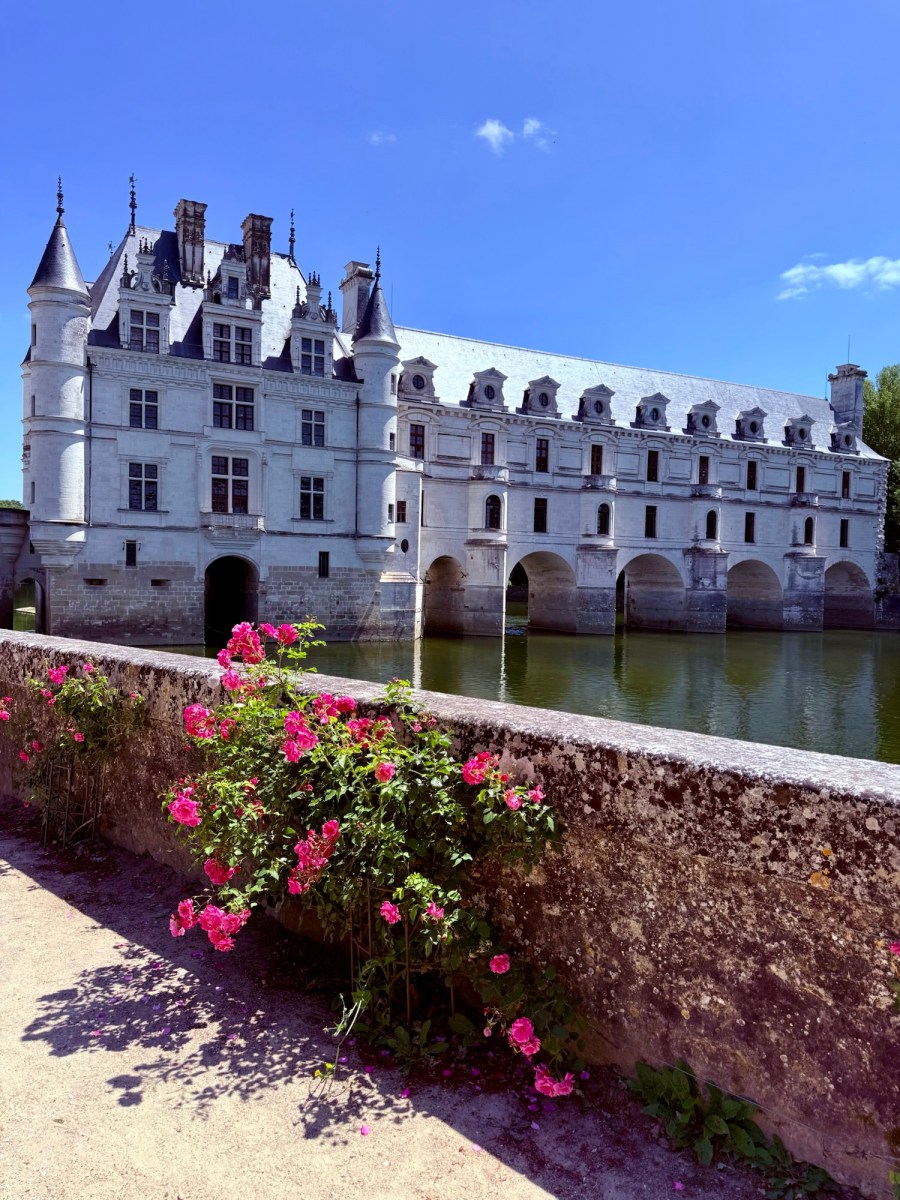
Today we visited Chambord and Chenonceau, two magnificent castles, each with its own personality: Chambord, grand and monumental; Chenonceau, intimate and full of charm.
As I mentioned before, from Langeais you can reach both castles in under an hour, so the route is very doable. And the villages where these castles are located are wonderfully picturesque: clean, with pretty, well‑kept houses, flower‑filled courtyards, and warm people always ready for a chat. At one of our stops, George suddenly hit the brakes because he spotted two mutts wagging their tails at us in the friendliest way. He and my daughter are huge dog lovers — unlike me — so they immediately got out to pet them. Moments later, their owner, an older lady, came out and spent about forty minutes chatting with them: she told them her life story, where her son lives (two houses down), and so on — the whole package. And as a bonus, one of the dogs, who happened to be in heat, suddenly jumped on the other without any warning, right in the middle of the lively conversation, providing instant entertainment for everyone involved. 🤣 Honestly, if this hadn’t happened, I wouldn’t have had anything to write about.
After this completely unexpected intermezzo, the lady invited George to “pluck” her cherry tree at will, so he could gather a handful of cherries — not fully ripe, but exactly to my taste, since they were a bit tart. And just like that, we made a new acquaintance in a tiny village near Chambord, in the Loire Valley.
But let me not digress too much…
Chambord Castle
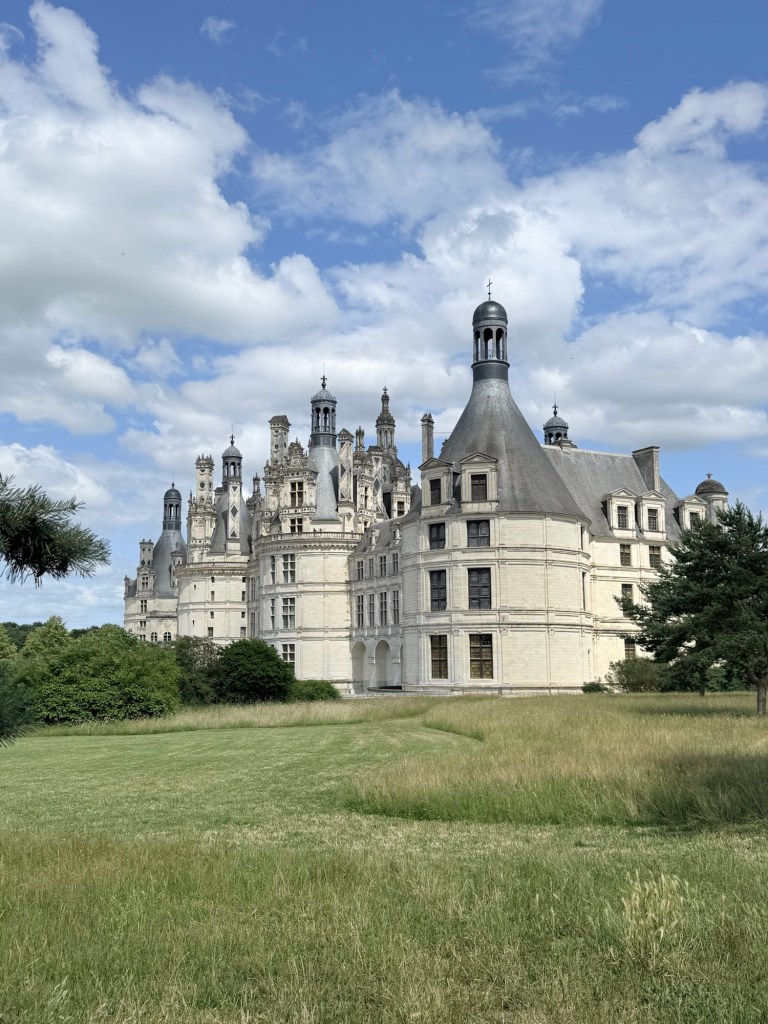
Chambord is one of the boldest projects of the French Renaissance, initiated by François I in 1519, who dreamed of something truly extraordinary. Built in the marshy heart of the Sologne region, Chambord took shape slowly, while craftsmen, architects, and laborers transformed a hostile terrain into a royal project. Over the decades, the castle expanded, blending medieval solidity with Renaissance elegance, until it reached its current form — dominated by the famous double‑helix staircase, traditionally attributed to Leonardo da Vinci, a detail that still gives the place an air of mystery and genius.
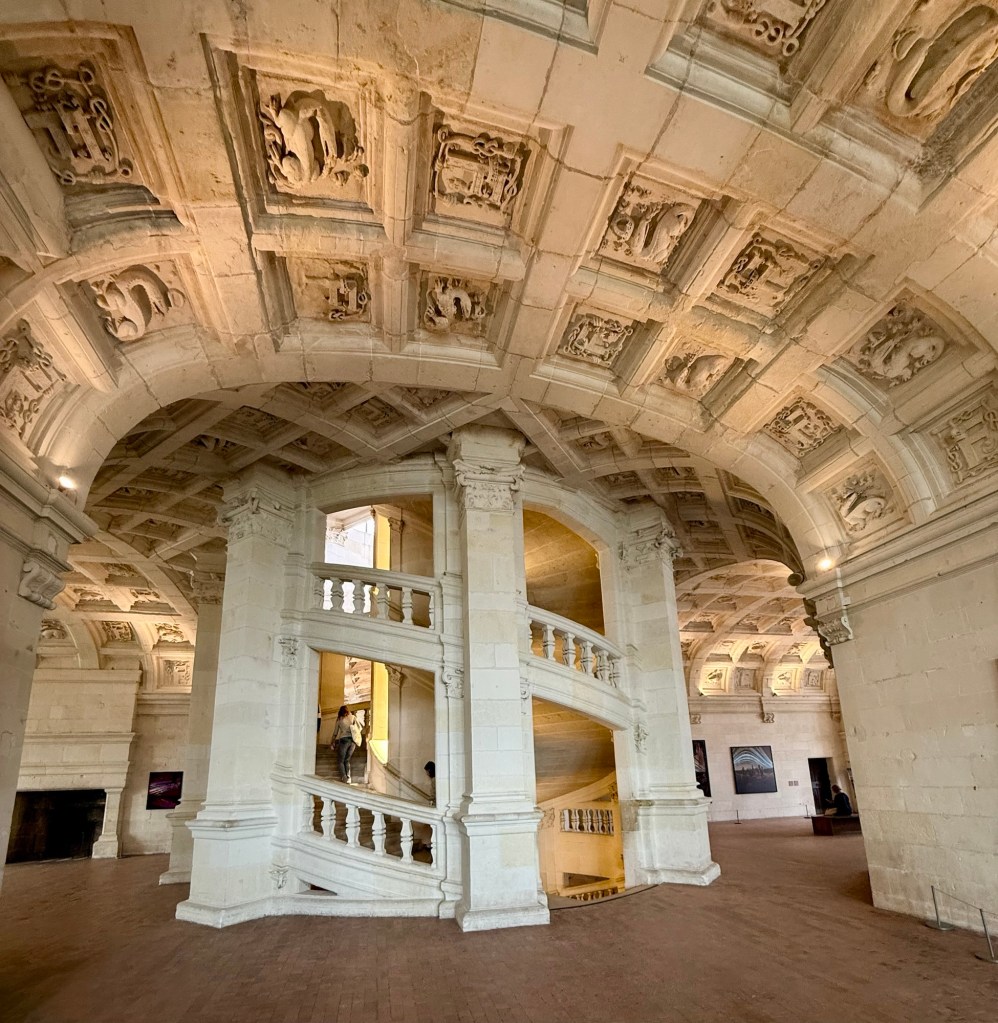
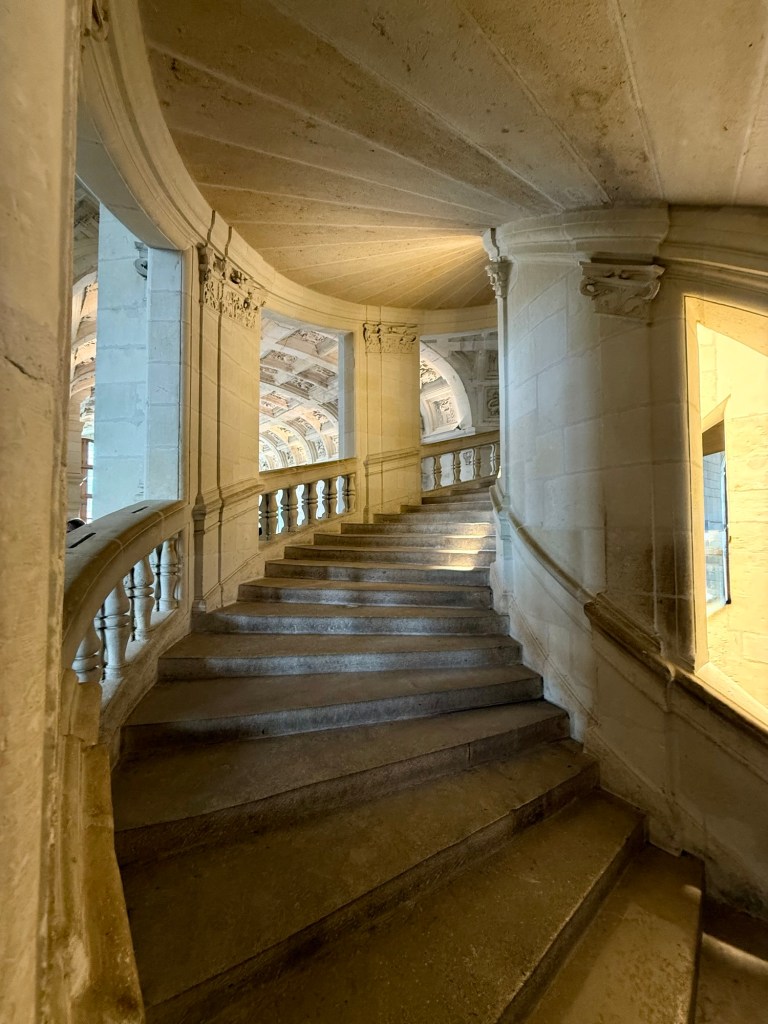
The staircase consists of two independent spirals, one twisting around the other. Several people could climb at the same time, seeing each other through openings but never crossing paths. In the 16th century, this was a rare feat of technical ingenuity. Nothing like it existed in France.
For François I, the staircase was perfect: he could ascend on one ramp while his courtiers used the other — they could see him, but not touch him. An architectural metaphor for the distance between the sovereign and the rest of the world.
Although no official document confirms it, tradition says the staircase was inspired by Leonardo da Vinci, who lived at François I’s court. Spirals, circular mechanisms, and perspective tricks were among his obsessions. The staircase feels exactly like the kind of problem Leonardo would have enjoyed solving.
Despite its grandeur, Chambord was used surprisingly little; François I spent less than 60 days here in total. It was too cold, too hard to maintain, too large for everyday life.
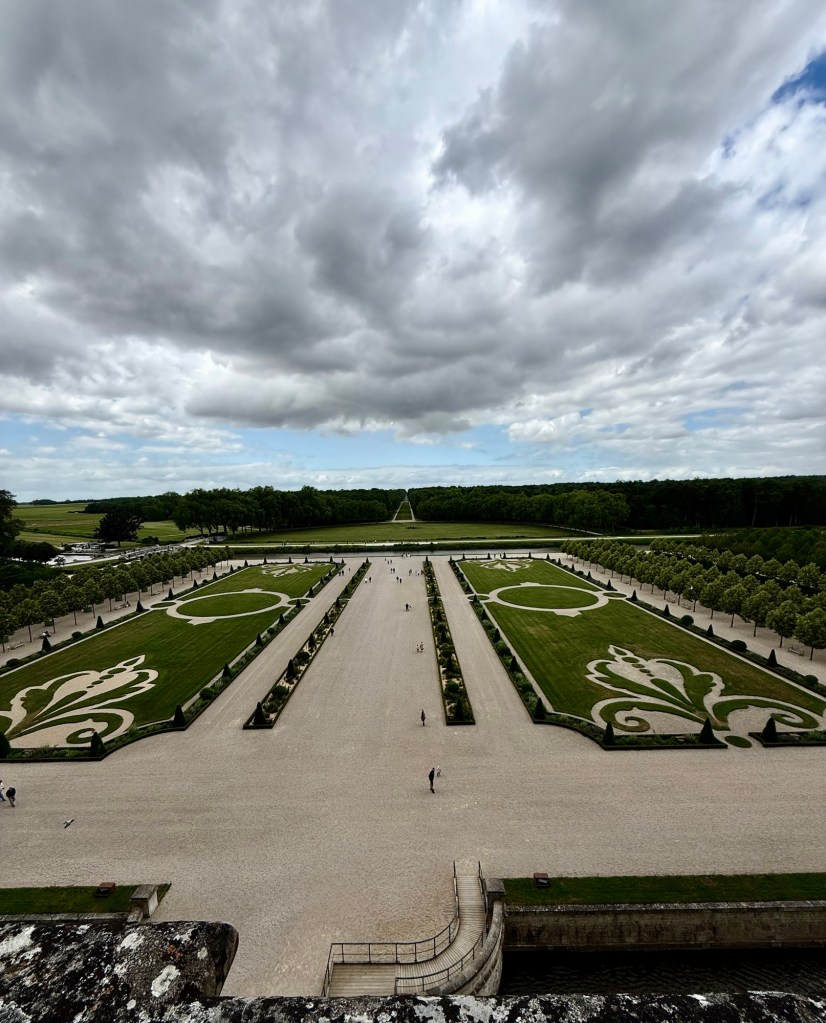
The castle was originally built as a hunting lodge in the middle of a vast forest. The entire estate was a royal “playground” where François I invited his courtiers to displays of strength. The surrounding forest, still enclosed by a 32‑km wall, is a reminder that everything began with a royal passion: hunting.
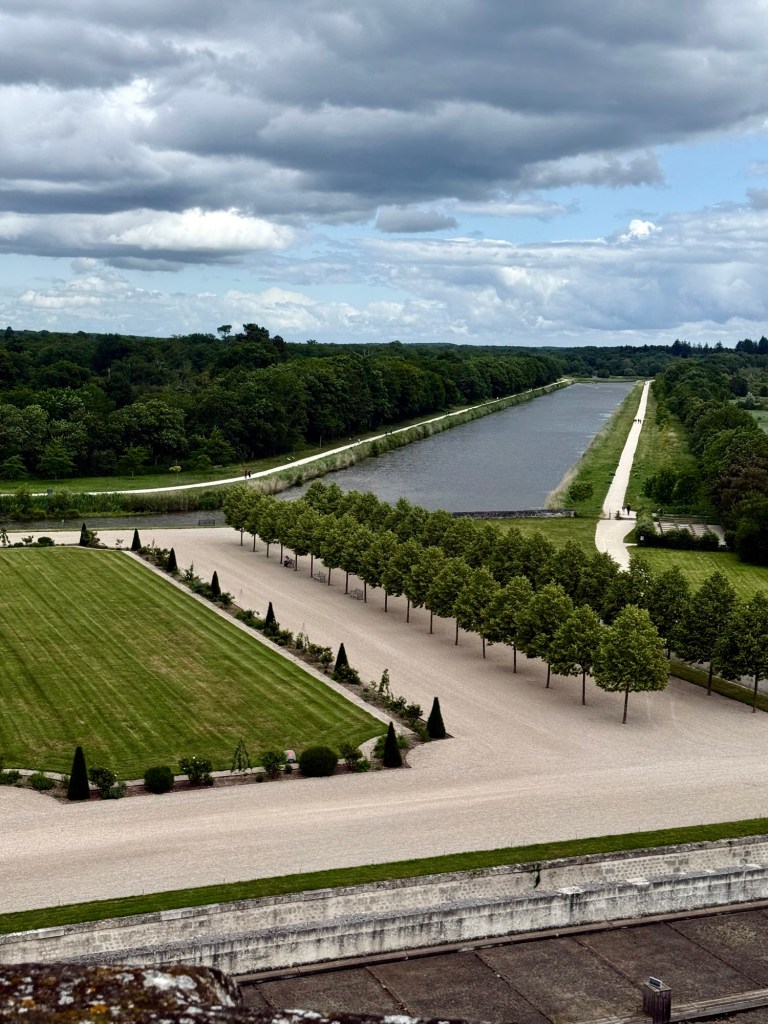
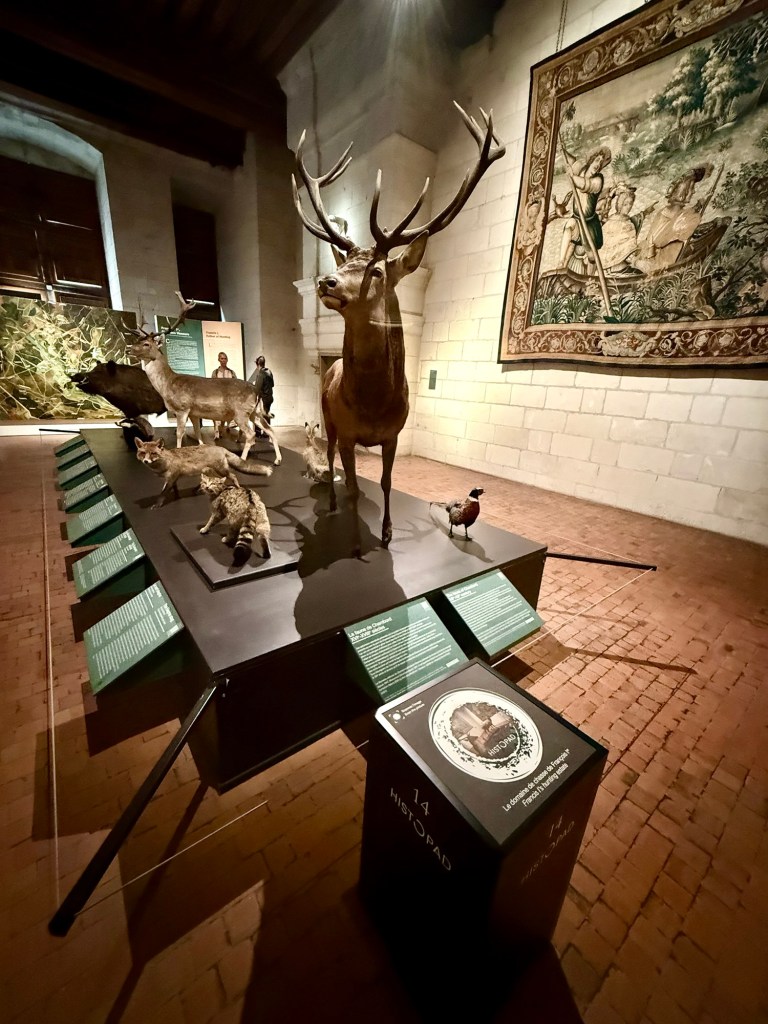
But Chambord was not conceived only as a hunting residence — it was also a symbol of François I’s political ambition. At a time when Italy dominated the artistic scene, the king wanted to show that France could match and even surpass Renaissance models. The castle thus became a declaration of modernity and power.
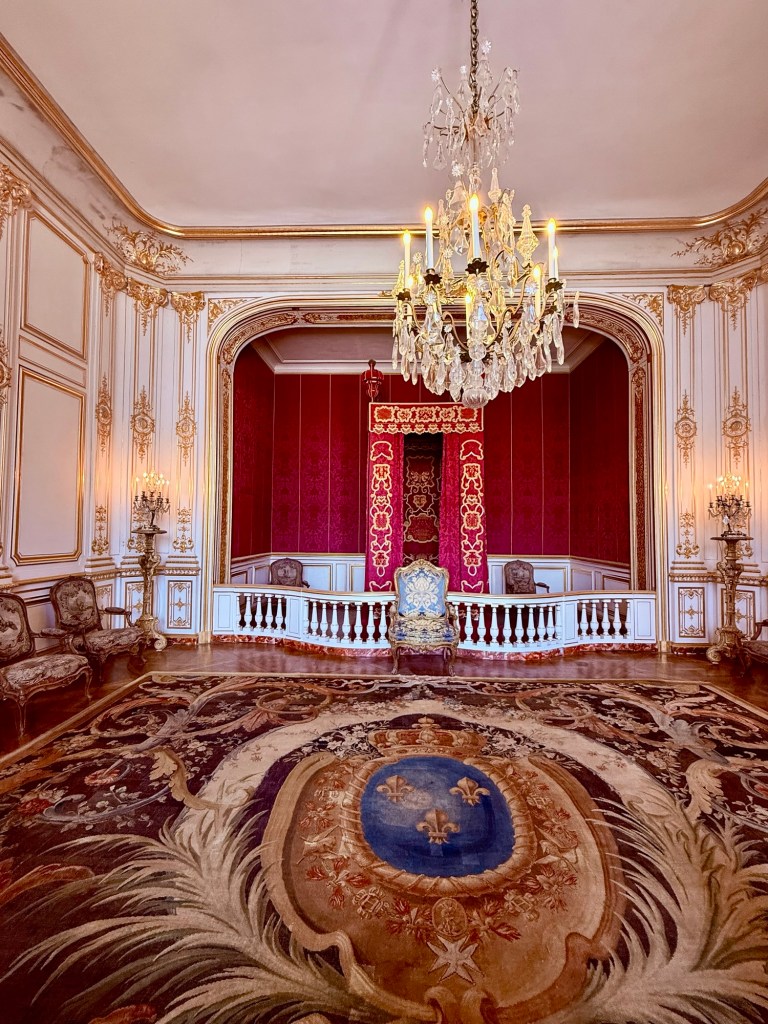
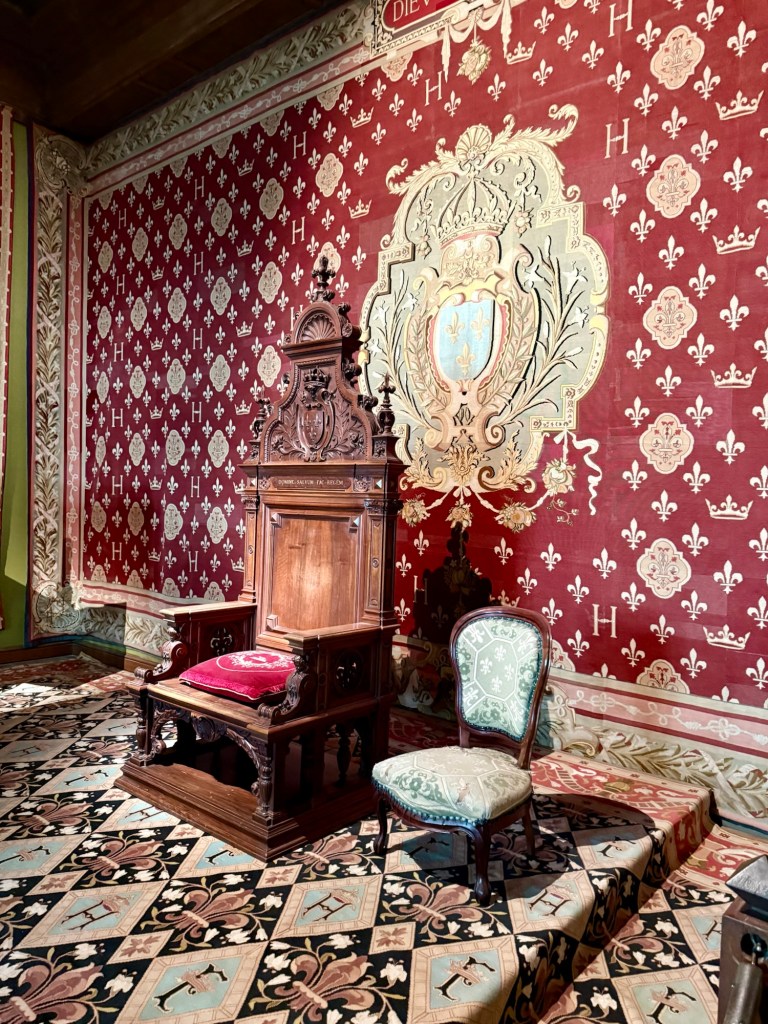
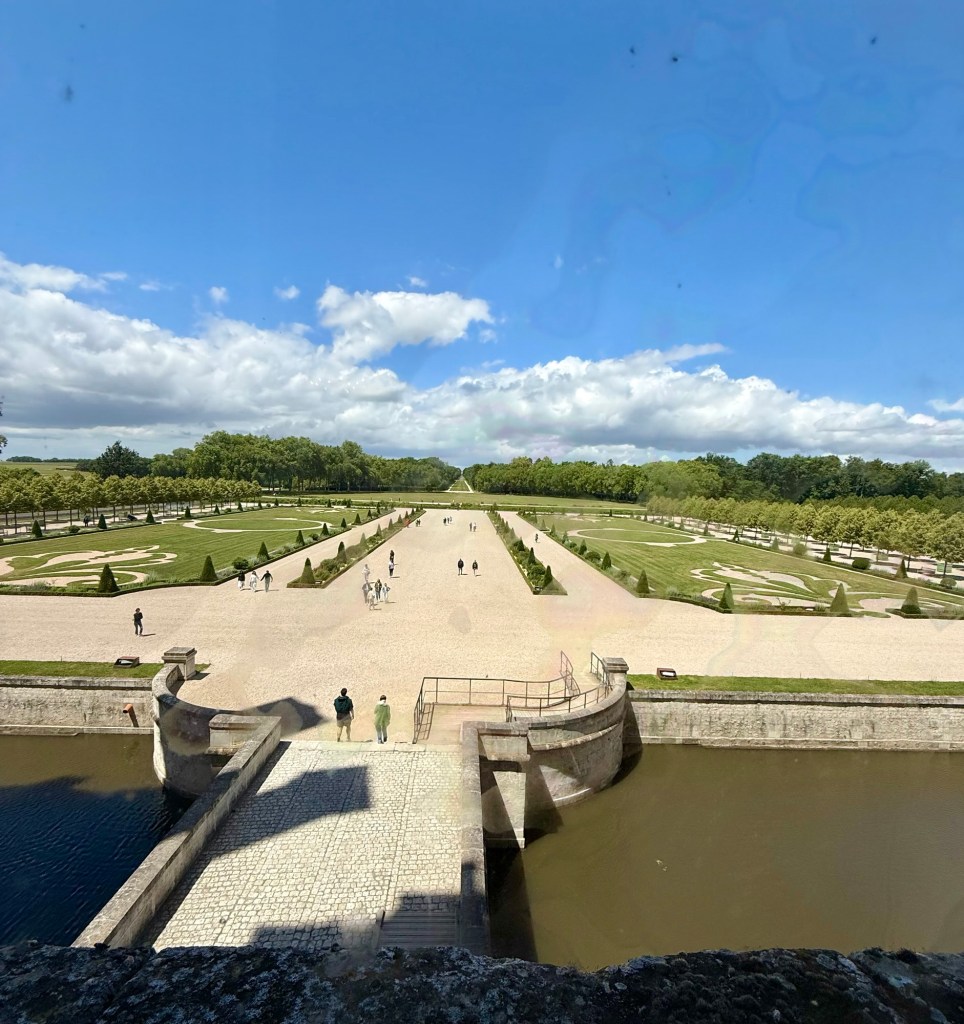
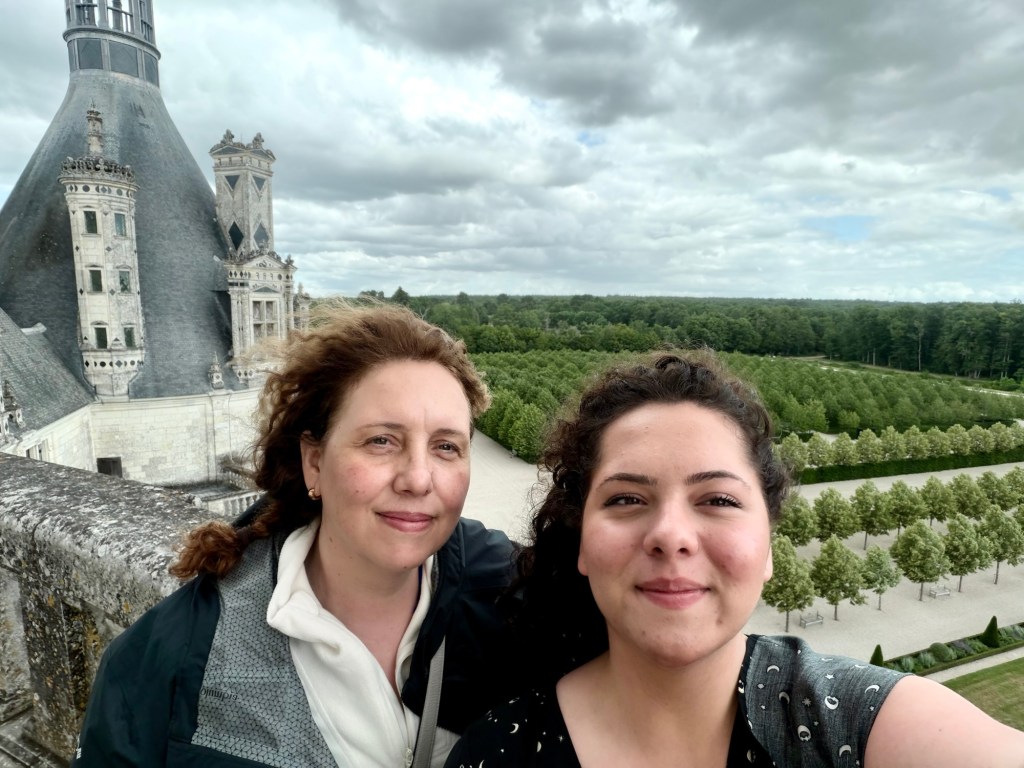
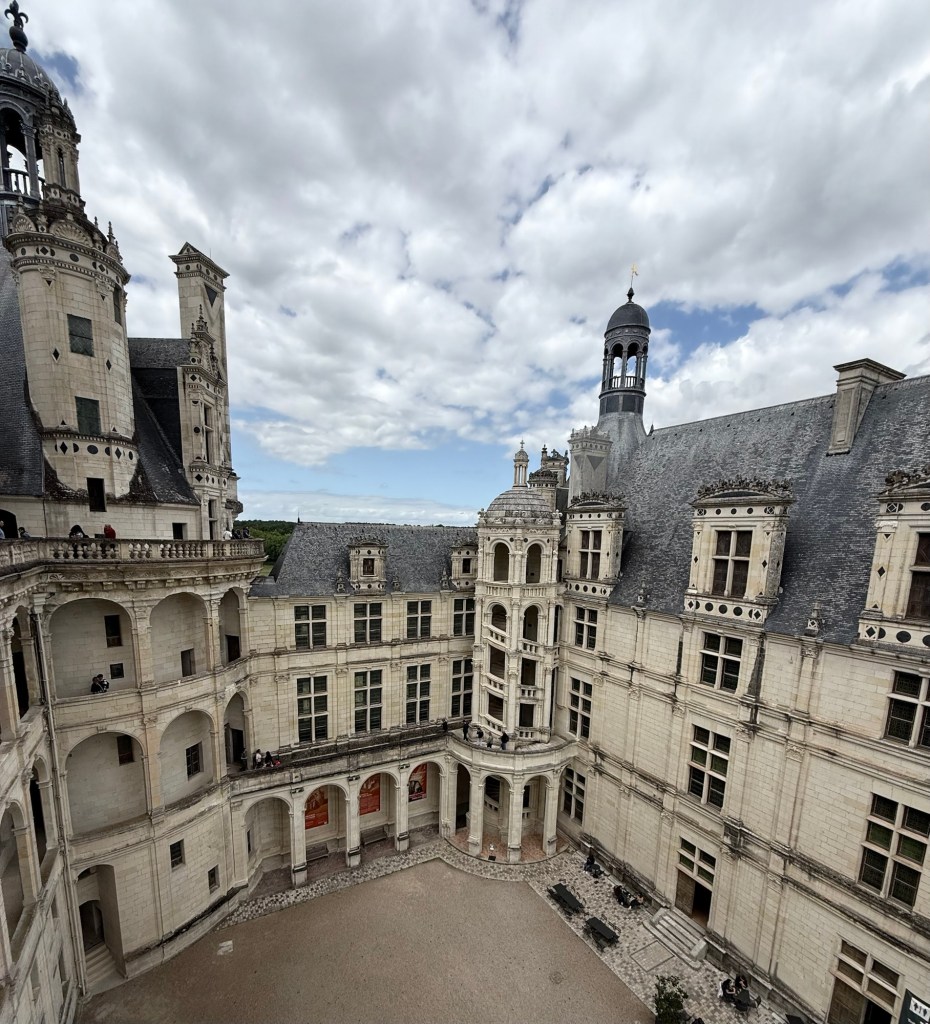
Chambord was the perfect setting for grand entrances, parades, banquets, and displays of might. Everything was designed to impress visitors — a spectacle of royal authority.
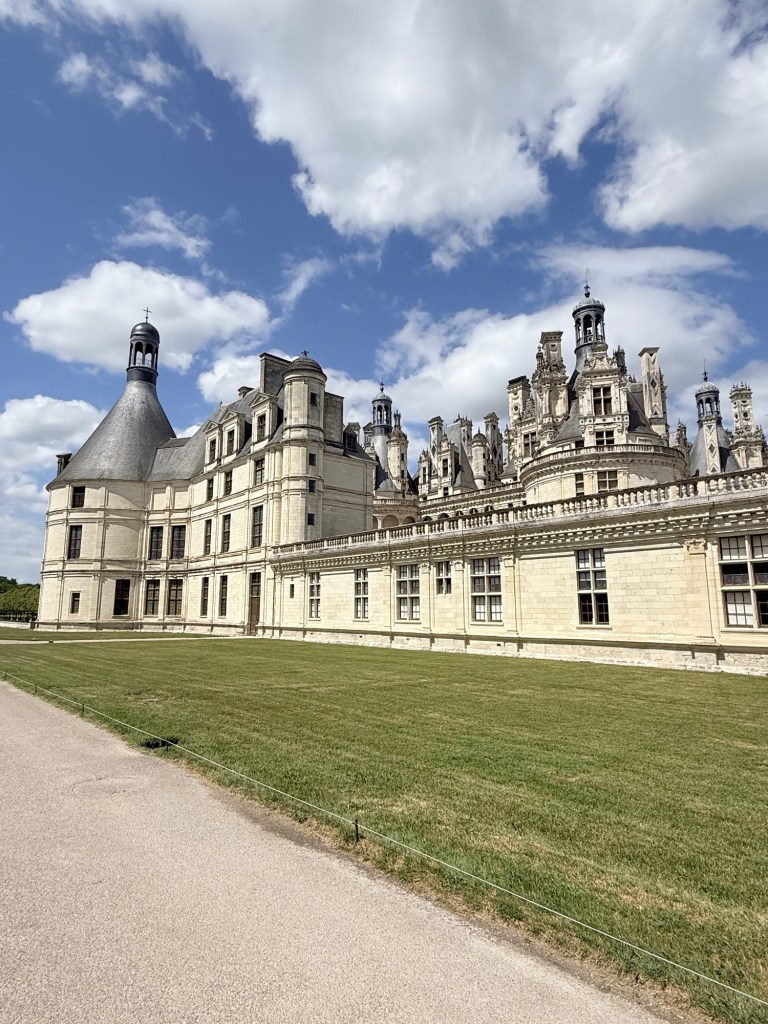
By the end of the visit, you’re left with the impression that Chambord is not just a monumental structure, but a testament to the political and cultural ambitions of François I. A project that reflects both the vision of its era and the impressive resources of the French monarchy.
Chenonceau Castle
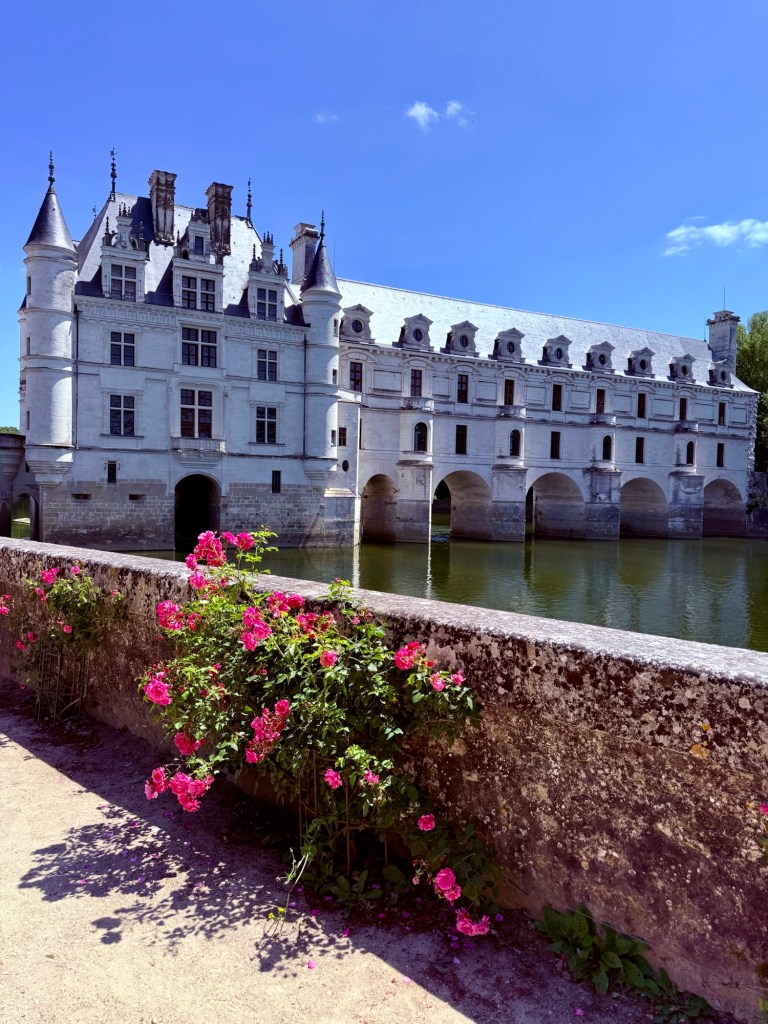
Chenonceau is a castle shaped over the centuries by the powerful women who owned it, each leaving her mark. That’s why it feels warm, intimate, almost personal — unlike any other Loire castle. It is a unique monument of the French Renaissance, built in the 16th century and successively transformed by Diane de Poitiers and Catherine de’ Medici. Each owner added a new structure, a wing, a garden, turning the castle into a symbol of feminine power.
The story of Chenonceau begins on the foundations of an old fortified mill on the Cher River. In the 16th century, the Bohier family bought the estate and transformed it into an elegant Renaissance castle, with Katherine Briçonnet — a discreet but essential figure — personally overseeing the works between 1515 and 1521. She shaped the castle’s initial form, paying attention to proportions and to the light streaming through the wide windows — a rare detail for the time.
After Thomas Bohier’s death, King François I ordered a financial audit of his accounts. The results revealed significant debts owed to the Crown — either from managing public funds or unpaid taxes. As a result, in 1535, Chenonceau was seized and became royal property — a lesser‑known but typical episode of royal politics.
Chenonceau entered its golden age under Henry II, who gifted it to his favorite, Diane de Poitiers. She transformed the estate into a refined domain, added spectacular gardens, and most importantly, commissioned the construction of the bridge over the Cher — a bold innovation that would define the castle’s identity.
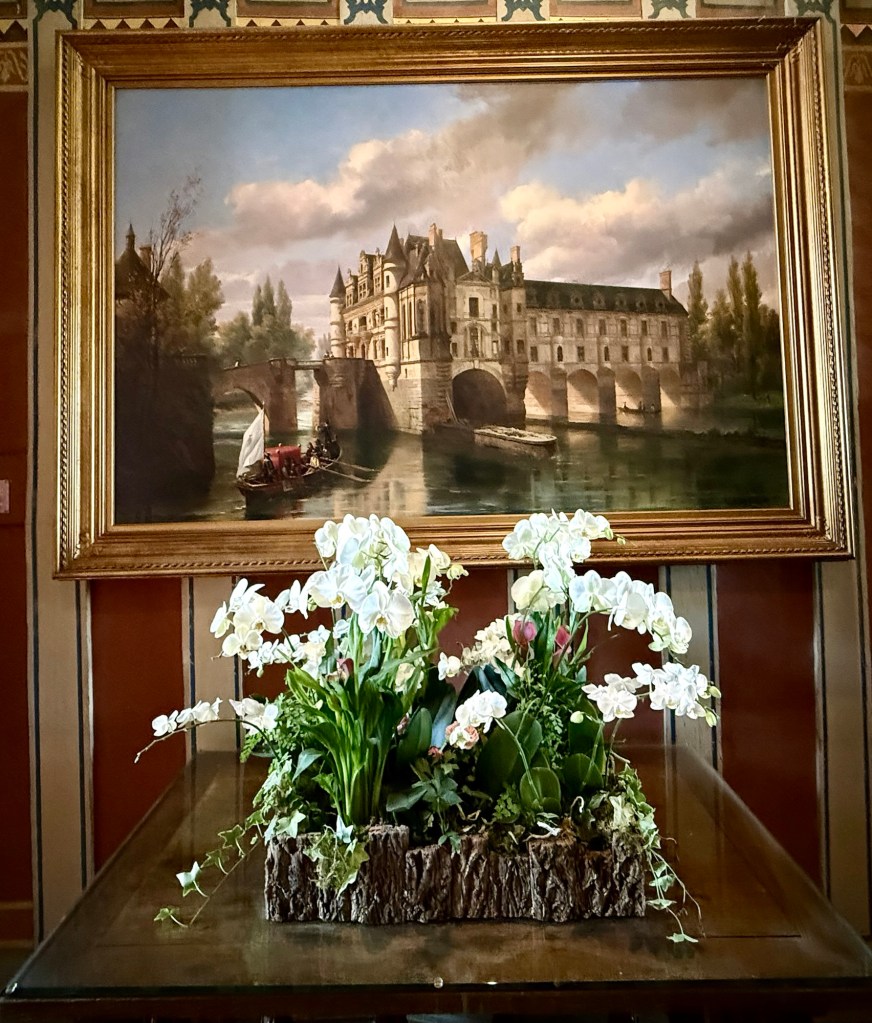
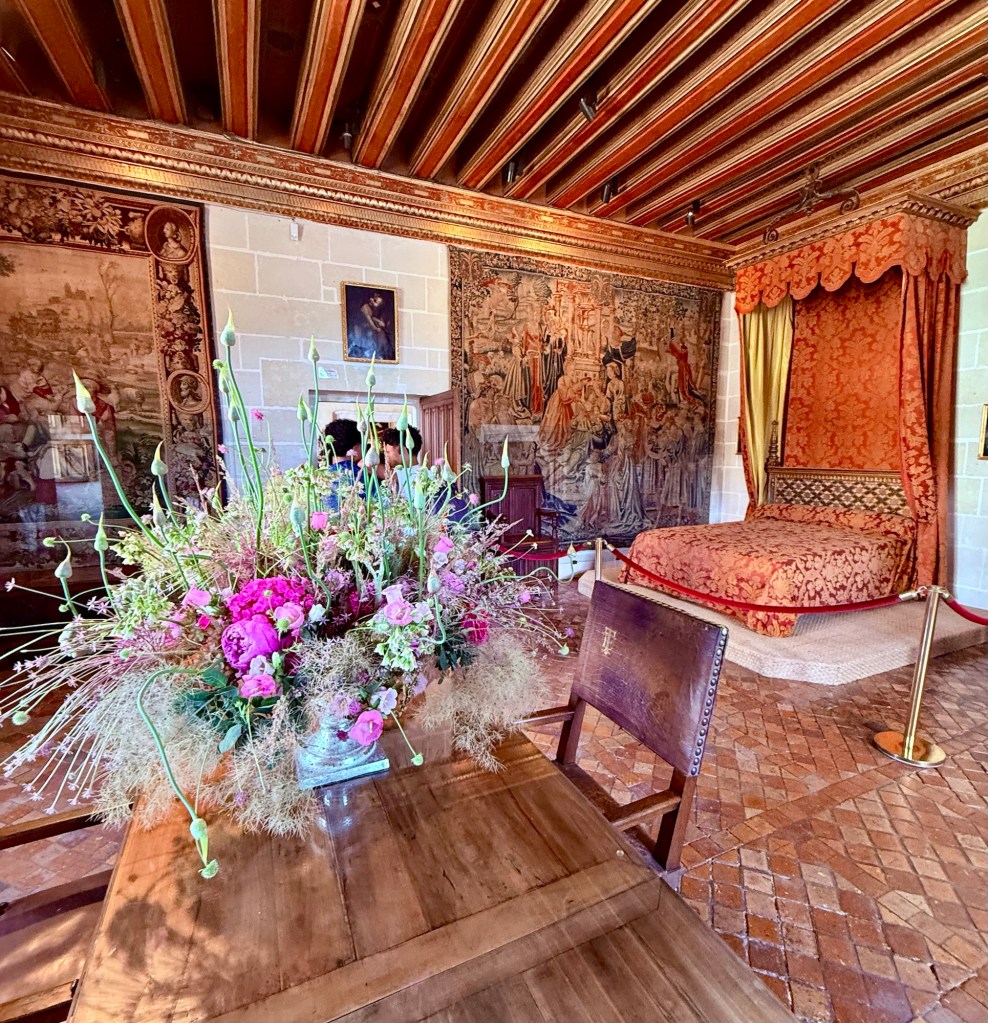
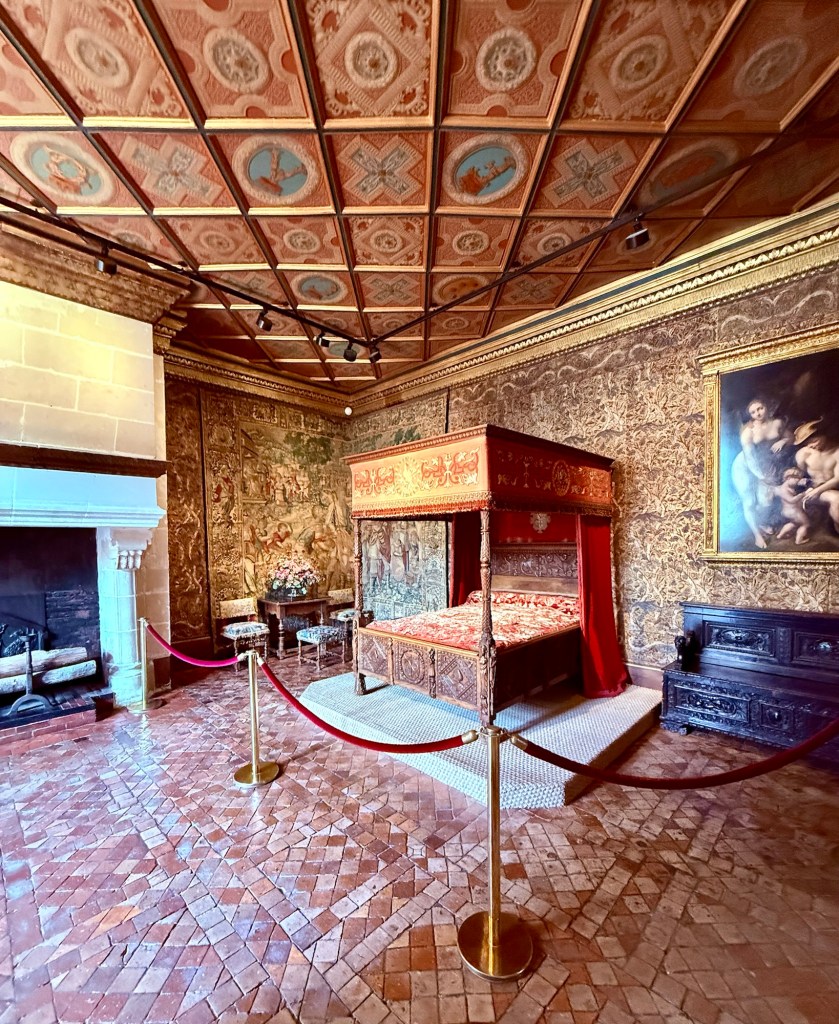
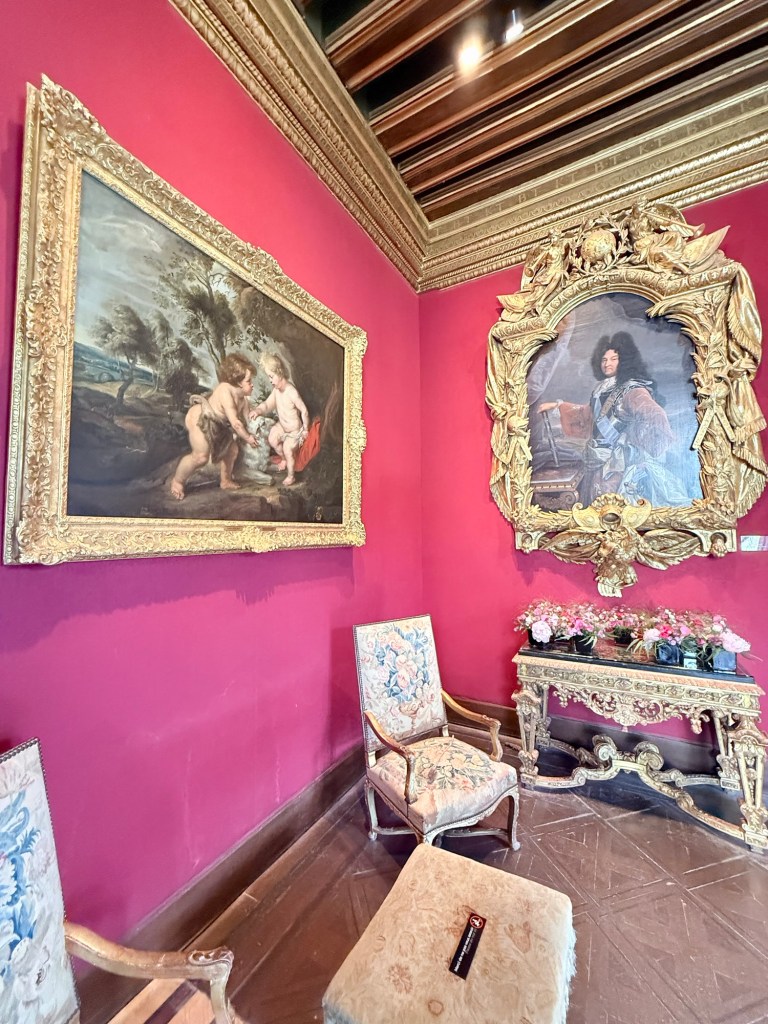
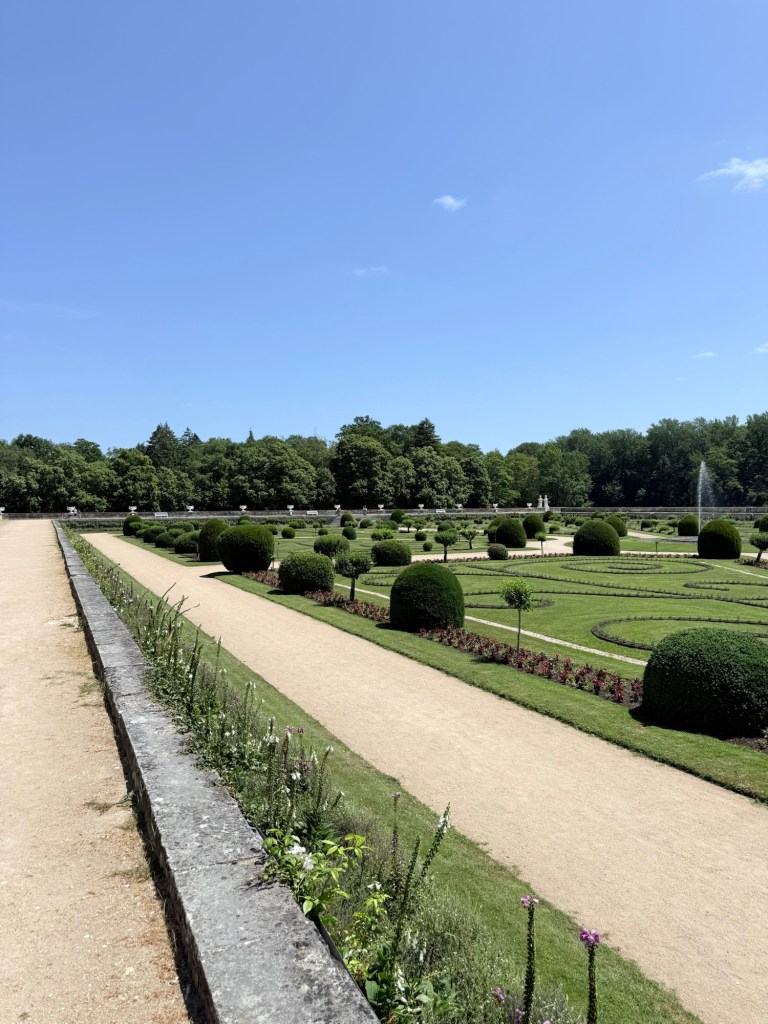
After Henry II’s death, Catherine de’ Medici removed Diane and took over Chenonceau. She continued the project, turning the bridge into a suspended gallery — an architectural gesture unique in France. Under Catherine, the castle became a center of political and cultural power: she hosted balls, receptions, and even the first fireworks display in French history.
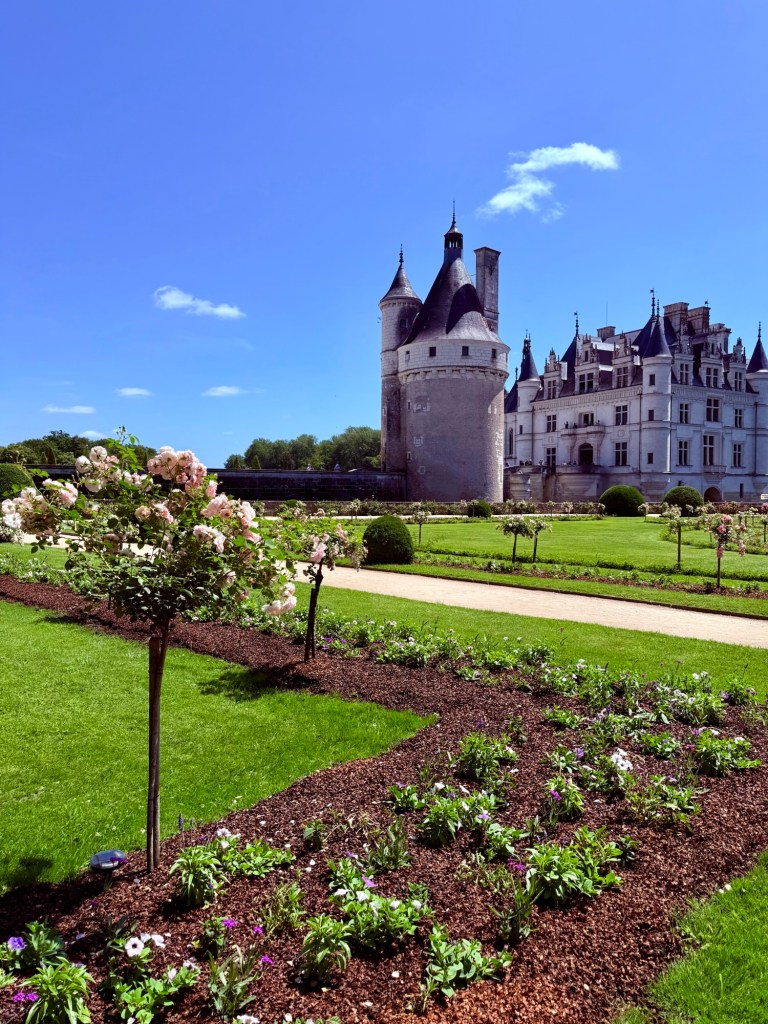
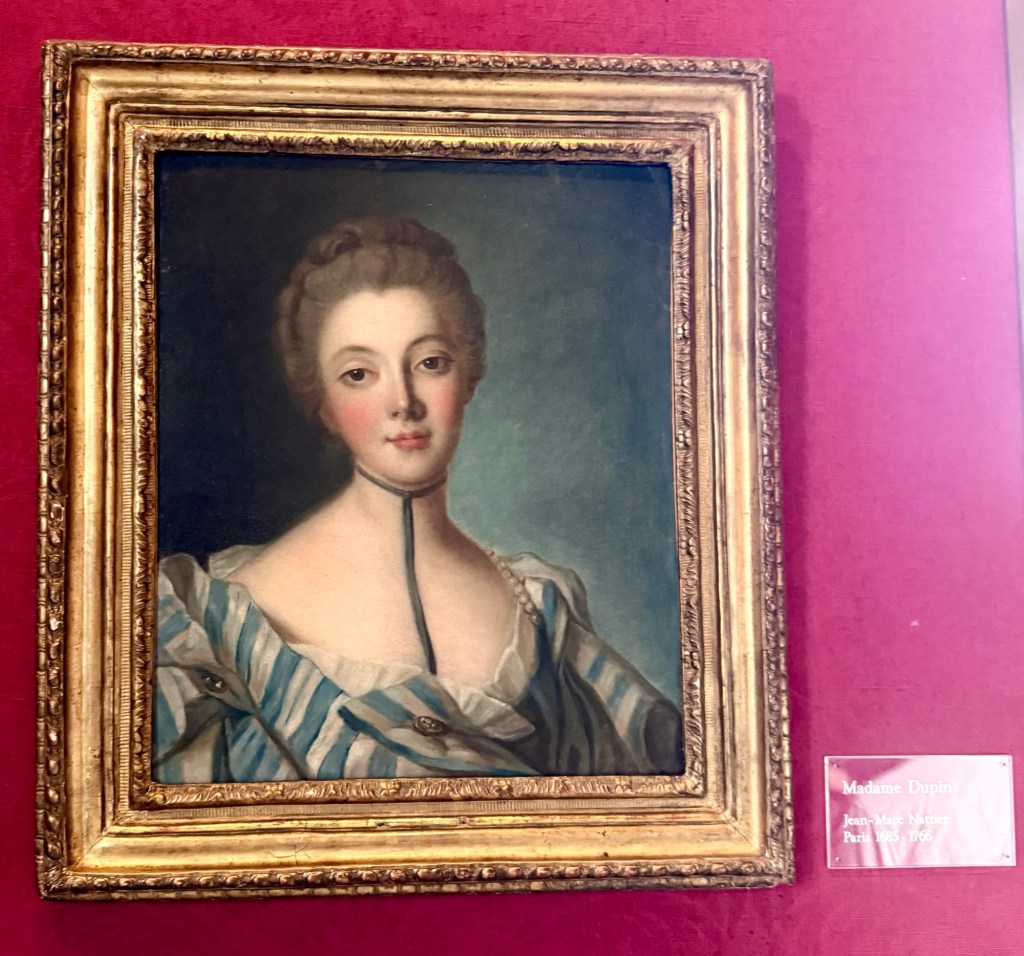
The following centuries brought changes and dangers. During the French Revolution, Chenonceau was saved from destruction thanks to the intervention of its owner, Louise Dupin, a cultivated and respected woman who convinced authorities that the bridge was essential to the community.
In the 19th century, the owners remodeled the estate, adding an ornamental labyrinth and artificial ruins — elements typical of the romantic aesthetic of the time.
In the 20th century, Chenonceau played an important role during World War II: the gallery over the Cher became a passageway between the German‑occupied zone and the free zone. Many civilians used the castle to escape — a little‑known but crucial chapter in its modern history.
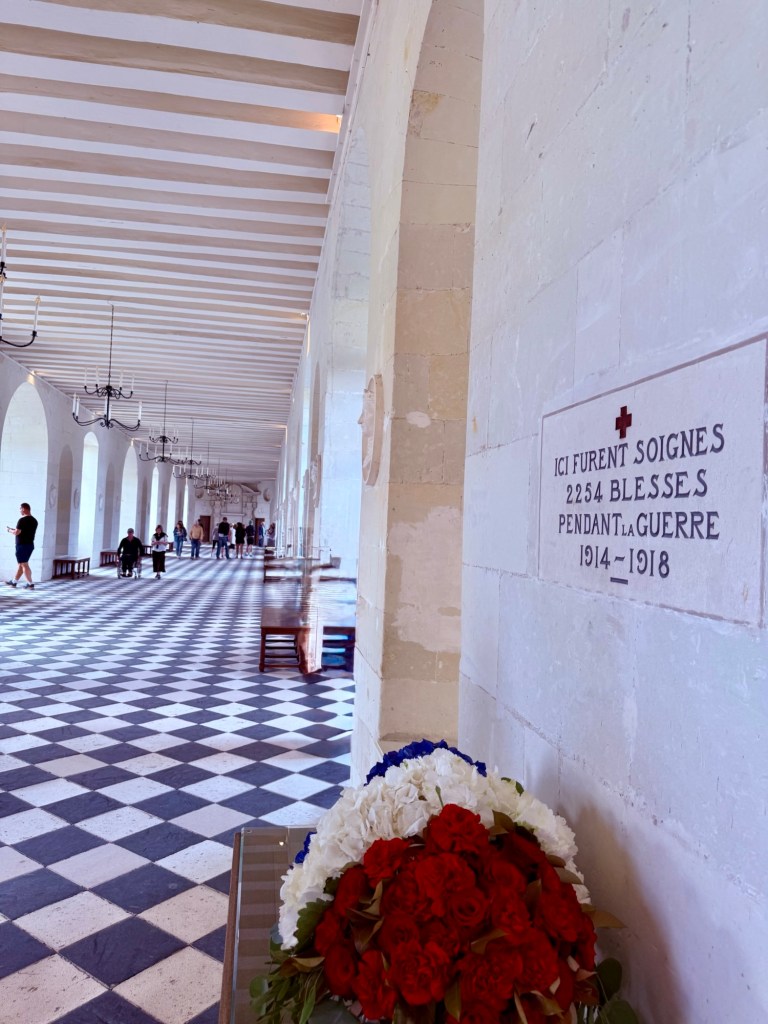
Even earlier, in 1914, the Menier family transformed Chenonceau into a fully equipped military hospital, set up in the suspended galleries. Over four years, 2,254 soldiers were treated here — many of them seriously wounded, sent to Chenonceau precisely because it was far from the front and offered better conditions for recovery. Today, a permanent exhibition recalls this extraordinary episode: photographs, documents, medical instruments, and testimonies from those who worked there. It is one of the most moving parts of the visit — proof that Chenonceau was not only “the ladies’ castle,” but also a place where lives were saved, not just celebrated.
Today, Chenonceau reflects the successive contributions of the women who built it, protected it, and reinvented it. Each era brought a transformation, and together they created a castle that has survived history without losing its charm.
Discover more from "The world is your oyster".
Subscribe to get the latest posts sent to your email.
