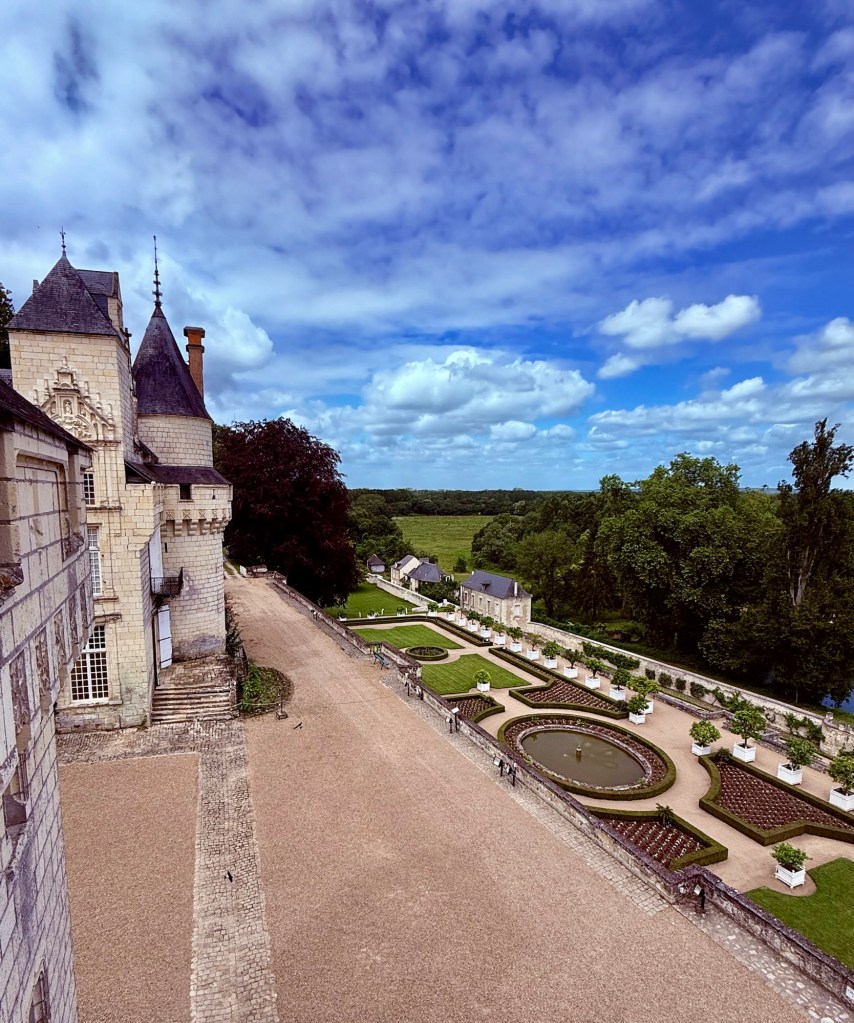
Yesterday we began our day at Château d’Ussé, a place where history and legend meet with surprising ease. Its white towers, rising gracefully above the Indre Valley, instantly reveal why the castle is associated with Sleeping Beauty. Its impeccable silhouette, with tall roofs and Gothic details, radiates a quietness that invites you to slow down and truly look.
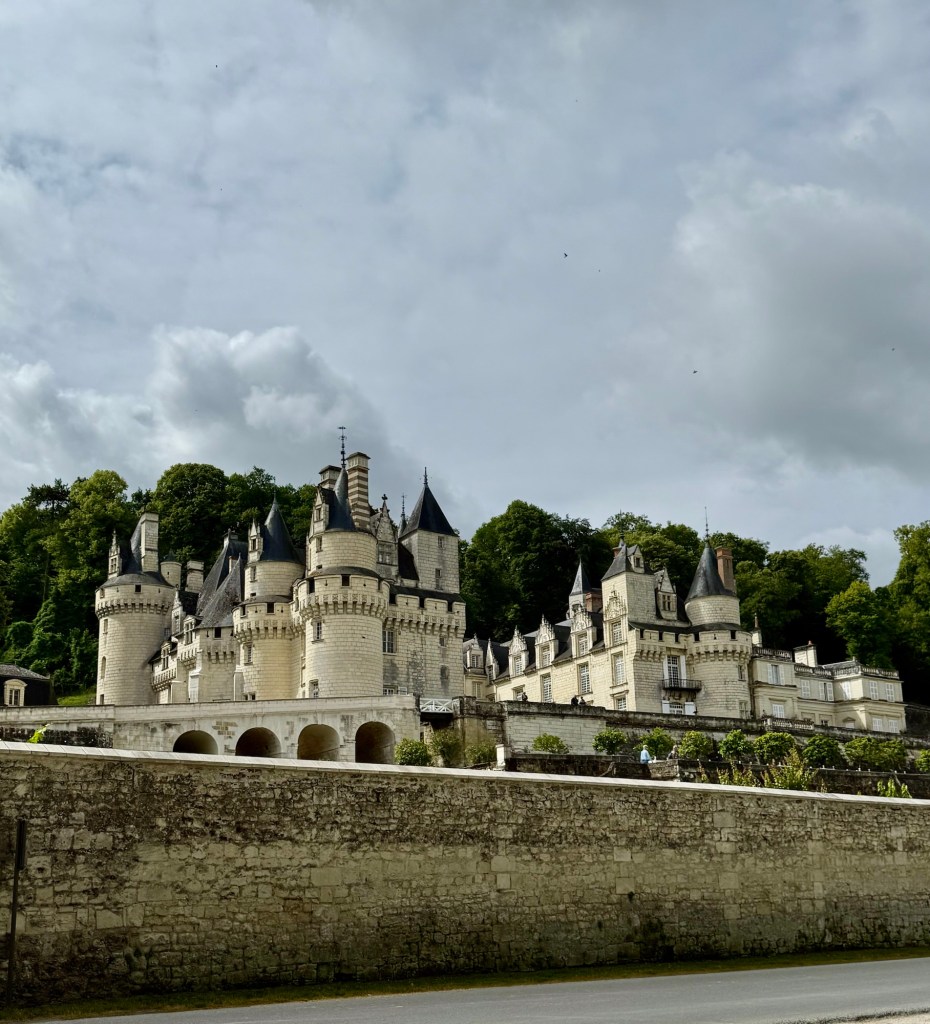
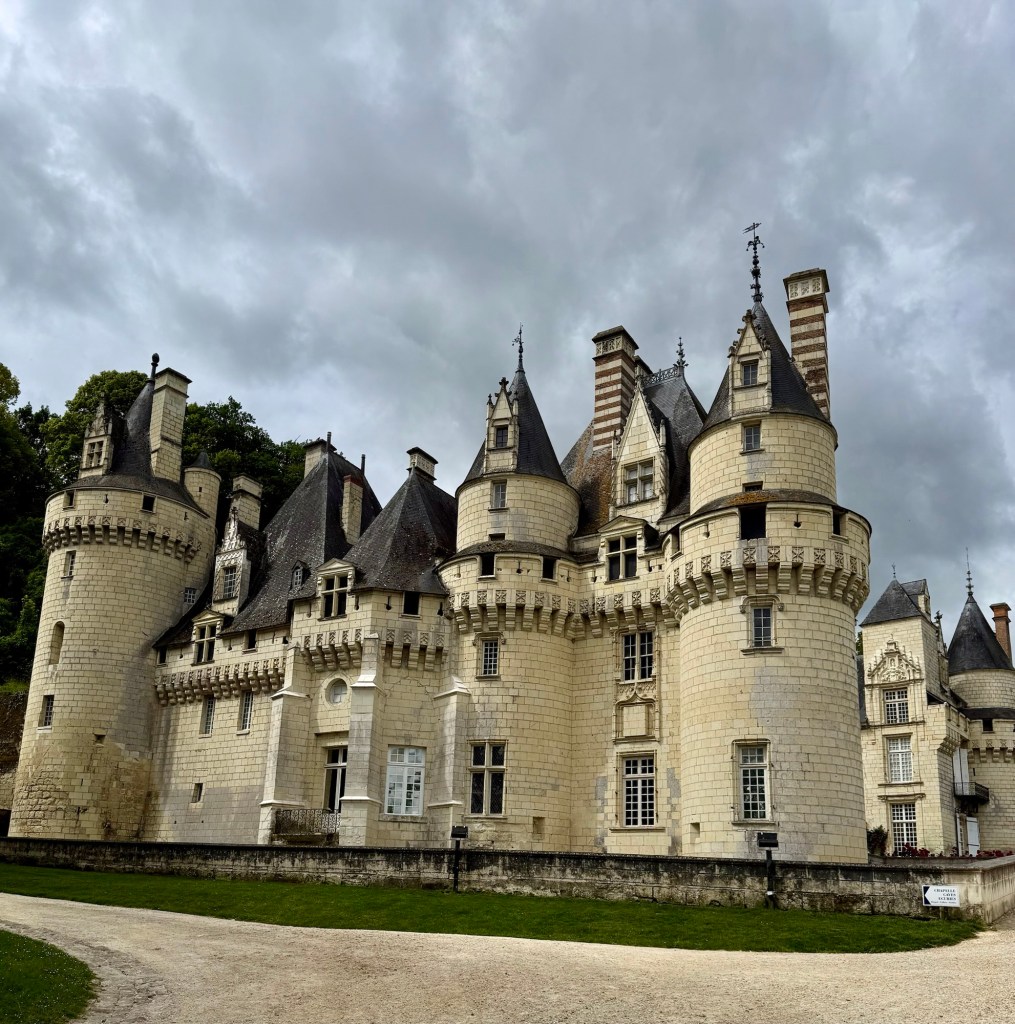
As we approached, it felt as if we were stepping into a story writing itself. The castle seems suspended between worlds: imposing enough to remind you of old medieval fortresses, yet delicate enough to understand why Charles Perrault found inspiration here for his fairytale. Every tower, every window, every shadow cast on the pale stone seems to hold a memory, a legend, a whisper from the past.
In truth, its story begins long before Perrault. In the 11th century, this was only a wooden fortress, strategically built to control the valley. Then came centuries of rebuilding, noble families, alliances, debts, wars, and architectural rebirths. Jean de Bueil, Admiral of France, transformed the site into a true castle, and the d’Espinay family added Renaissance elegance and the Gothic chapel that still takes your breath away.
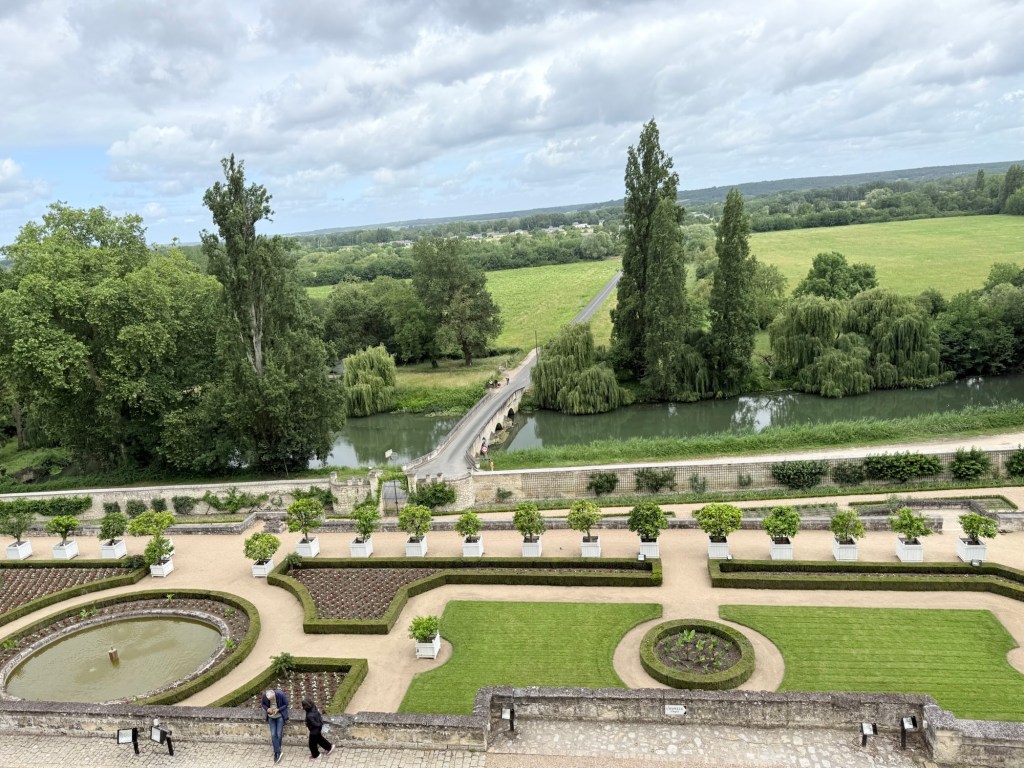
But the real charm arrives in the 17th century, when the gardens were redesigned by none other than André Le Nôtre, the same genius who shaped Versailles. His orderly, perfectly symmetrical terraces contrast beautifully with the forest behind, where legend says Perrault imagined the enchanted woods swallowing the castle.
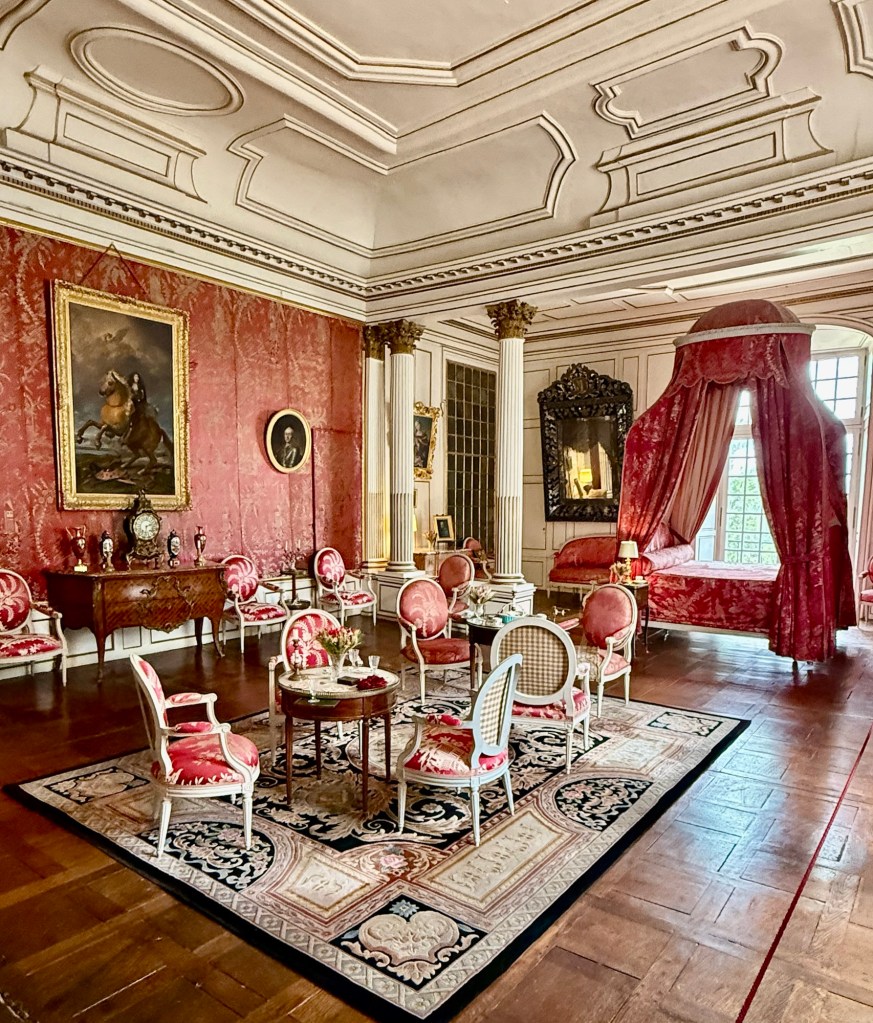
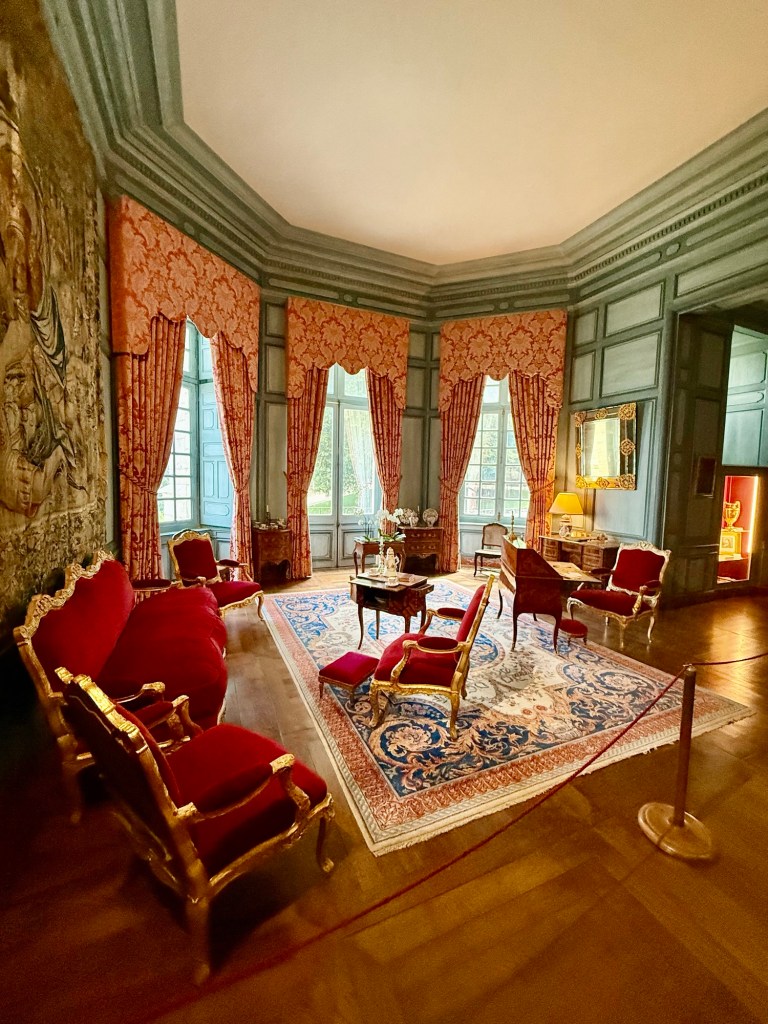
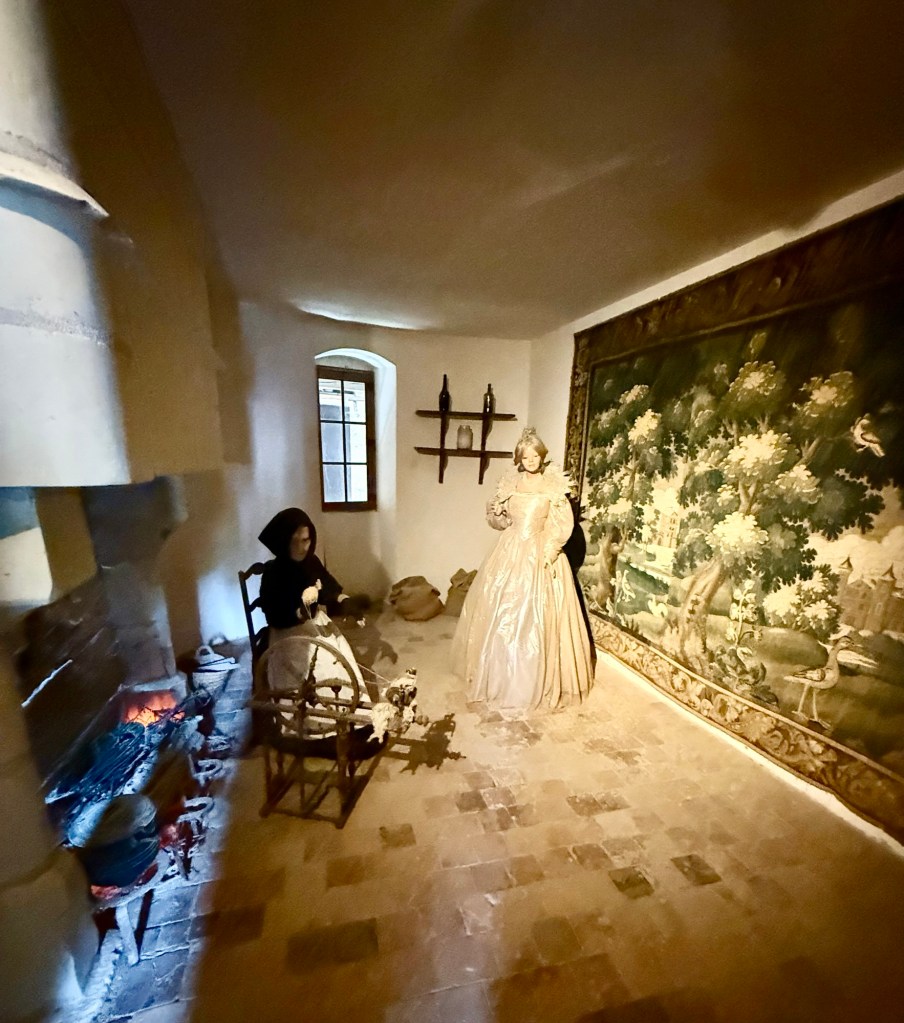
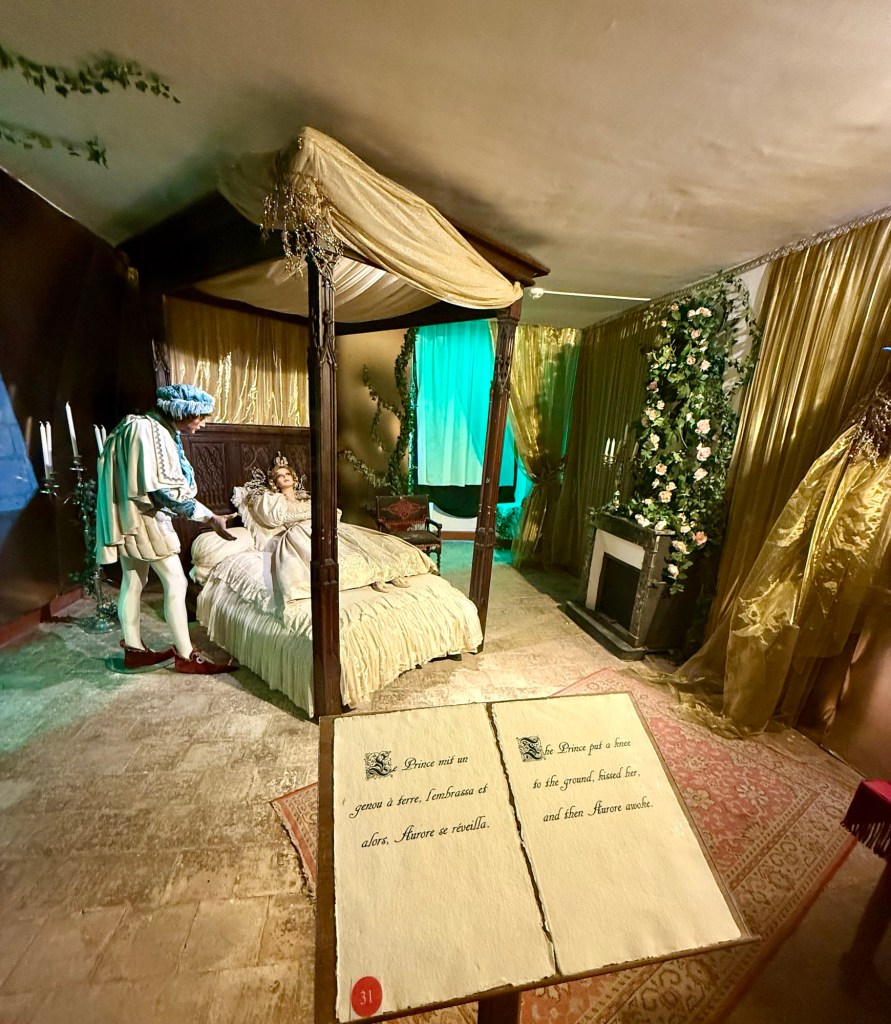
And yes, inside you’ll even find a small Sleeping Beauty scenography: the sleeping princess, the spindle, the court frozen in time. Is it kitschy? Maybe a little. But it’s the kind of kitsch that makes you smile and remember childhood.
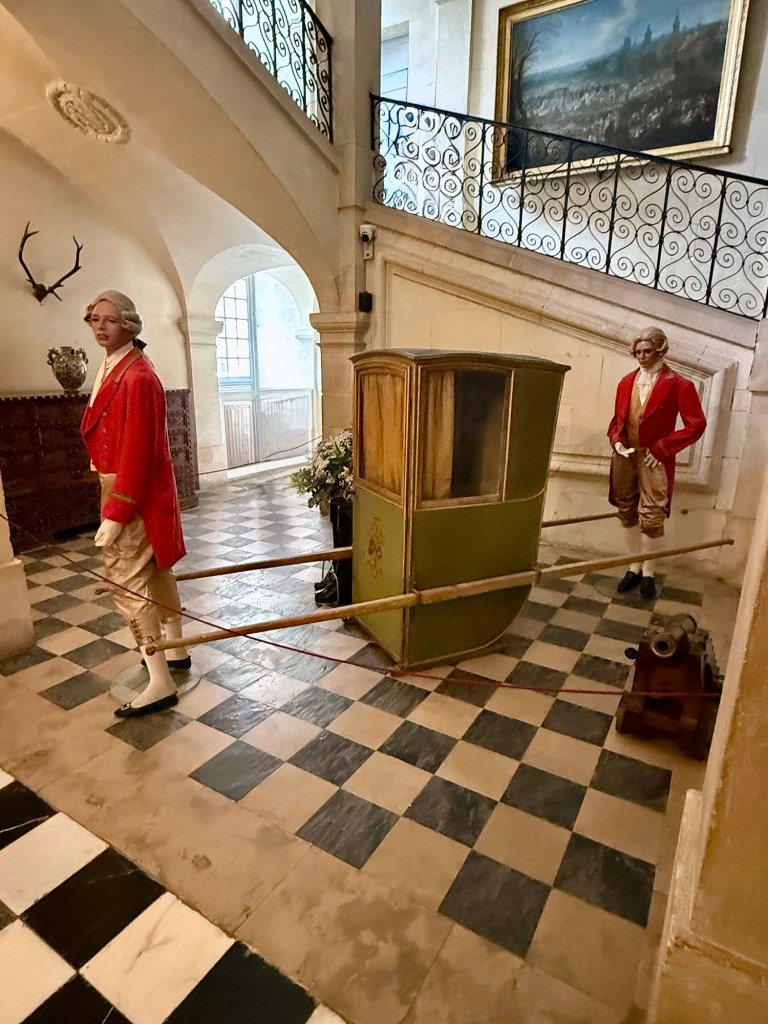
Today, the castle belongs to the Blacas family, who care for it with visible dedication. It’s one of those places where you don’t just feel history — you feel continuity, a home that has survived centuries without losing its soul.
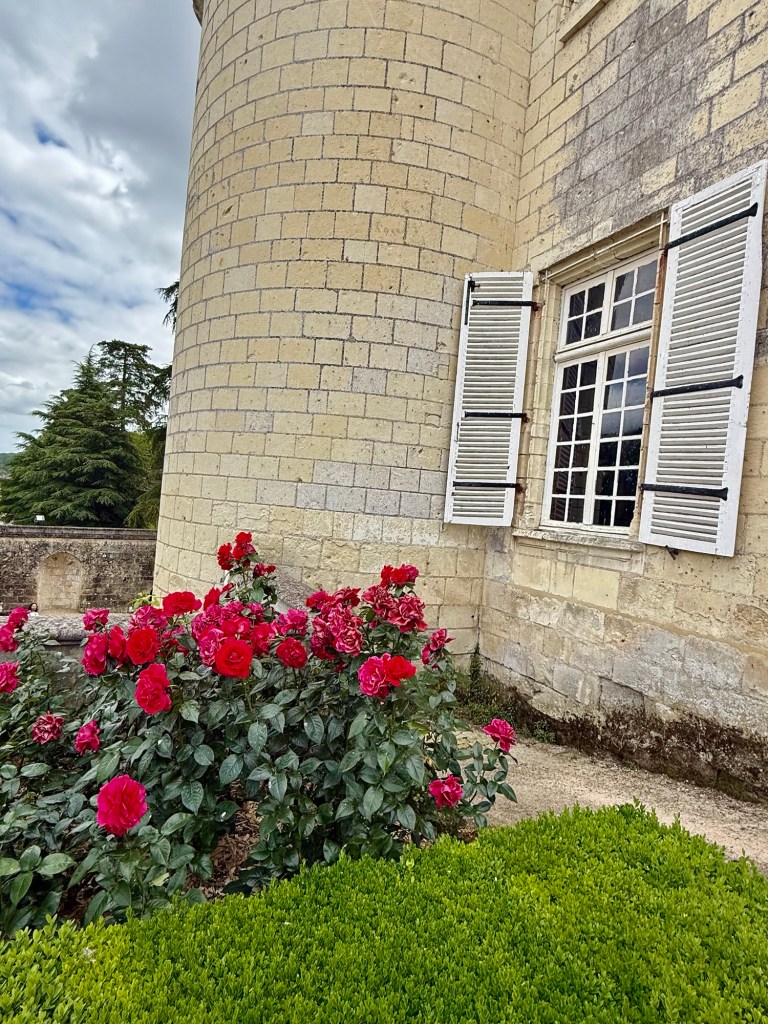
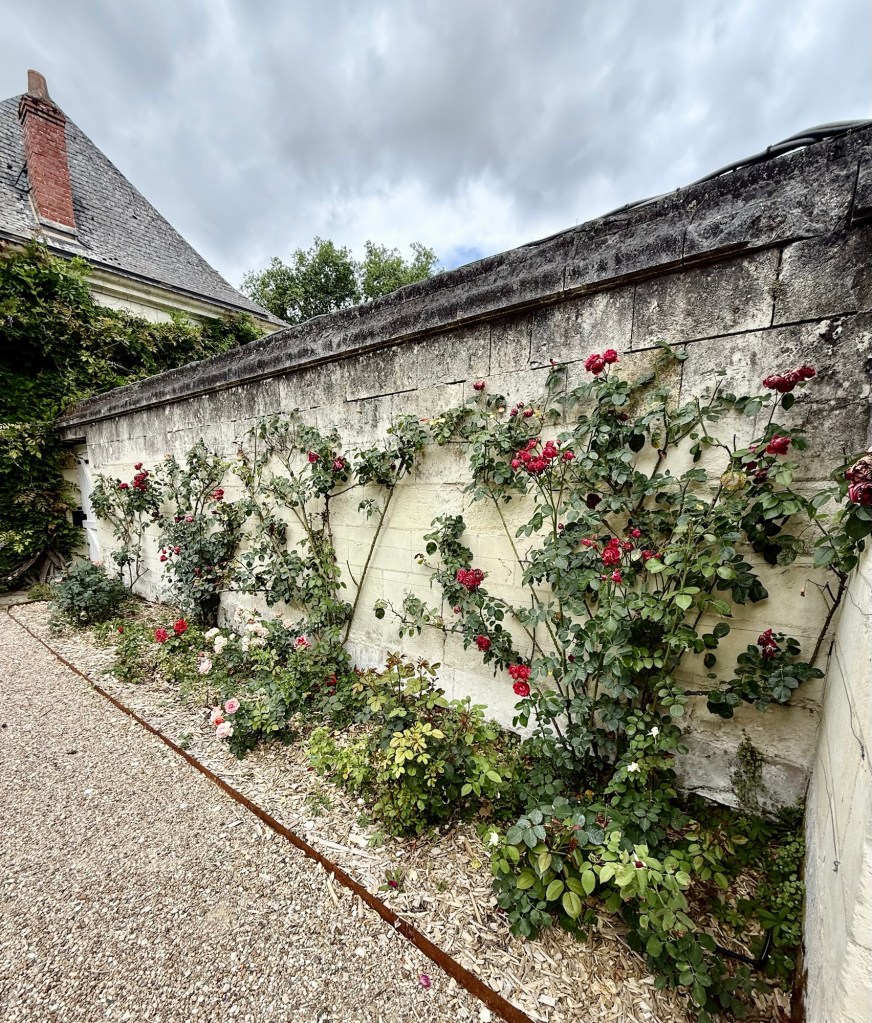
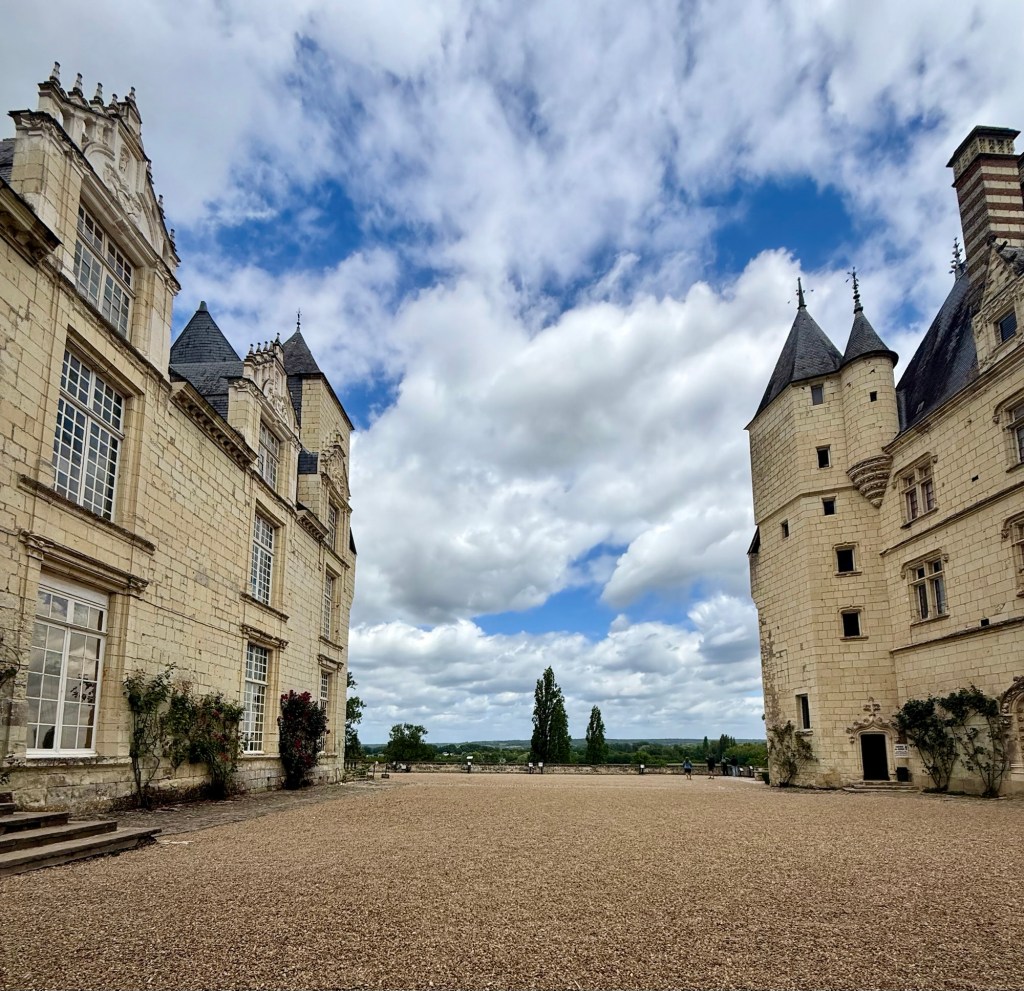
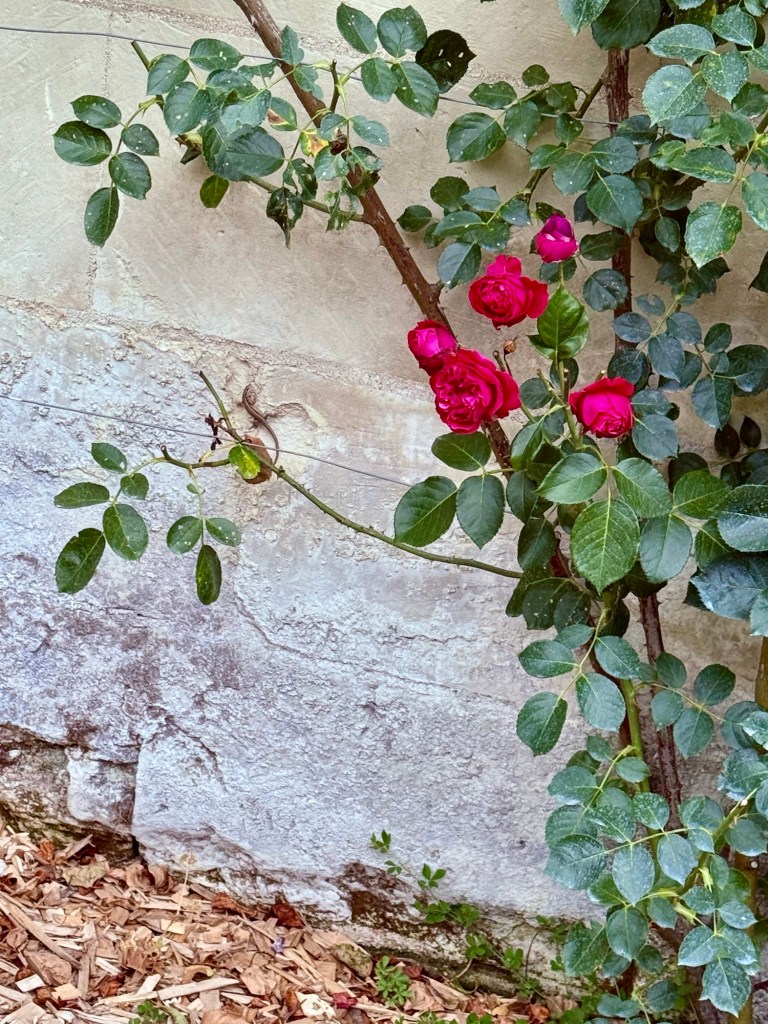
For me, Château d’Ussé was a fairytale pause in the heart of the Loire Valley. A place where time settles differently, more gently, like a chapter of a story you don’t want to finish too soon.
Château de Villandry
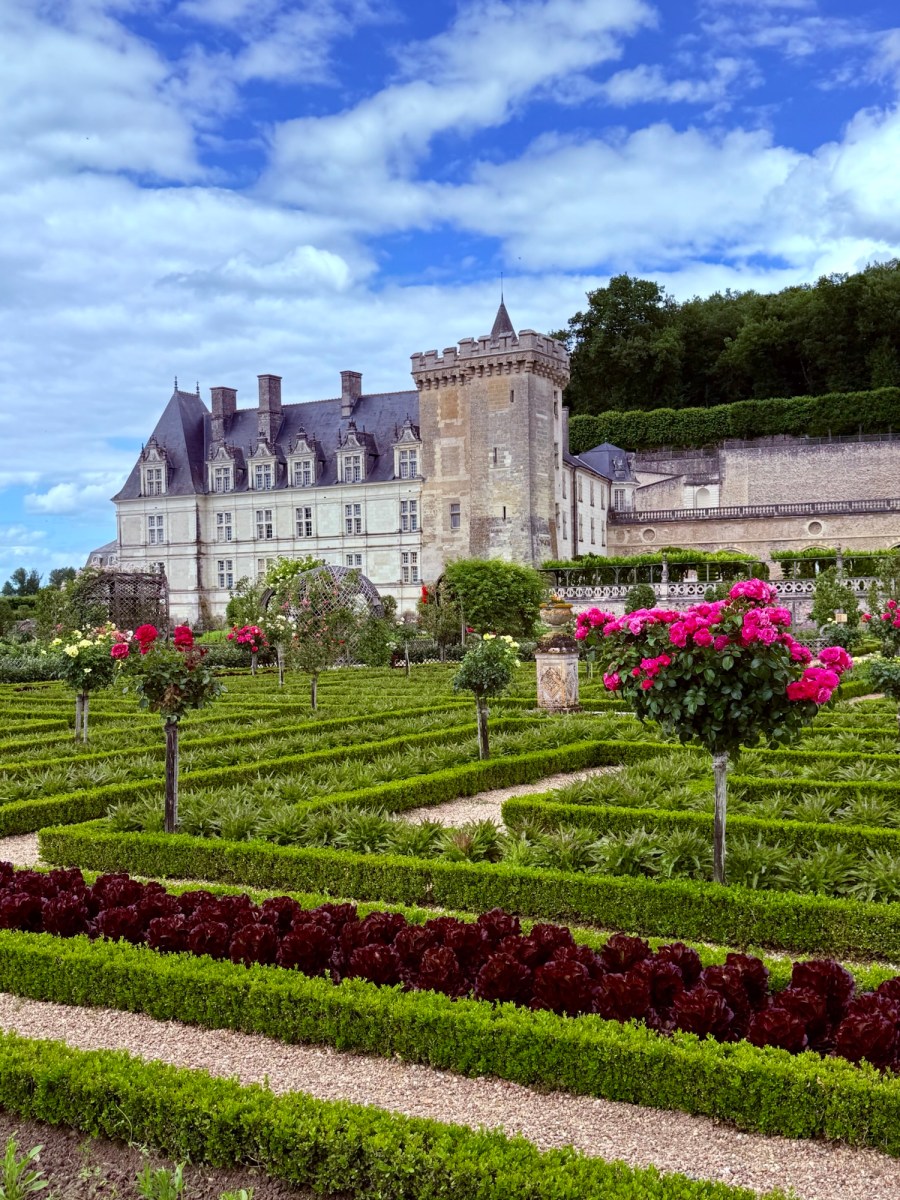
After visiting Ussé, we continued our day with another famous Loire Valley castle: Château de Villandry. The atmosphere shifts completely — from legend and fairytale to order, color, floral scents, and gardens that steal your gaze at every step.
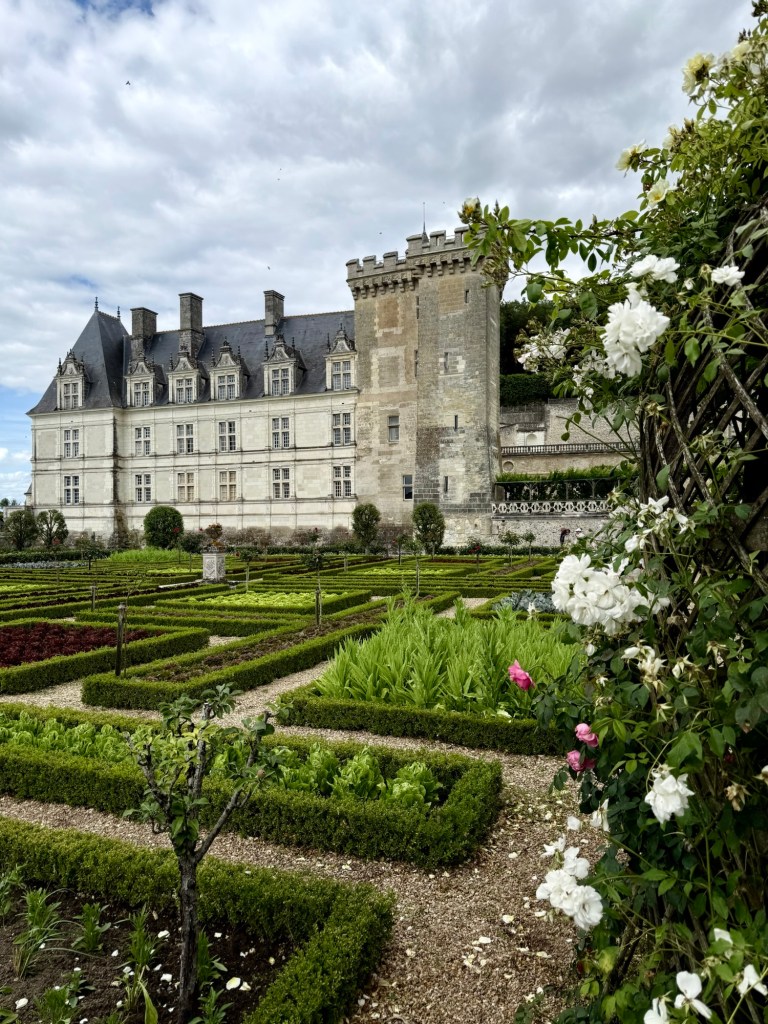
From afar, the castle has a sober Renaissance elegance, but the real magic begins when you step onto the terraces descending toward the valley. Here, history is no longer told through legends, but through lines, colors, and symmetries. The square, massive medieval keep is the only reminder of the 11th‑century fortress, now integrated into a much more delicate ensemble built in the 16th century by Jean Le Breton, minister of François I.
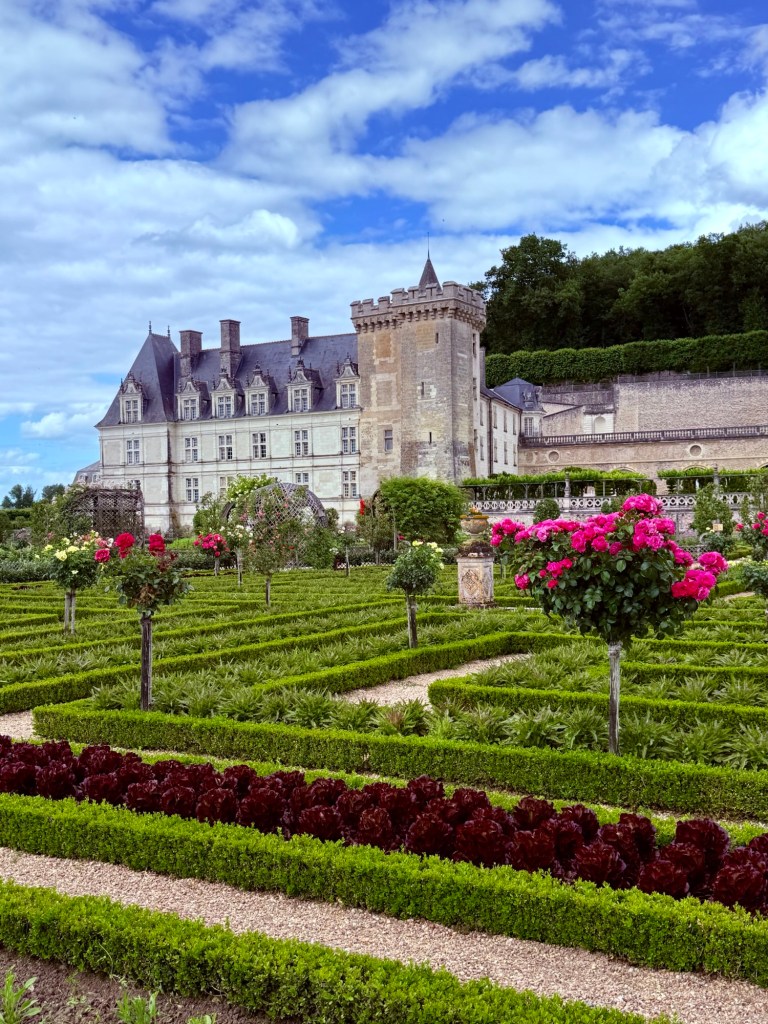
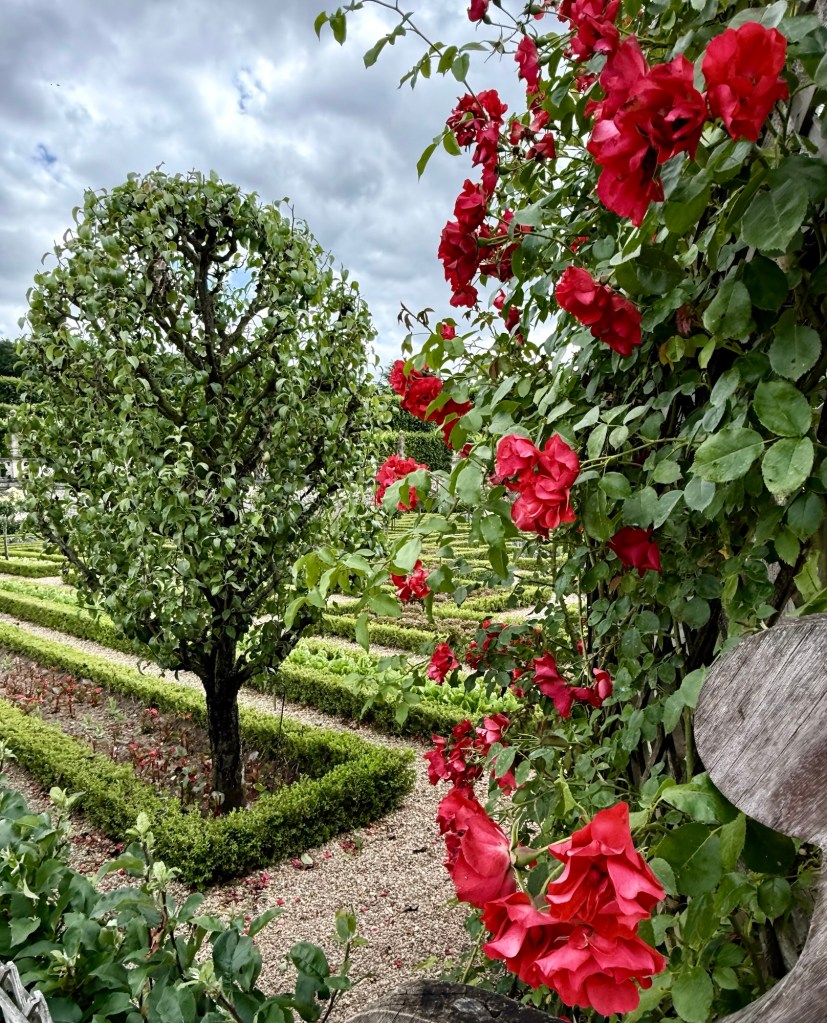
But Villandry is not a castle of walls — it is a castle of gardens. In 1906, a Spanish doctor, Joachim Carvallo, bought the estate and decided to recreate the Renaissance gardens based on centuries‑old plans. The result is a spectacle of flowers and trees drawn with almost poetic precision.
🌹 Le Jardin de l’Amour
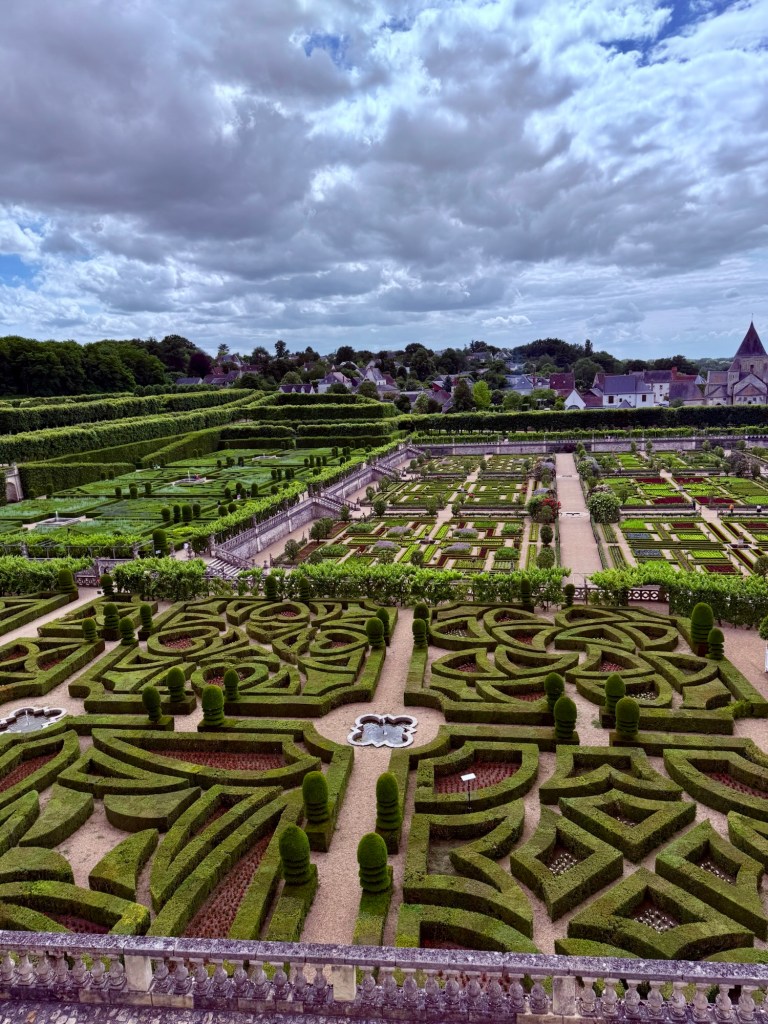
Perhaps the most famous part of the estate, divided into four “chapters,” each representing a type of love — like a Renaissance novel written in leaves:
- L’Amour Tendre (Tender Love) — rounded, delicate shapes, like the beginning of a story.
- L’Amour Passionné (Passionate Love) — dynamic lines, deep reds, symbols of pierced hearts.
- L’Amour Volage (Fickle Love) — zigzag motifs suggesting change and hesitation.
- L’Amour Tragique (Tragic Love) — sharp, dramatic shapes inspired by duels and romantic suffering.
Seen from above, these plots truly look like the pages of a love story, each with its own tone and emotion.
🥕 Le Potager
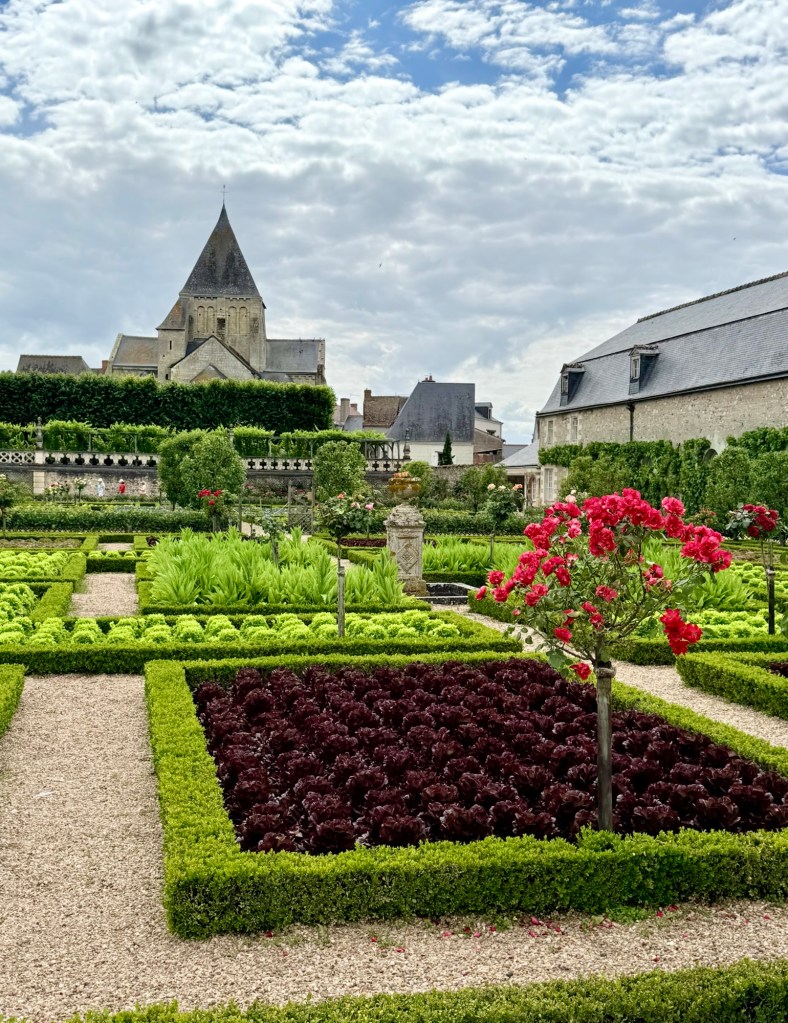
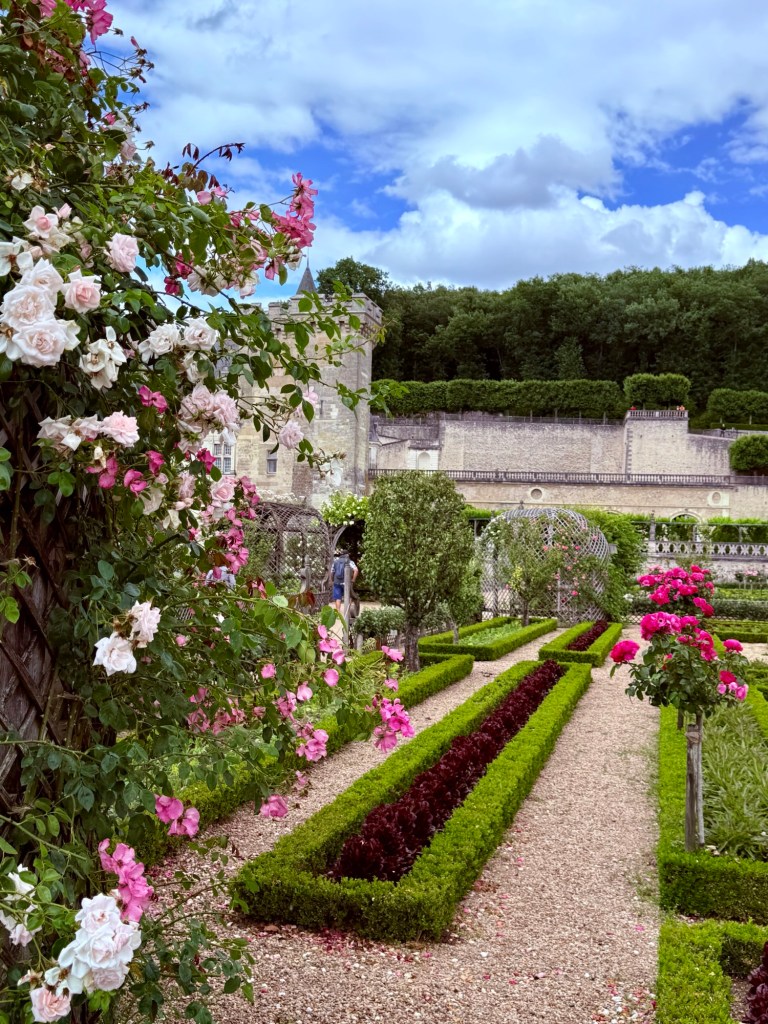
The vegetable garden is a geometric masterpiece. Not a simple potager, but a vegetal tapestry where:
- vegetables are planted in blocks of color,
- the plots are perfectly symmetrical,
- each season changes the palette,
- and the order is so impeccable it resembles delicate embroidery.
Here, cabbages, beets, and lettuces become decorative elements, part of a composition blending order and beauty in a flawless way.
🌿 Les Terrasses
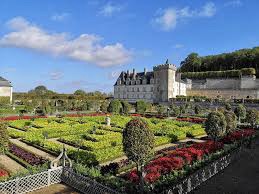
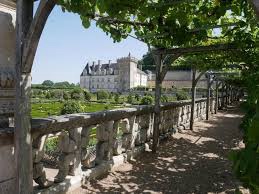
The terraces structure the entire estate, descending in steps toward the valley and opening different perspectives on each garden. The play of levels creates depth, and their succession gives the ensemble a calm visual rhythm. From here, you can see the full geometry of the place — as if looking at a map of Renaissance order.
💧 Les Fontaines
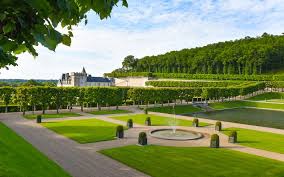
The fountains bring a refreshing quietness to the gardens, a balance that softens the strict geometry. Large basins, water mirrors, and fine jets create a visual and sonic harmony that completes the gardens perfectly.
🌳 Le Labyrinthe
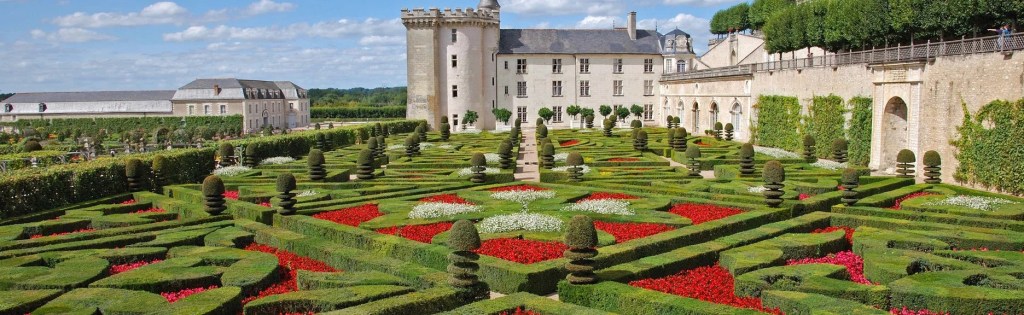
The labyrinth is where you can “get lost” in the politest way possible — a space where hedges form green corridors and paths that shift at every turn. It’s not a complicated maze, but one that invites you to explore calmly, to pause, observe, and enjoy the details.
Today, Villandry is still cared for by the Carvallo family and is part of the UNESCO World Heritage. The gardens are replanted twice a year with almost mathematical precision, and the castle remains one of the finest examples of harmony between architecture and nature in the entire Loire Valley.
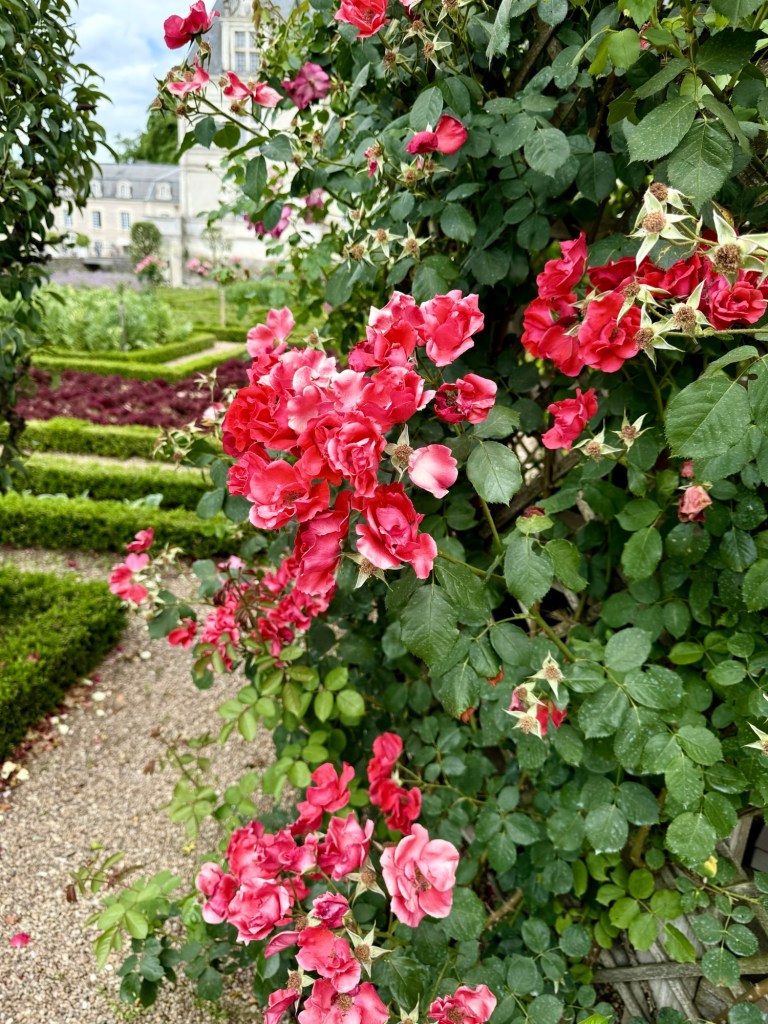
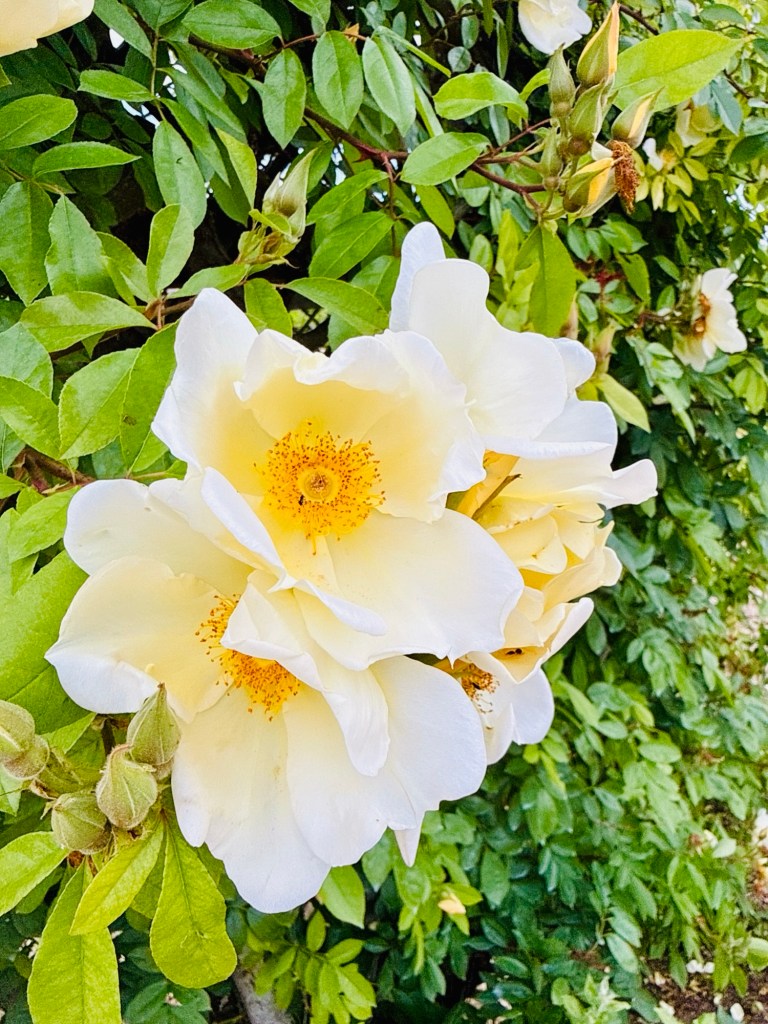
The gardens pulled me in so completely that I let go of the idea of visiting the inside of the castle without a hint of regret. I sat on a bench, wrapped in flowers and quiet greenery, and soaked in that rare kind of stillness, the kind that comes with the soft, steady hum of bees.
Discover more from "The world is your oyster".
Subscribe to get the latest posts sent to your email.
