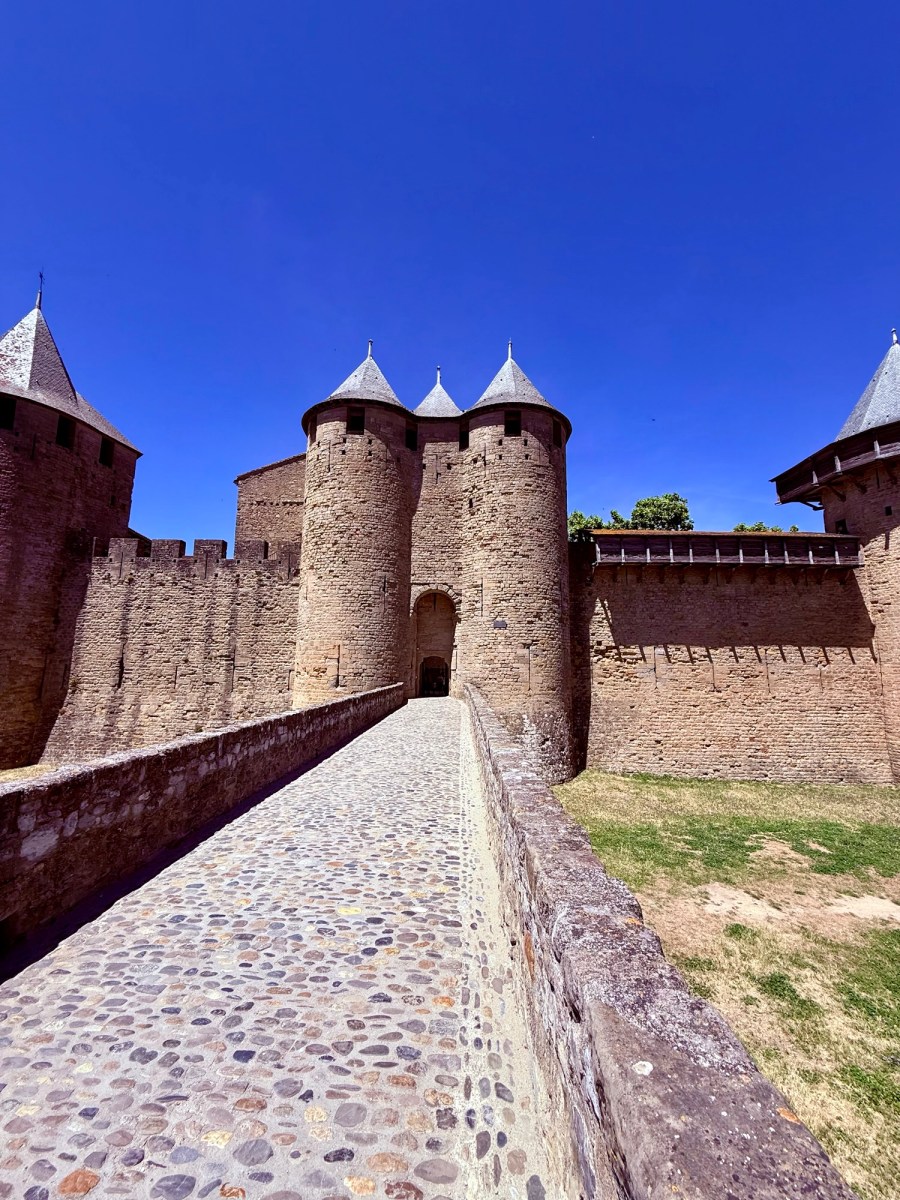
Yesterday we left the Dordogne behind and headed toward Carcassonne and its imposing fortress. But before saying goodbye to the region, George insisted — with the stubbornness of a professional tour guide — that we visit at least one of the four Lascaux caves, where prehistoric people left astonishing animal paintings on the walls.
So, said and done: we packed our bags, loaded everything into the car, and set off for Lascaux — more precisely, Lascaux II, in the forest near Montignac.
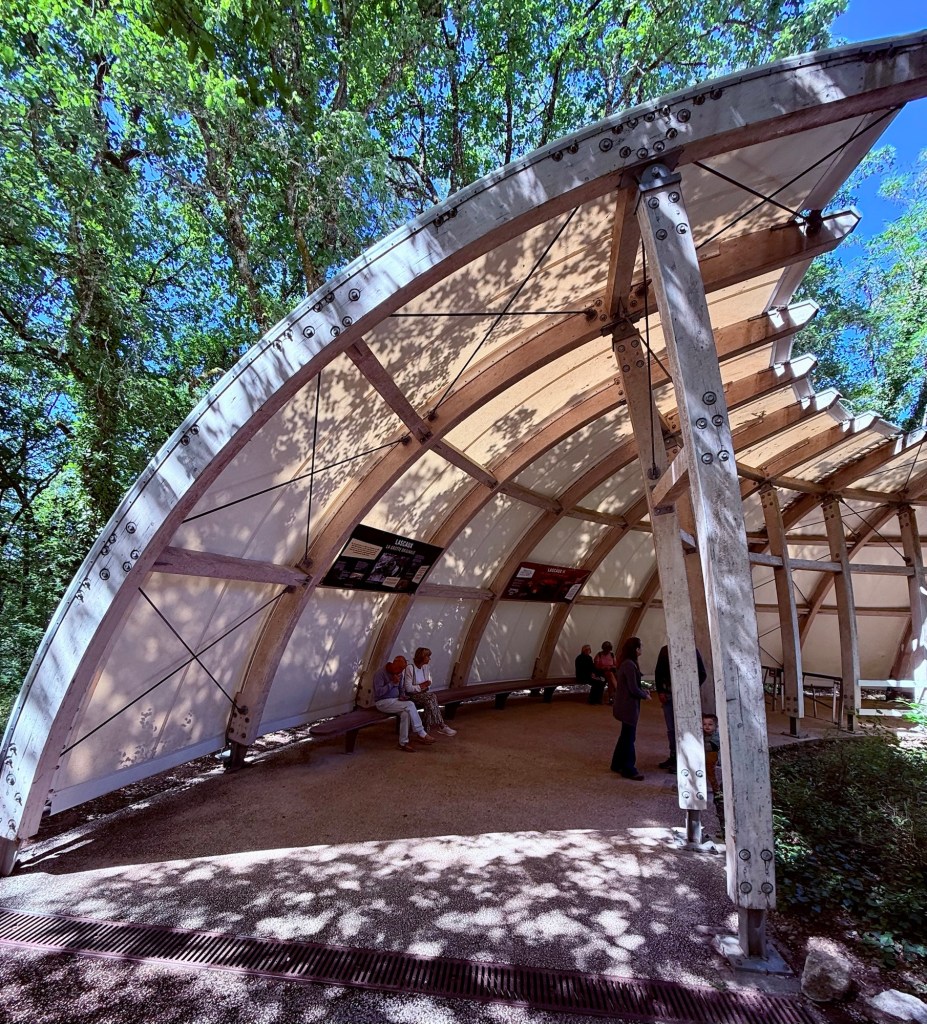
Lascaux II is the first faithful replica of one of the world’s most famous prehistoric caves. It opened in 1983, after years of meticulous work, as a response to an urgent problem: the 17,000‑year‑old paintings in the original cave were deteriorating because of visitors’ breath and body heat.
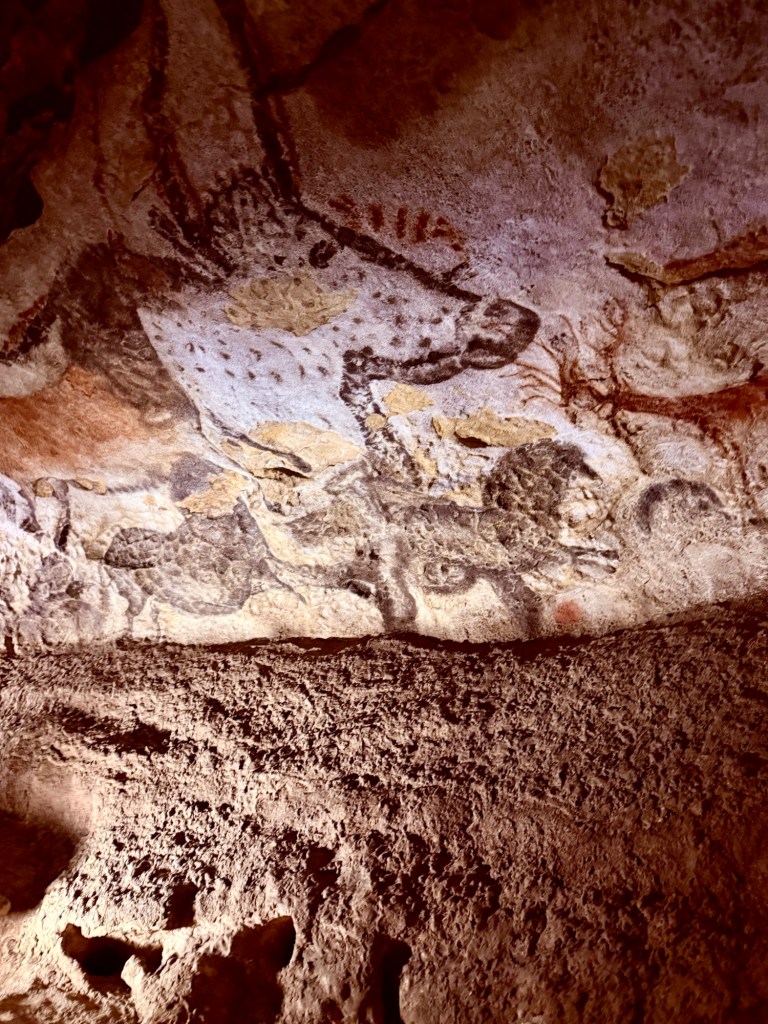
Lascaux II isn’t just a simple copy — it’s a scientific replica created with almost obsessive attention to detail. The walls were sculpted down to the millimeter to perfectly imitate the original, cracks and rough textures included. Then, artists recreated the paintings using natural pigments, mimicking the gestures of prehistoric people. The result is astonishing: you feel like you’re stepping into a living cave, not a museum.
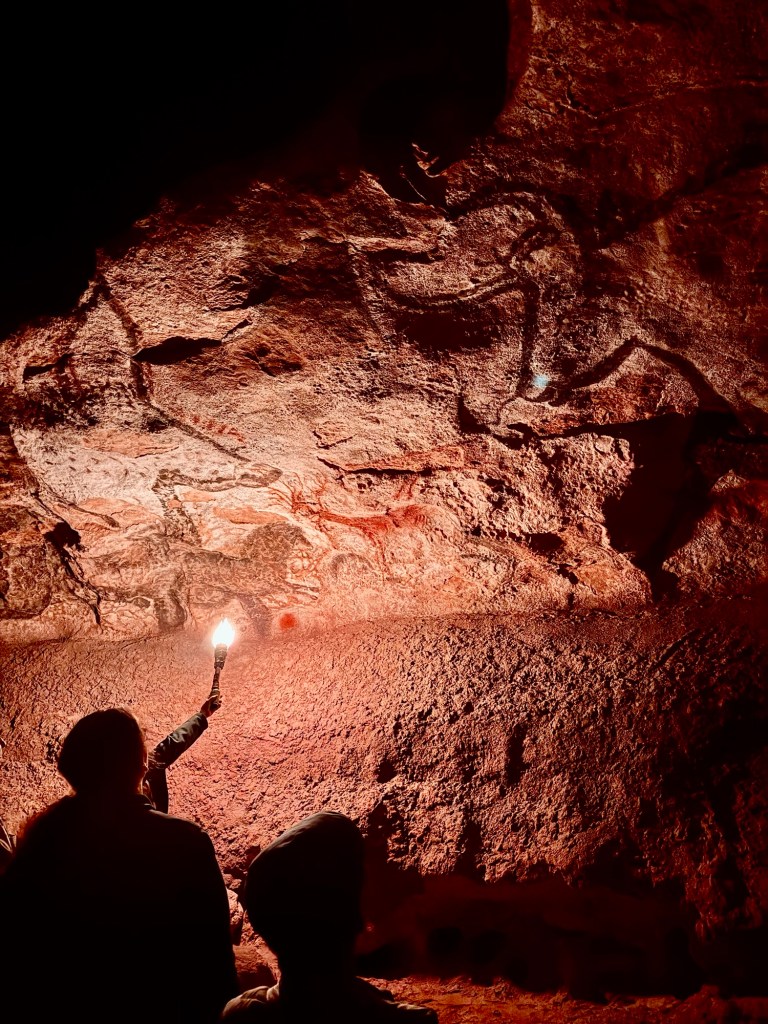
The replica includes two of the most famous chambers of the original cave: the Hall of the Bulls and the Axial Gallery. There, enormous bulls, galloping horses, elegant deer, and mysterious symbols seem to move across the walls in a spectacle of ochre, black, and red. It’s incredible how drawings made 17,000 years ago can still strike you so powerfully — naïve yet grand, primitive yet strangely modern.
The visit is designed as a small sensory adventure: constant cool air around 13°C (a sweater is definitely useful), semi‑darkness, and a guide who sometimes lights torches like in prehistoric times. For a few moments, you truly feel like you’ve traveled back in time.
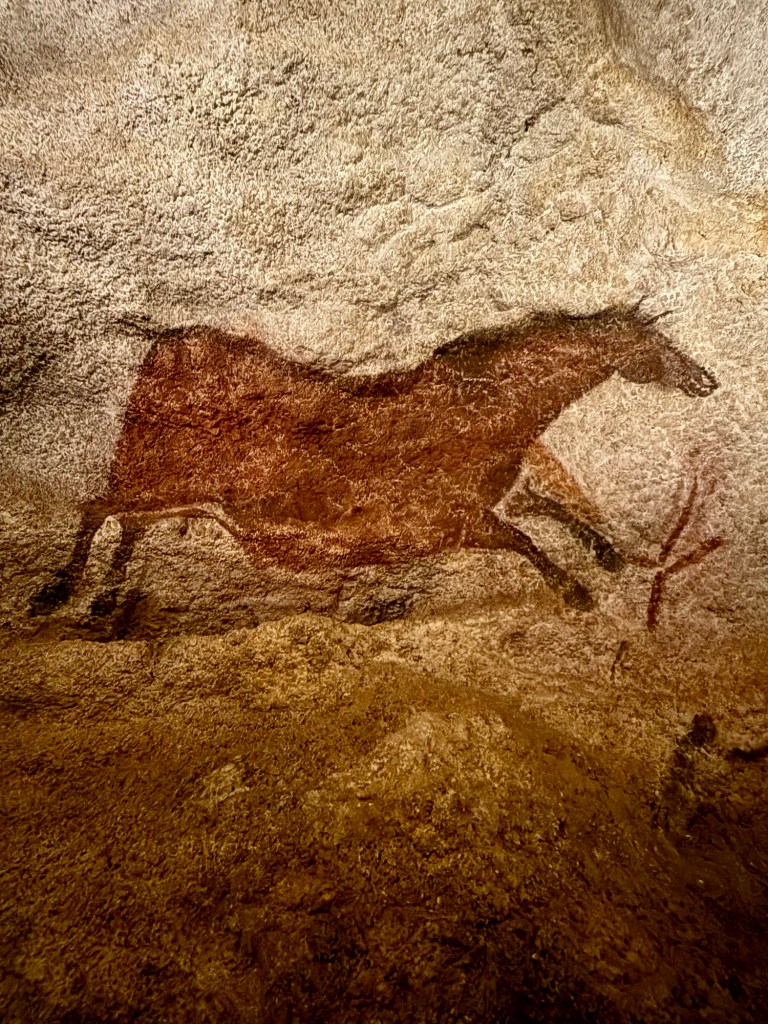
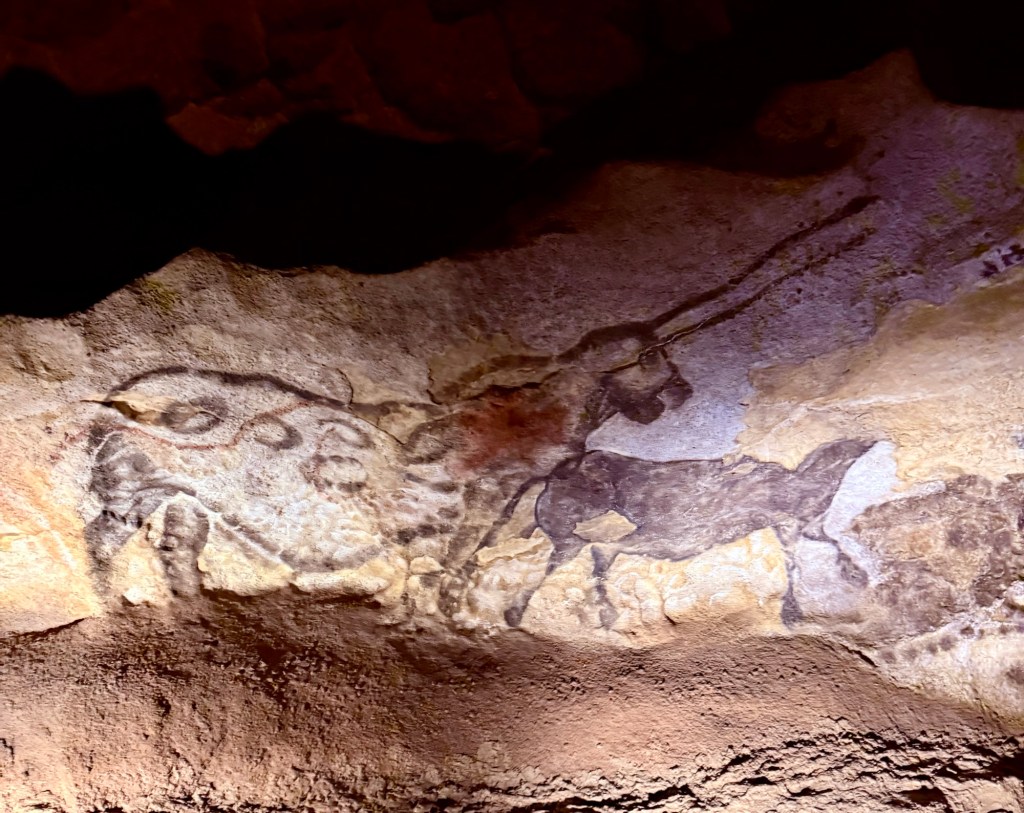
Lascaux II was a real revolution when it opened. It proved that fragile heritage can be protected without being hidden, and that science and art can work together to bring the past back to life with moving fidelity. Since then, millions of visitors have walked through this “twin cave,” inspiring similar replicas around the world.
Today, Lascaux II is an essential stop for anyone who wants to discover the charm of Paleolithic art — a bridge between two worlds, built with respect, patience, and deep admiration for humanity’s earliest artistic expressions.
Although I hesitated at first, I didn’t regret the visit at all. It was far more captivating than I expected, and the guide — a true walking encyclopedia — brought every detail to life.
🏰 The Fortress of Carcassonne
We arrived in Carcassonne yesterday, and today we explored the citadel. Honestly, I expected something more “wow,” but inside it’s rather empty. Perfect for someone passionate about medieval strategy and defensive walls — but after two weeks of nonstop castle‑hopping, I was left a little underwhelmed.
Carcassonne is a fortified medieval city in southern France, in the Occitanie region. It’s considered the largest inhabited medieval fortress in Europe and one of the best preserved.
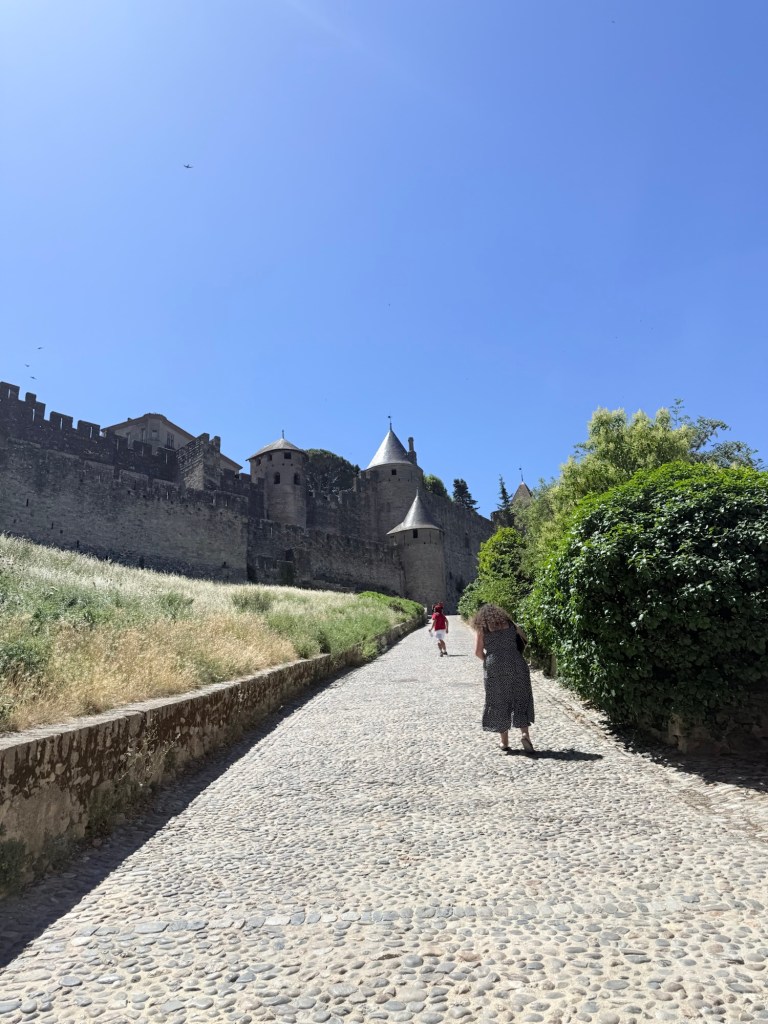
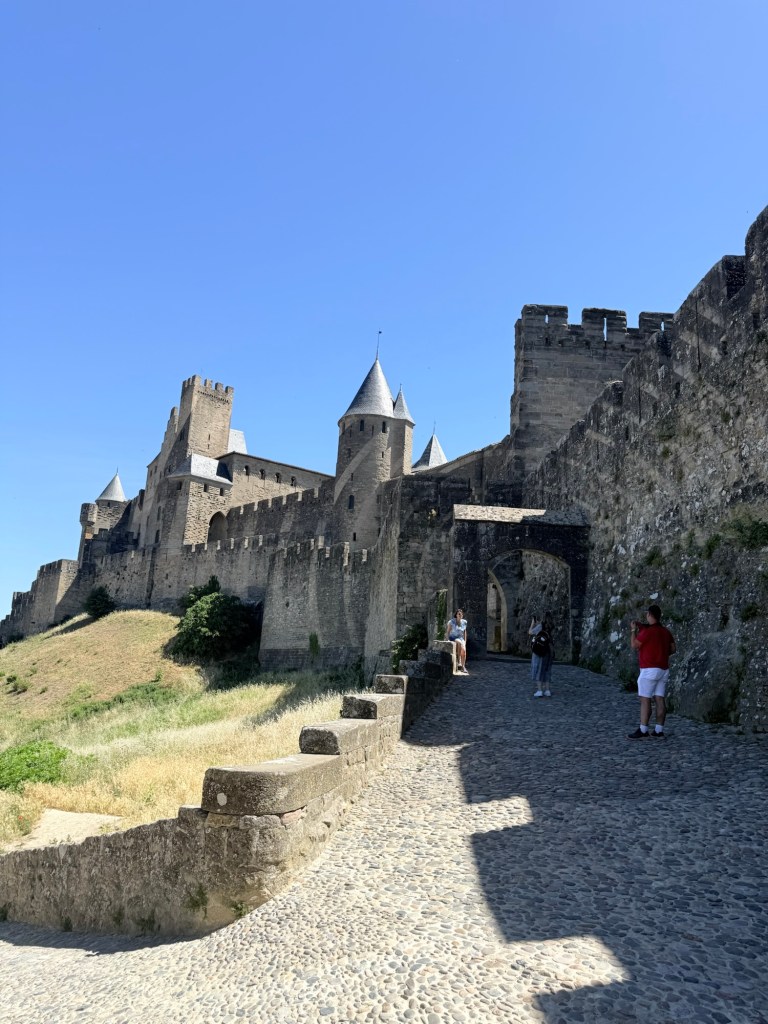
Carcassonne is actually a small medieval universe divided into two distinct worlds. On the hill stands the Cité de Carcassonne, the fortified city, with its double walls stretching nearly three kilometers, its 52 towers, massive gates, the inner castle (Château Comtal), the Basilica of Saint‑Nazaire, and a network of narrow stone‑paved streets where houses, workshops, and restaurants still carry the air of the Middle Ages. At its feet lies the Ville Basse — the lower town, built in the 13th century, with straight streets, wide squares, and authentic local life. Between the two, the outer walls, ditches, and battlements form an impressive defensive system that makes Carcassonne one of the best‑preserved medieval fortresses in Europe.
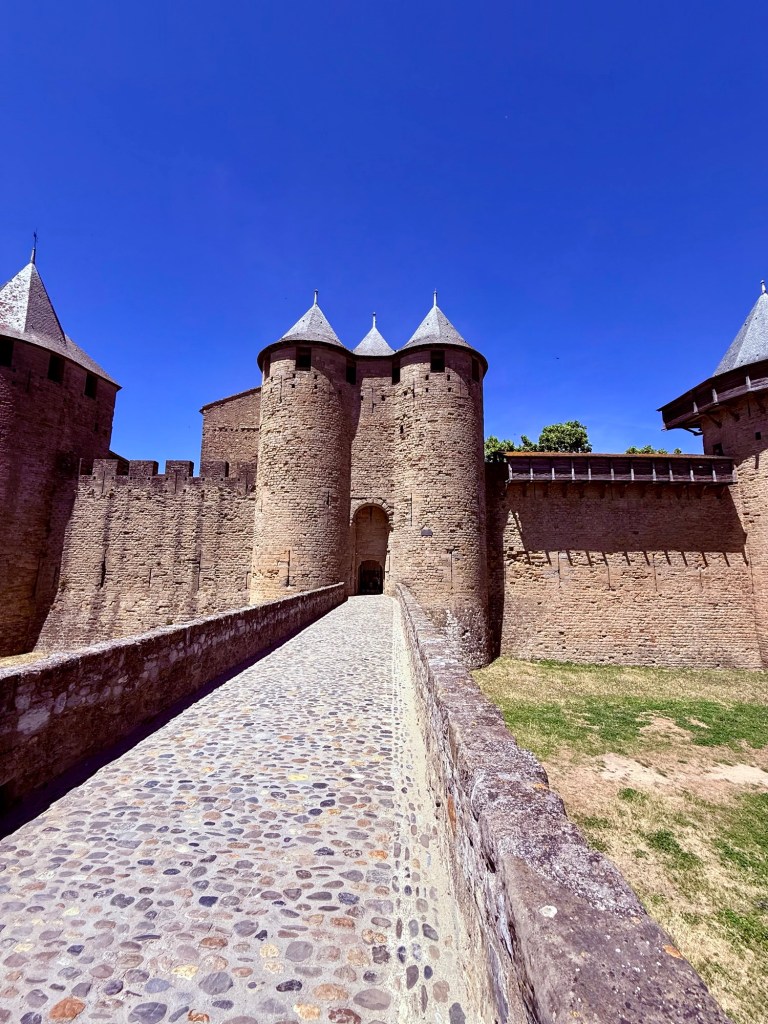
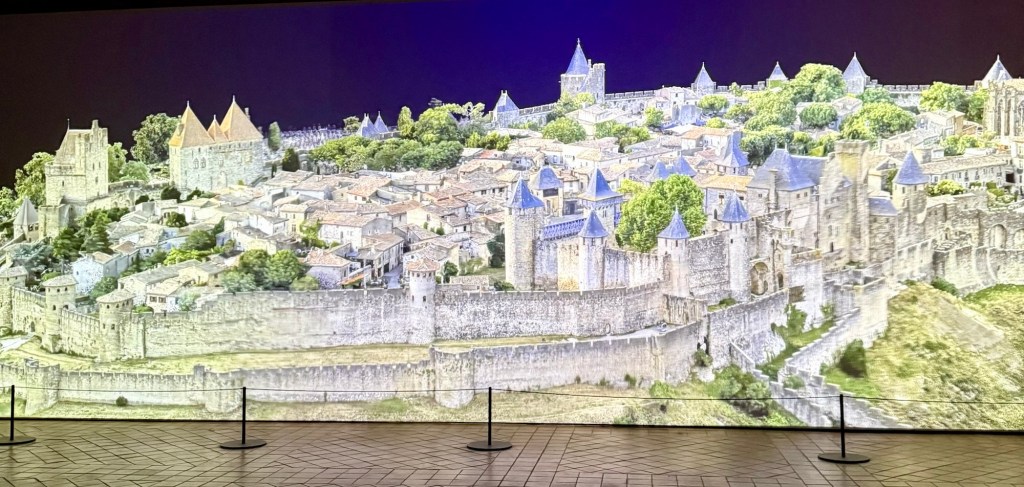
Local legends add even more life to the place: the story of Dame Carcas, the heroine who supposedly saved the city by tricking an entire army. After months of siege, she is said to have thrown over the walls the last pig, fed with the last grains, making the attackers believe the city still had plenty of food. They abandoned the siege, and she rang the bells in victory — hence the name: “Carcas… sonne!” (“Carcas… rings!”).
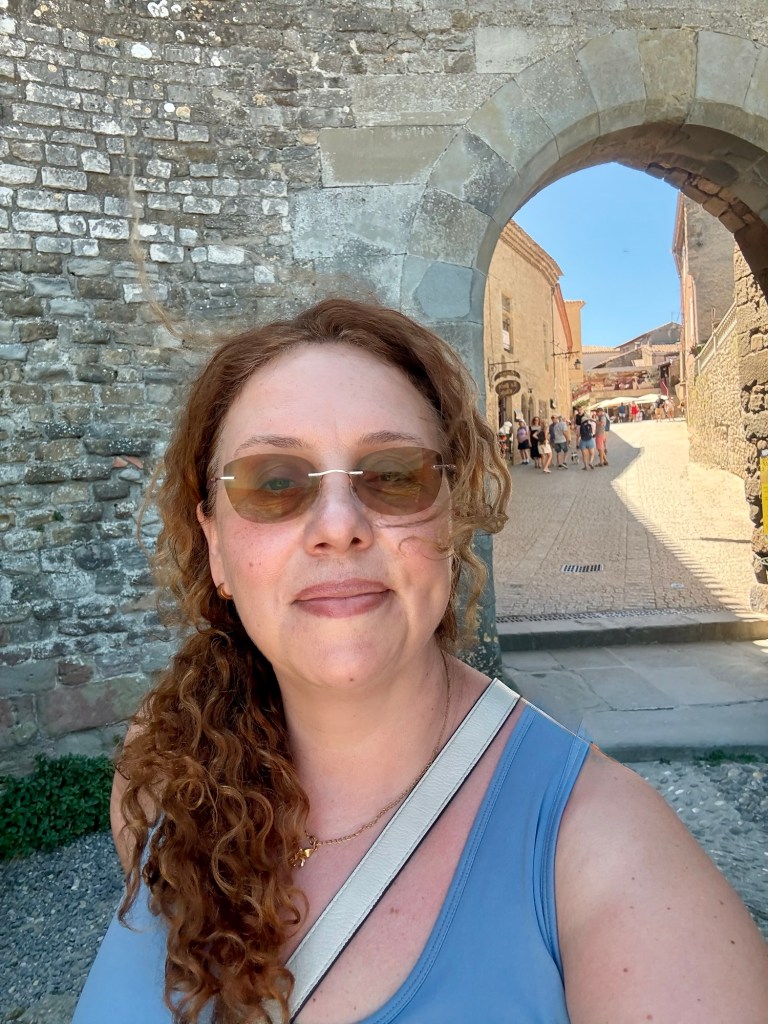
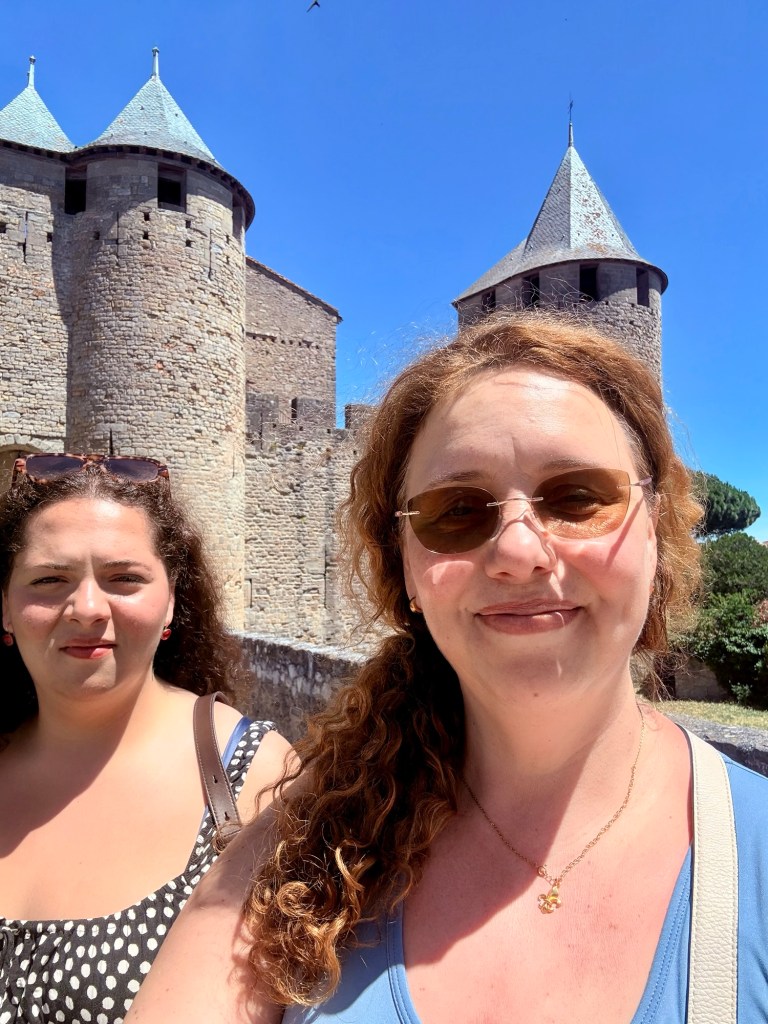
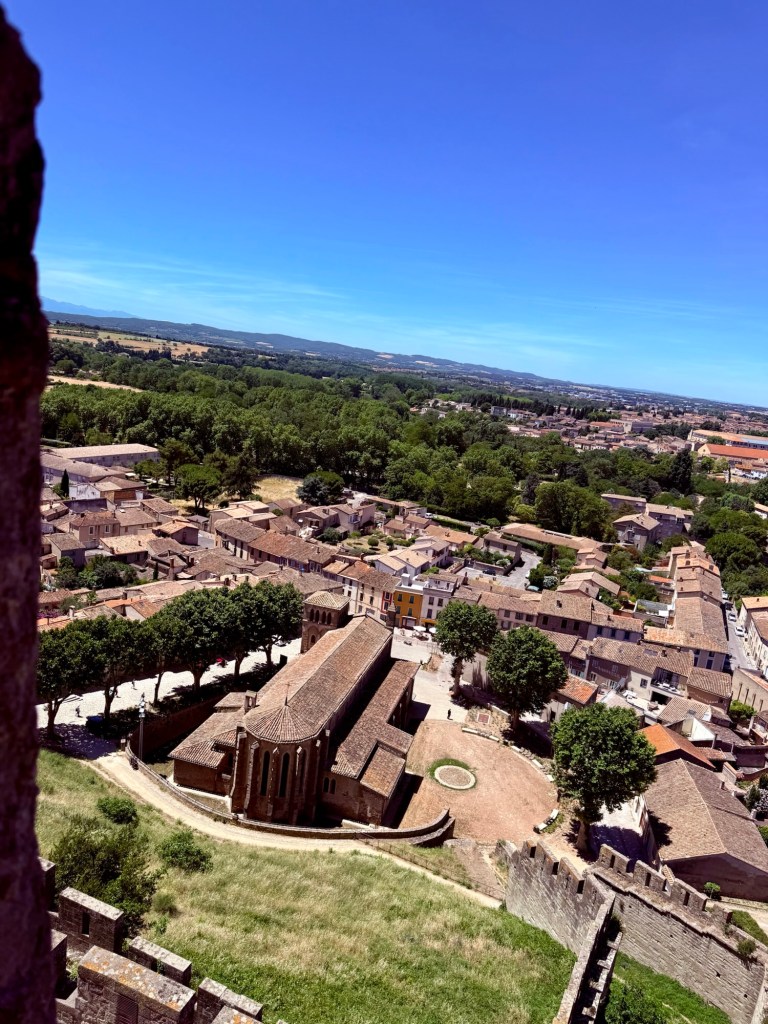
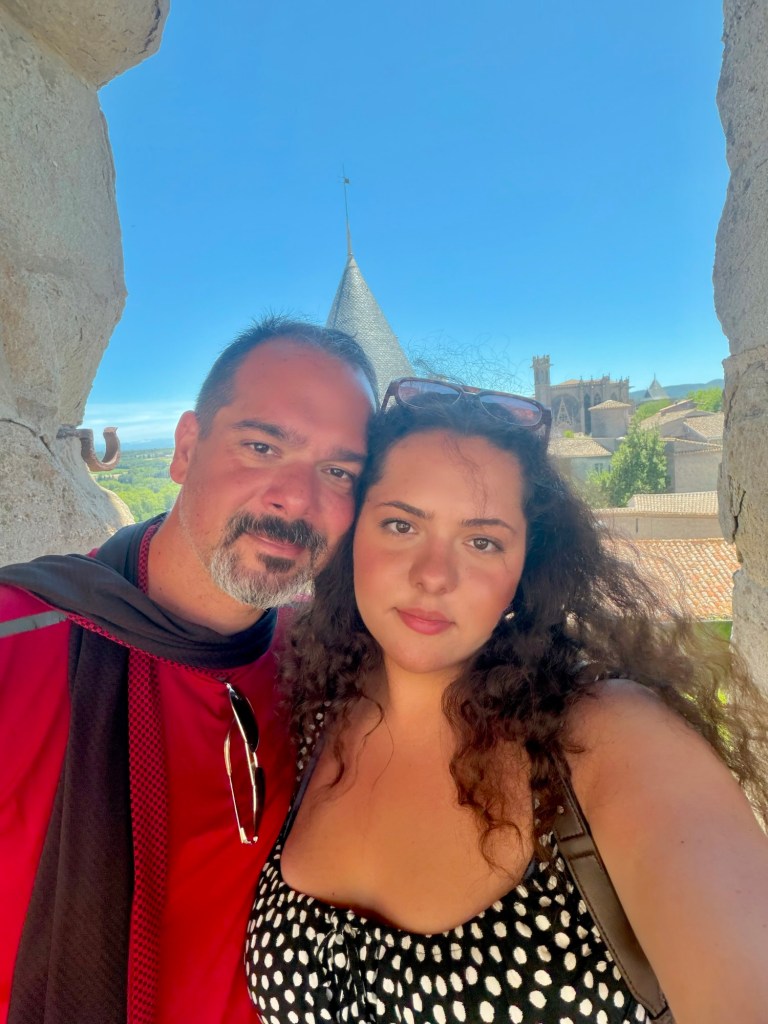
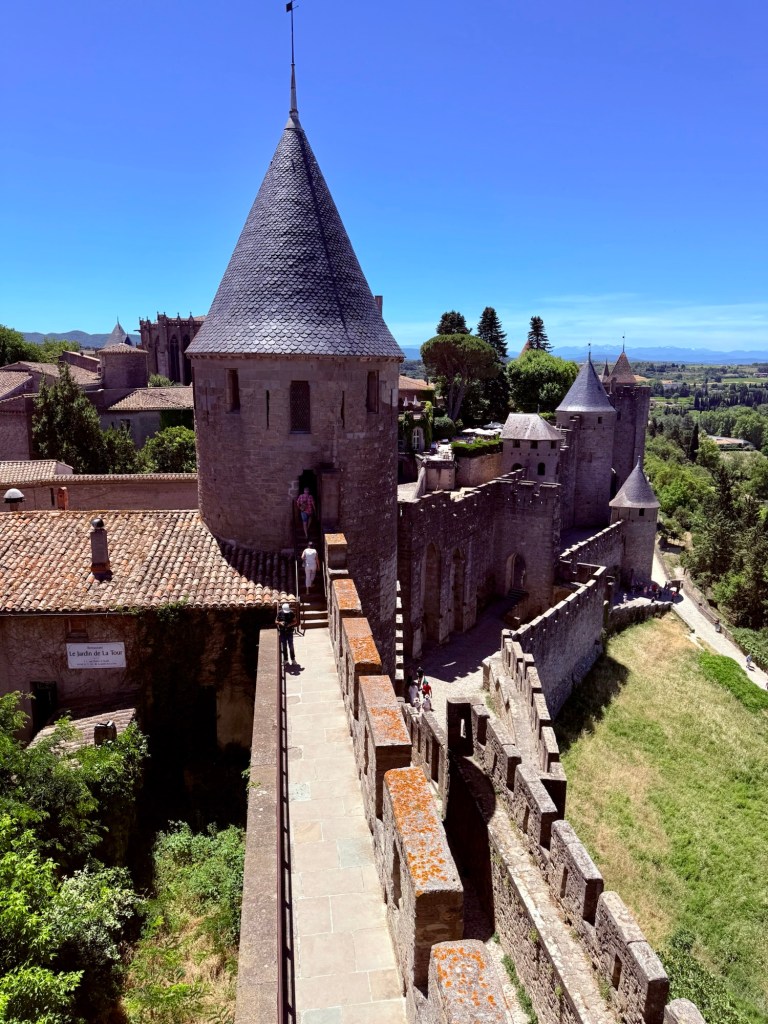
Carcassonne hides far more details than you notice on a first walk. Few people know that some of its towers aren’t medieval but Roman, built with layers of reddish bricks still visible today. One of these Roman towers was turned into the Inquisition Tower in the Middle Ages, with dark cells and conditions so harsh that documents of the time described them as “worse than hell.”
The fortress was almost demolished in the 19th century, considered useless and too deteriorated, until architect Viollet‑le‑Duc convinced the authorities to save it and began a massive restoration that lasted decades.
Its defensive system is unique in Europe: two concentric walls, nearly 3 km of fortifications, and 52 towers — a true medieval war machine.
Even more fascinating is the legend of the White Lady, the spirit of a woman said to haunt the walls on quiet nights. Some say she was a noblewoman who died tragically, others a prisoner of the Inquisition who never found peace. She supposedly appears as a white silhouette gliding along the ramparts or near the Roman towers, where the light breaks strangely on the stone. Locals speak of soft footsteps, the rustle of a dress, or a shadow that vanishes when you approach. And to all this are added old tales of a dragon that once haunted the area — completing the gallery of myths that make Carcassonne a place where history and the supernatural seem to coexist.
In conclusion, Carcassonne isn’t just a beautiful citadel — it’s a living open‑air museum, where every stone has a story, and some — if you believe the locals — even have a spirit of their own.
Discover more from "The world is your oyster".
Subscribe to get the latest posts sent to your email.

I’ve never been to Lascaux, so I haven’t seen the cave drawings. Something to add to my bucket list. (I’m old, so I better get going.)
I was in Carcassonne for a few days once a decade ago. It was overrun with tourists (which is a somewhat ironic thing for me, a tourist, to say), but I nevertheless loved the character of the hill town. And the newer part below is also charming. I need to get back.
Thanks for the post.
LikeLiked by 2 people
Thank you so much. ☺️
Lascaux is absolutely worth adding to your list — it’s one of those places that stays with you long after the visit. And yes, Carcassonne can get crowded, but the charm of the old hilltop town still shines through.
I hope you get the chance to return; it’s one of those places that feels different every time.
LikeLiked by 1 person