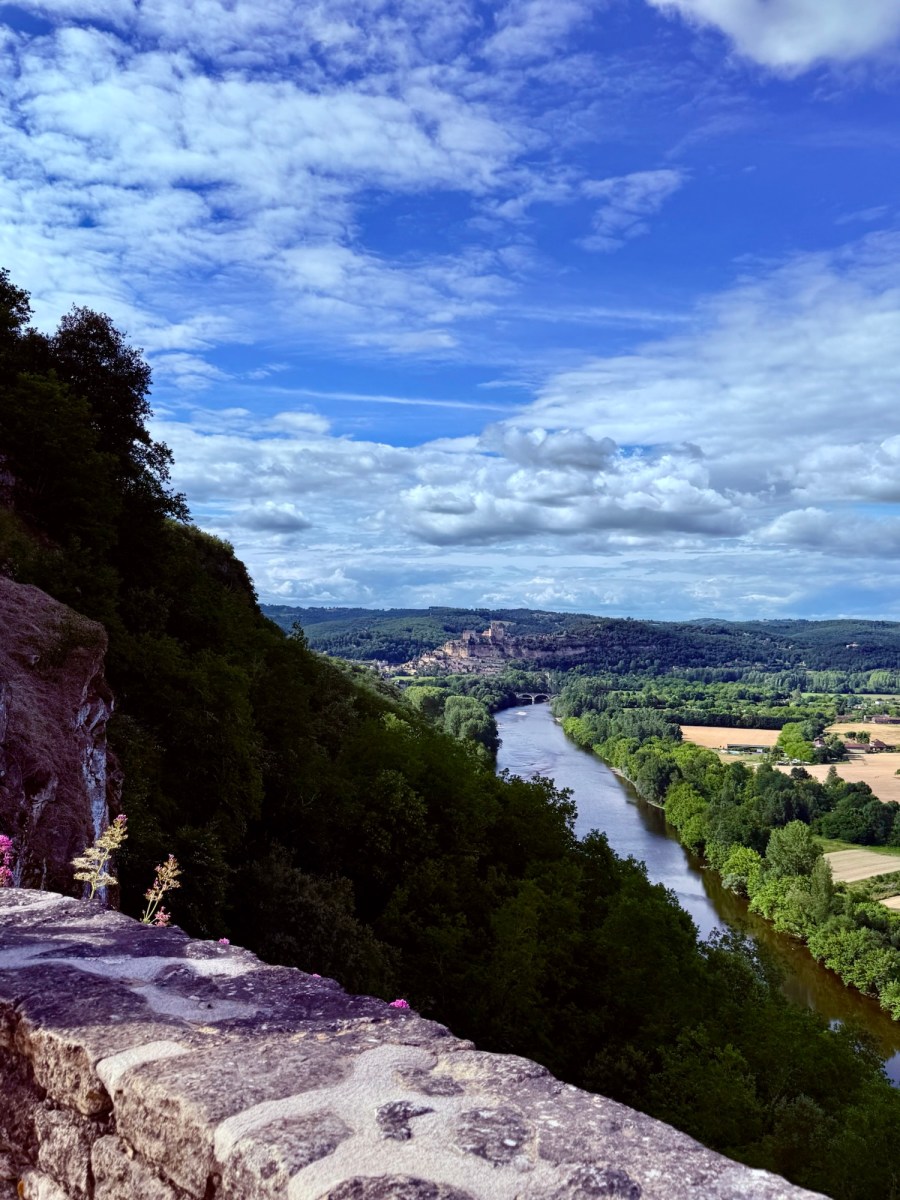
Ever since I arrived in Dordogne, I’ve seen a whole parade of castles and tasted everything the local gastronomy has to offer: foie gras, all sorts of delicacies, and of course the famous Pommes de terre Sarladaises, which have officially become my new weakness. Honestly, I don’t understand how it’s possible to eat this well in this country. Until now, Romania was the undefeated champion of “good food everywhere — in any village, commune, or forgotten corner of the map.” Well… France has just caught up. And I’m not sure whether to celebrate or worry about my silhouette. Anyway, let me not digress…
🛡️ Beynac Castle: A Silent Witness to Wars and Centuries Past
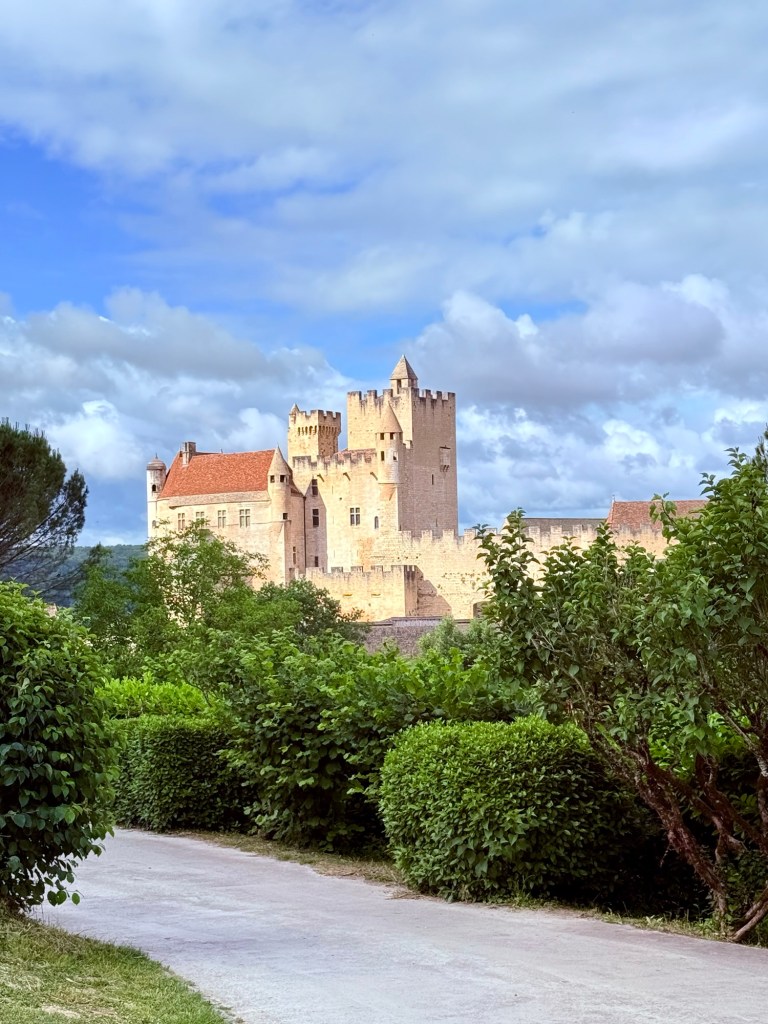
Beynac Castle was built in the 12th century by the barons of Beynac. Its location was anything but random: the steep cliff rising 150 meters above the Dordogne River turned it into a fortress almost impossible to conquer. Nature itself served as its defensive wall.
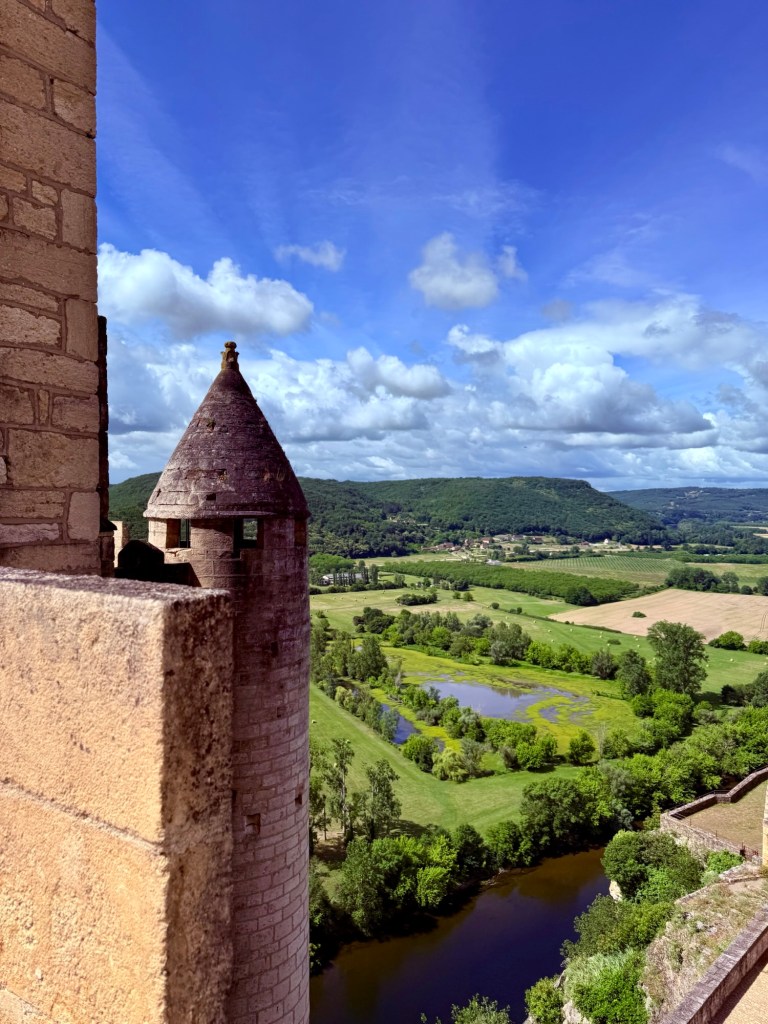
As I was saying, in the 12th century the Beynac barons raised here a strategic stronghold with a perfect view over the valley. And what a view. It has watched knights galloping, armies marching, smoke rising from battles, and flags changing hands. It observed the Hundred Years’ War from above, with the cold patience of stone.
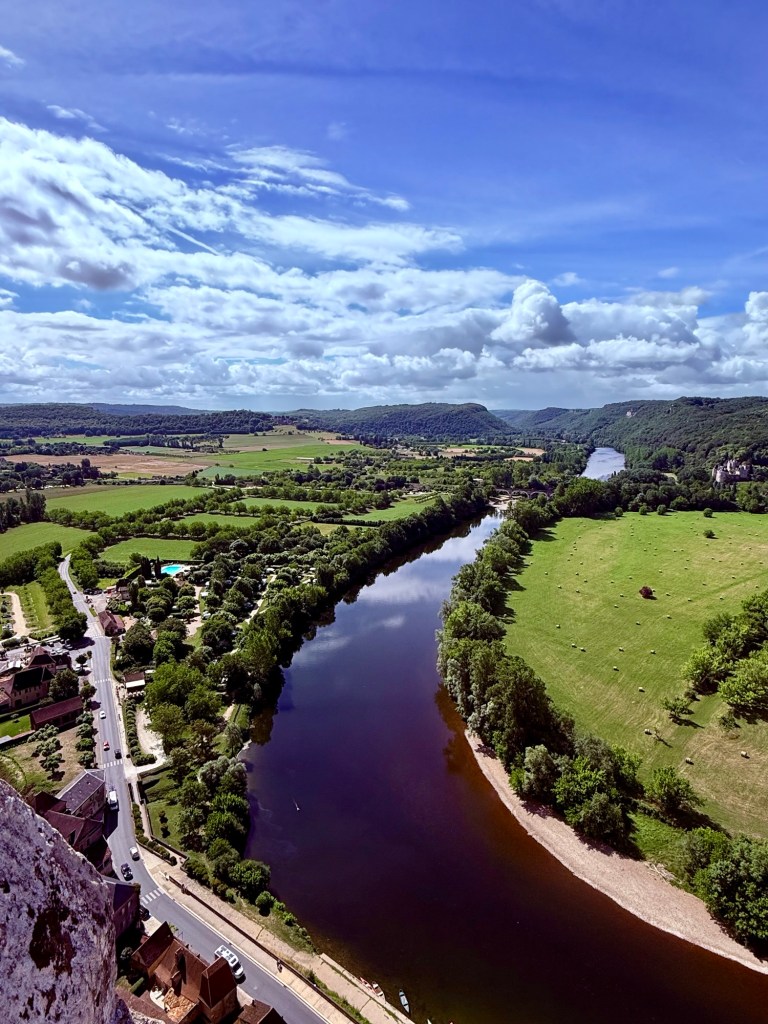
On one bank stood Beynac — French, massive. On the other, Castelnaud — English, equally determined. Two fortresses locked in a visual duel for an entire century.
Although it was attacked several times, Beynac resisted almost every siege thanks to its position. In 1214, Simon de Montfort captured it temporarily during the crusade against the Cathars, but the Beynac family eventually reclaimed it.
After the Hundred Years’ War, the castle entered a new phase: a spectacular Renaissance staircase, an elegant inner courtyard, and brighter rooms were added, giving it the appearance of a film set. Yet beneath these refined details, it remained the same massive, sober, military fortress.
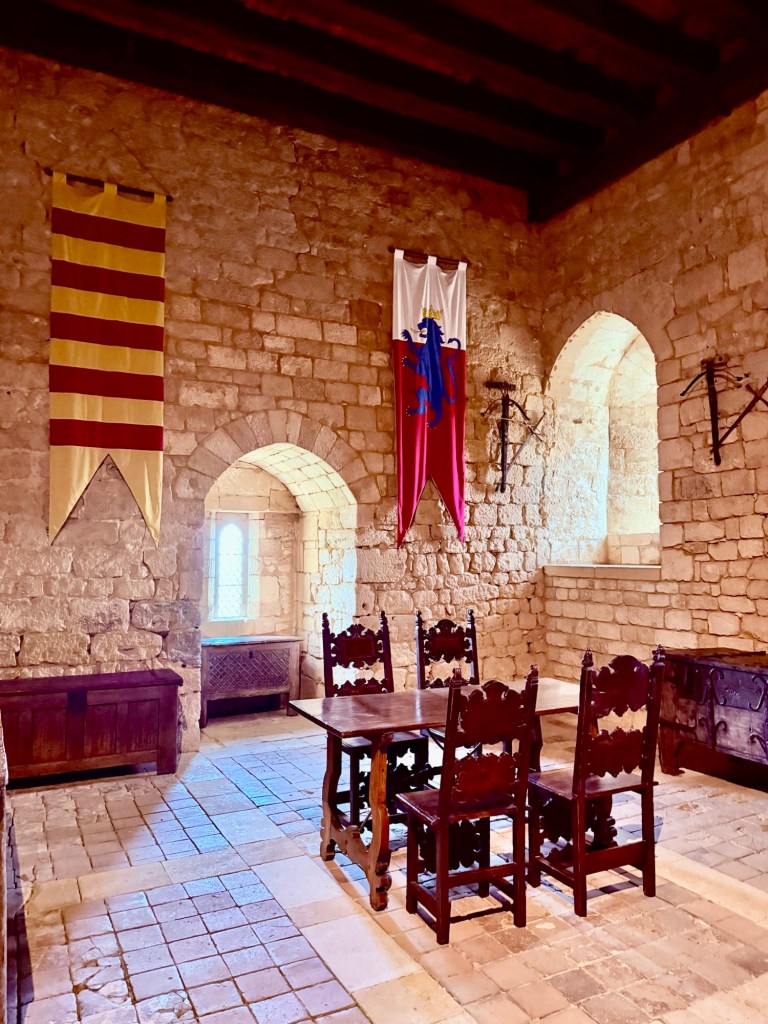
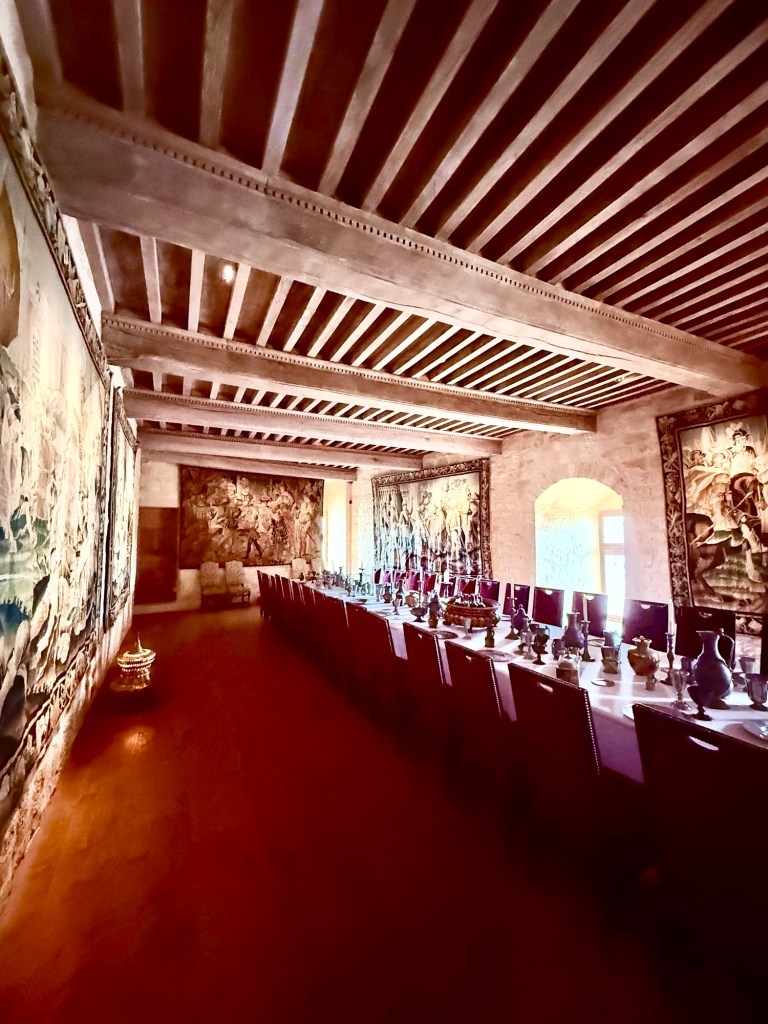
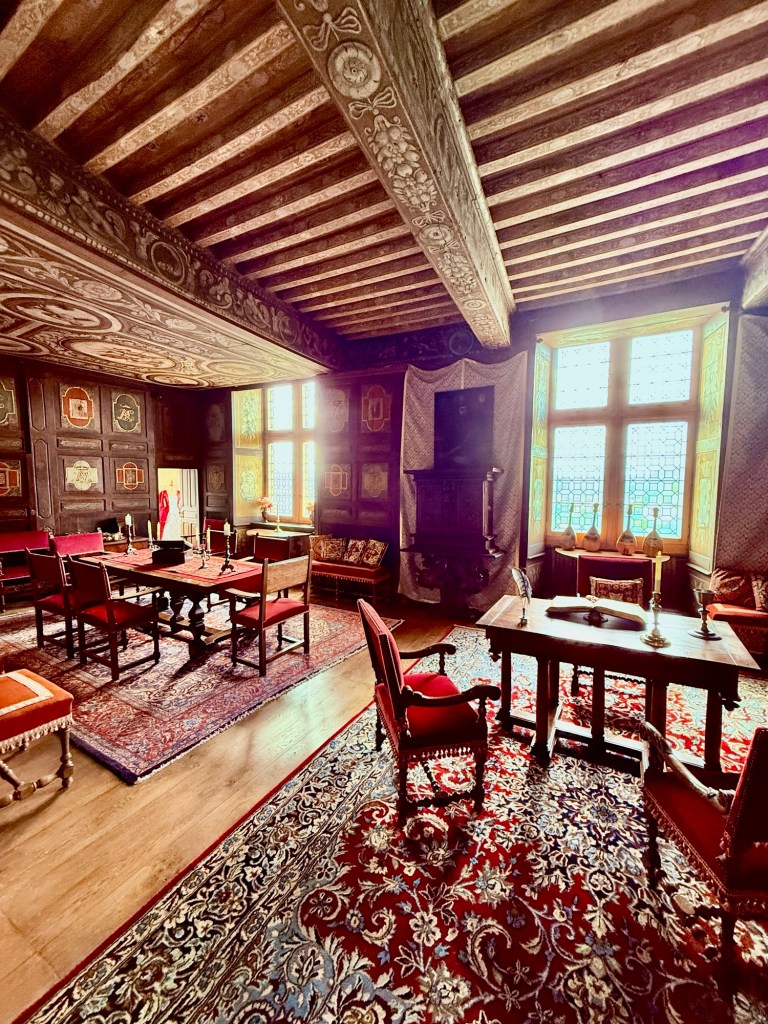
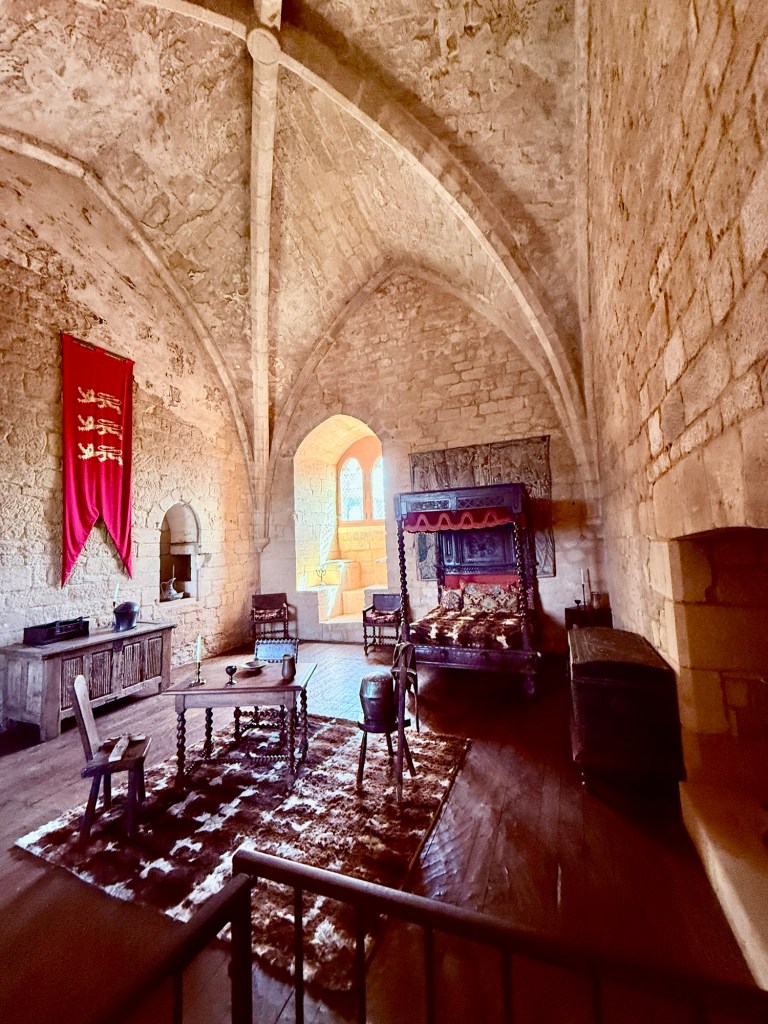
Like many castles, Beynac was gradually abandoned after the French Revolution. It deteriorated, fell into oblivion, and by the 19th century it was nearly in ruins.
In the 20th century, a private owner purchased the castle and began a meticulous restoration. Today, Beynac is one of the best‑preserved medieval castles in France — authentic, unpolished, with the atmosphere of a true fortress rather than a palace.
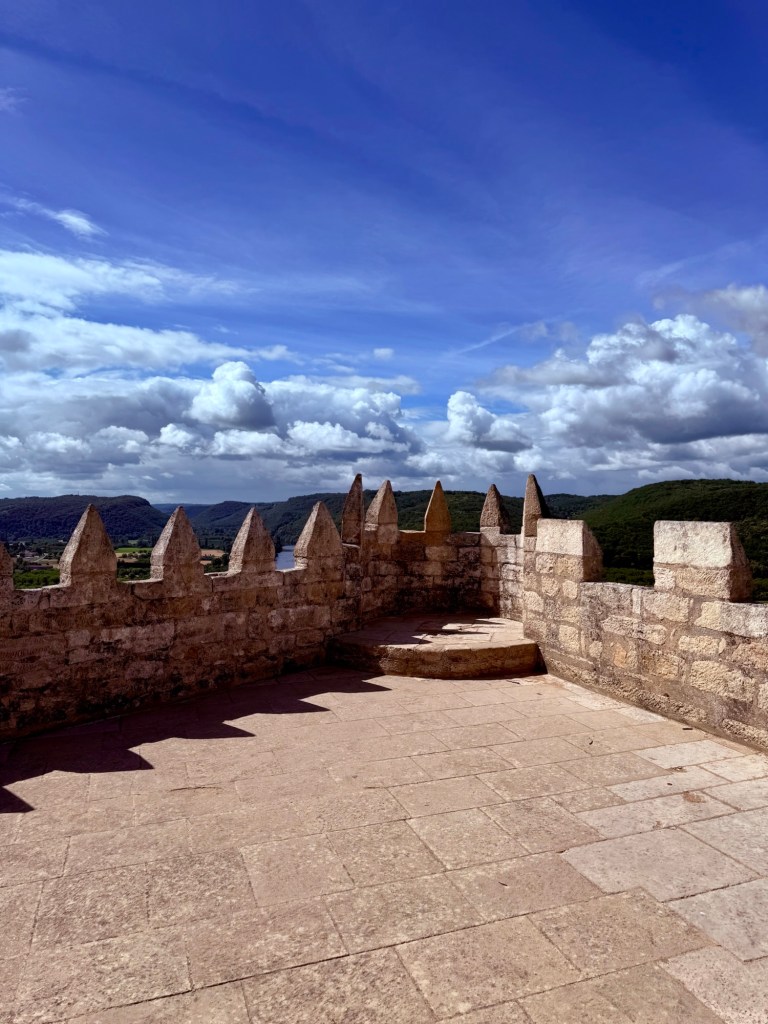
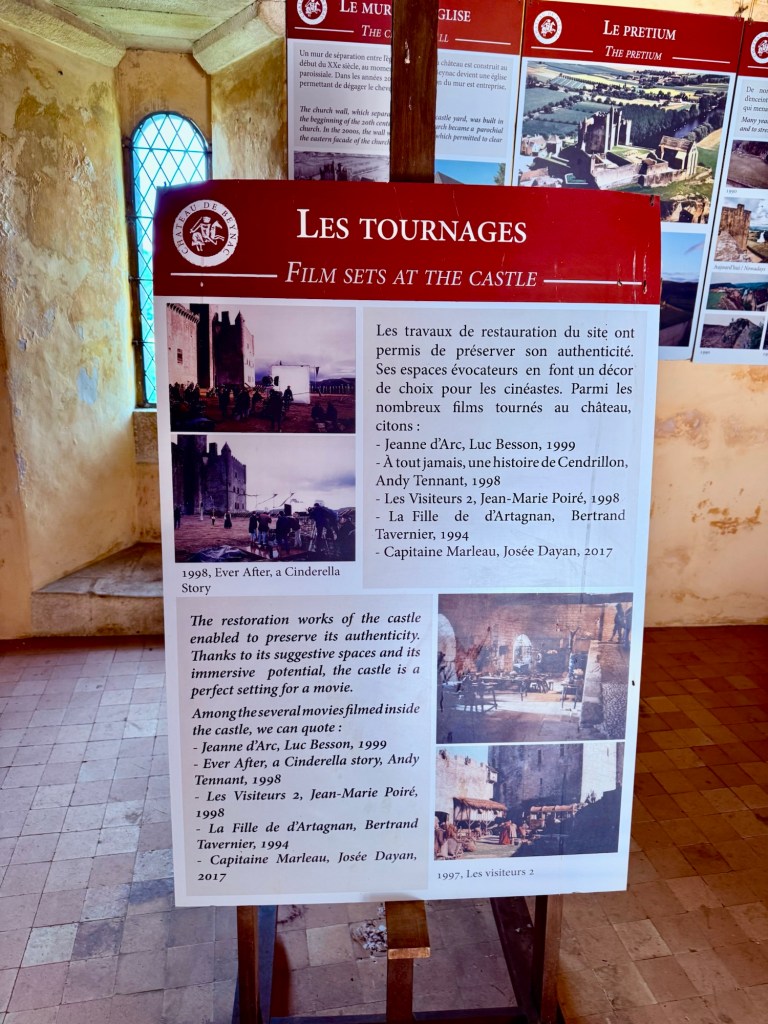
And today, when you walk through its cold halls and climb up to the terrace, you understand why filmmakers choose it again and again as a shooting location.
Beynac is not necessarily a beautiful castle — it is a real one, an authentic one. And the panorama from above — the Dordogne River winding between villages — compresses time into a single image. It feels as if Beynac is still watching over the valley, just as it did 900 years ago.
🏰 Château de Castelnaud — The English Stronghold That Dominated Beynac From the Opposite Bank of the River
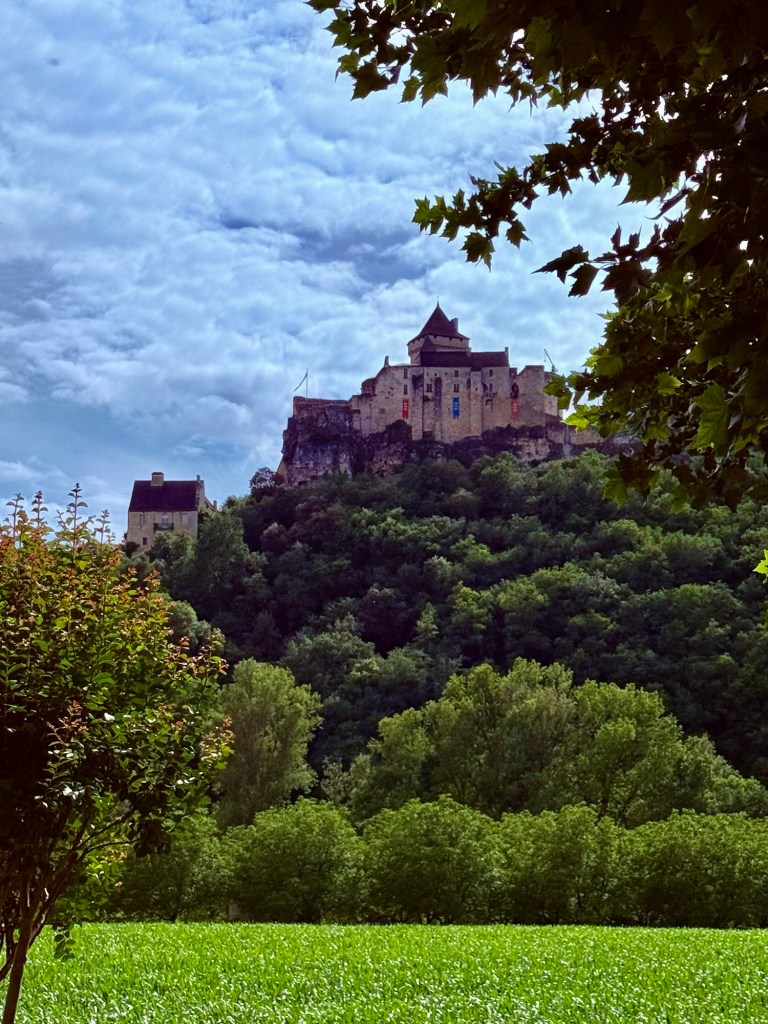
Castelnaud is, without exaggeration, one of the most spectacular medieval castles in Dordogne. Perched on a rocky promontory directly facing Beynac, it looks as if it were built specifically to provoke it. And in a way, that’s exactly what it did over the centuries.
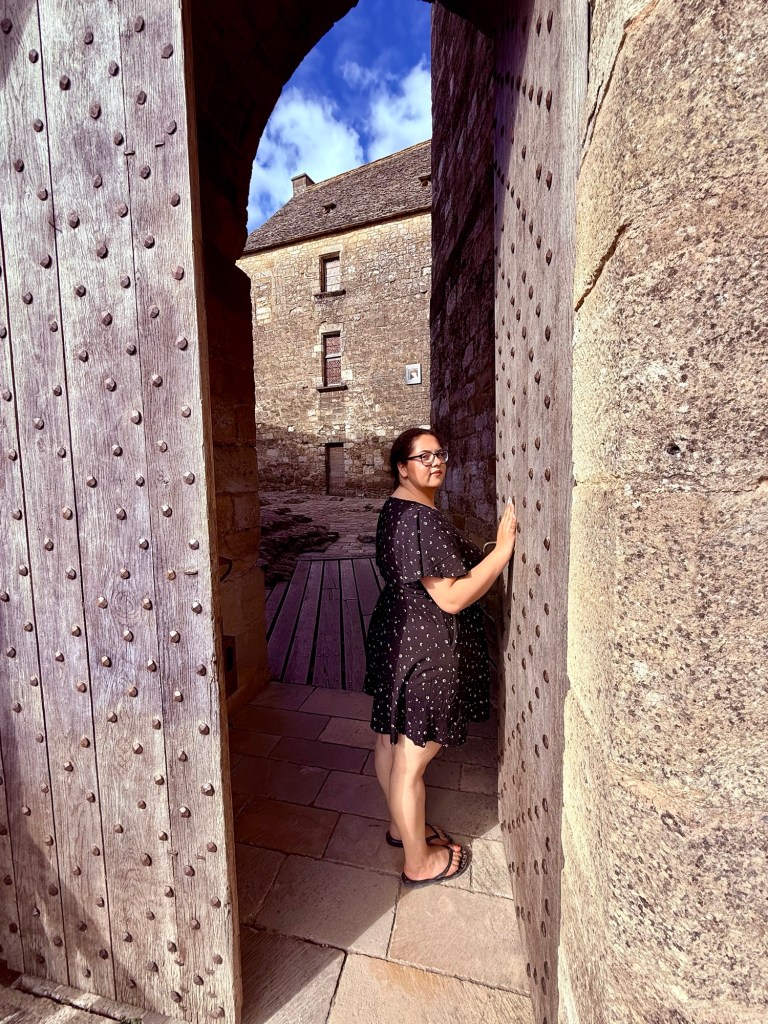
Castelnaud dates back to the 12th century and was built by the Castelnaud family.
From the very beginning, it wasn’t designed as a sumptuous residence but as a military fortress: with a strategic position, massive walls, and watchtowers, the entire complex was meant to control the Dordogne Valley.
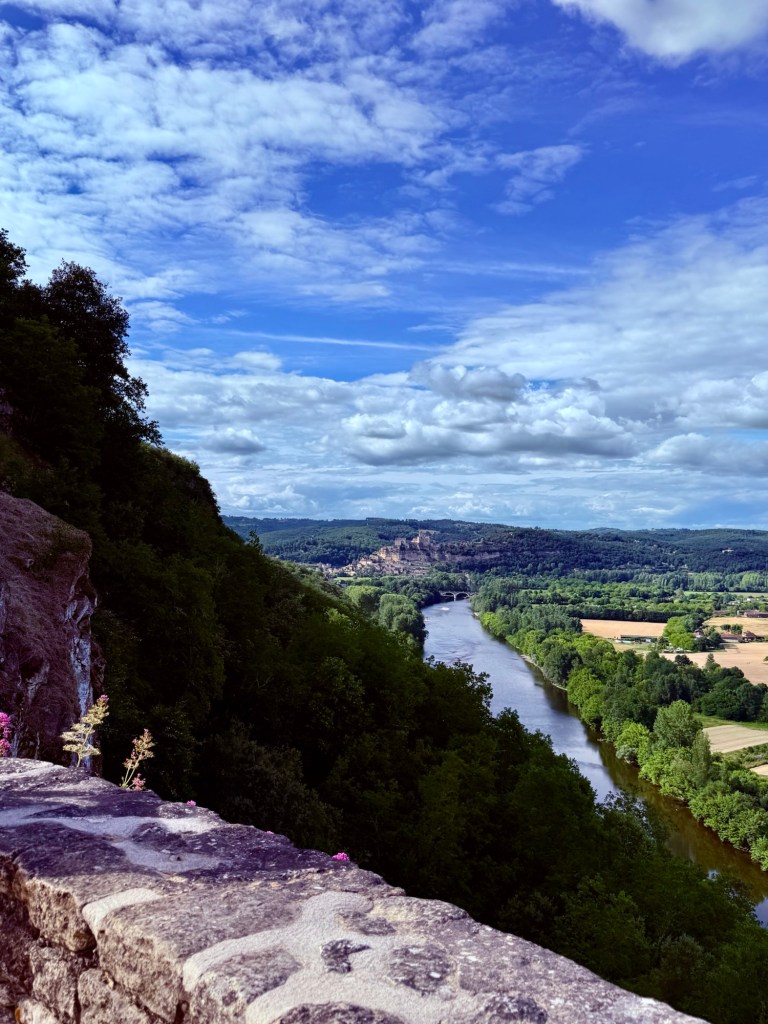
Because Castelnaud (English) and Beynac (French) watched each other from opposite sides of the river.
Each controlled one side of the valley.
Each represented a different power.
And the Dordogne Valley was the frontier line between the two kingdoms.
It wasn’t a duel of weapons, but one of position, strategy, and endurance.
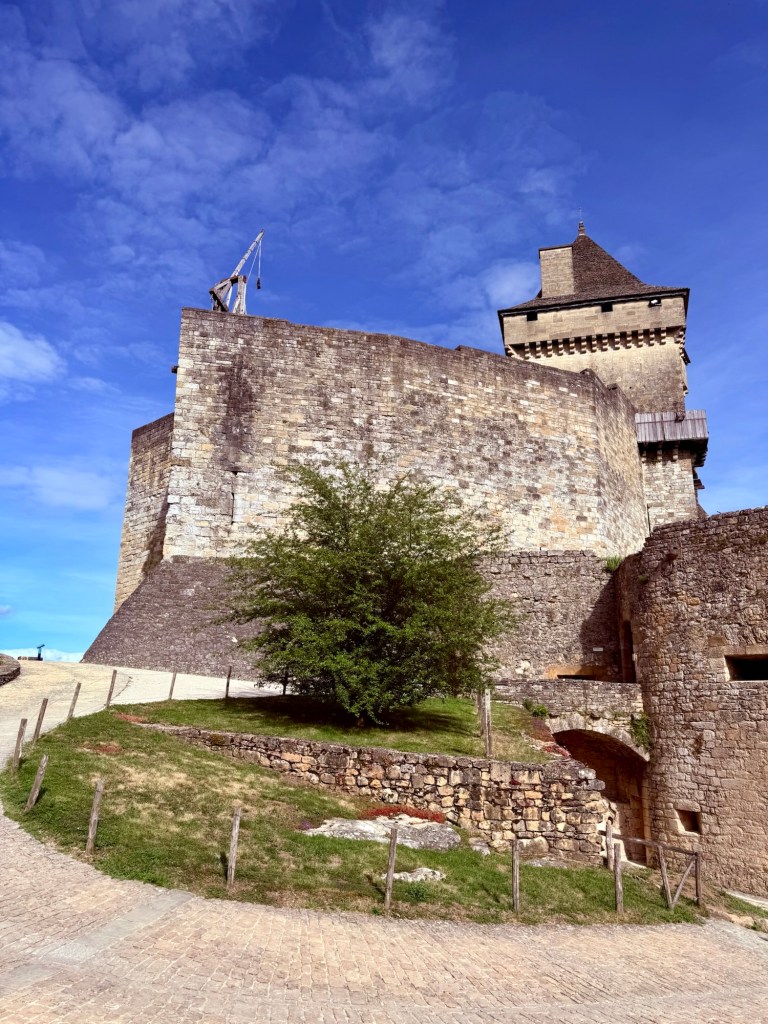
During the Hundred Years’ War, Castelnaud sided with England, while Beynac remained loyal to France. This is when the famous “silent duel” between the two fortresses began: Castelnaud — English, offensive, aggressive; Beynac — French, massive, defensive. Two castles facing each other, two worlds, two crowns staring across the river day after day for a century.
During this period, Castelnaud became one of the most important English bases in the region. Troops gathered here, weapons were stored, and attacks were planned. Because of this, the castle was conquered, reconquered, burned, and rebuilt several times.
It was so strategic that no one could afford to ignore it.
After the French definitively recaptured the area, Castelnaud was restored and modernized. A Renaissance staircase was added, along with more comfortable rooms and a brighter inner courtyard.
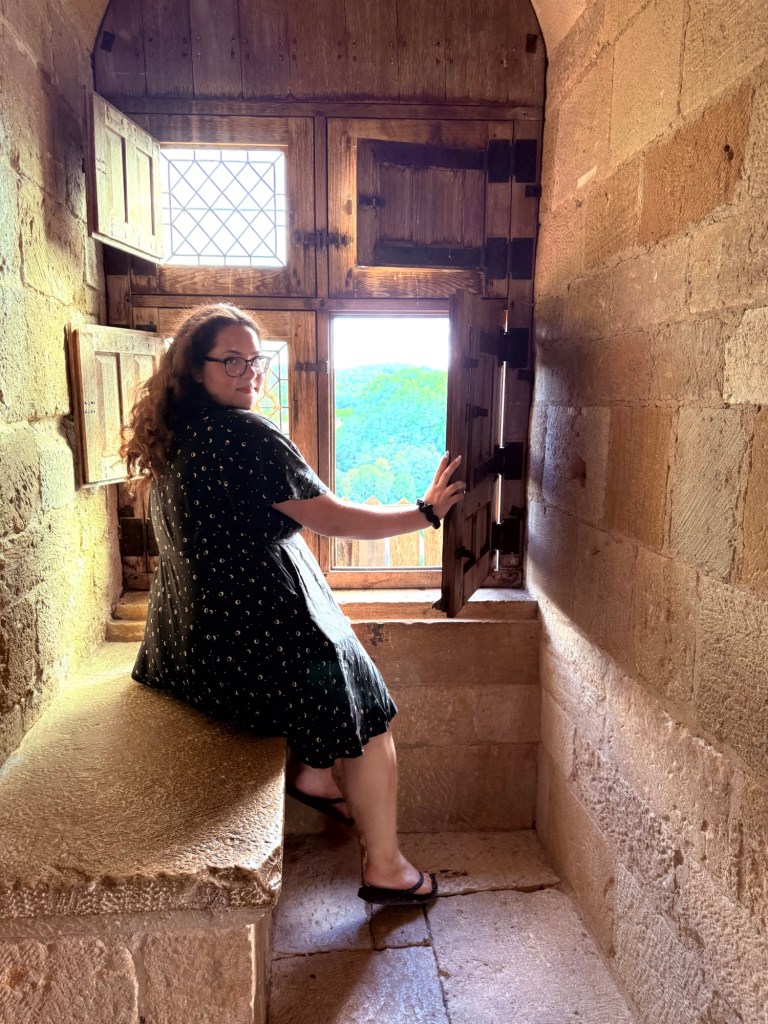
Even so, unlike other castles that gradually lost their military character, Castelnaud never abandoned its identity as a fortress. It remained solid, sober, and built for defense.
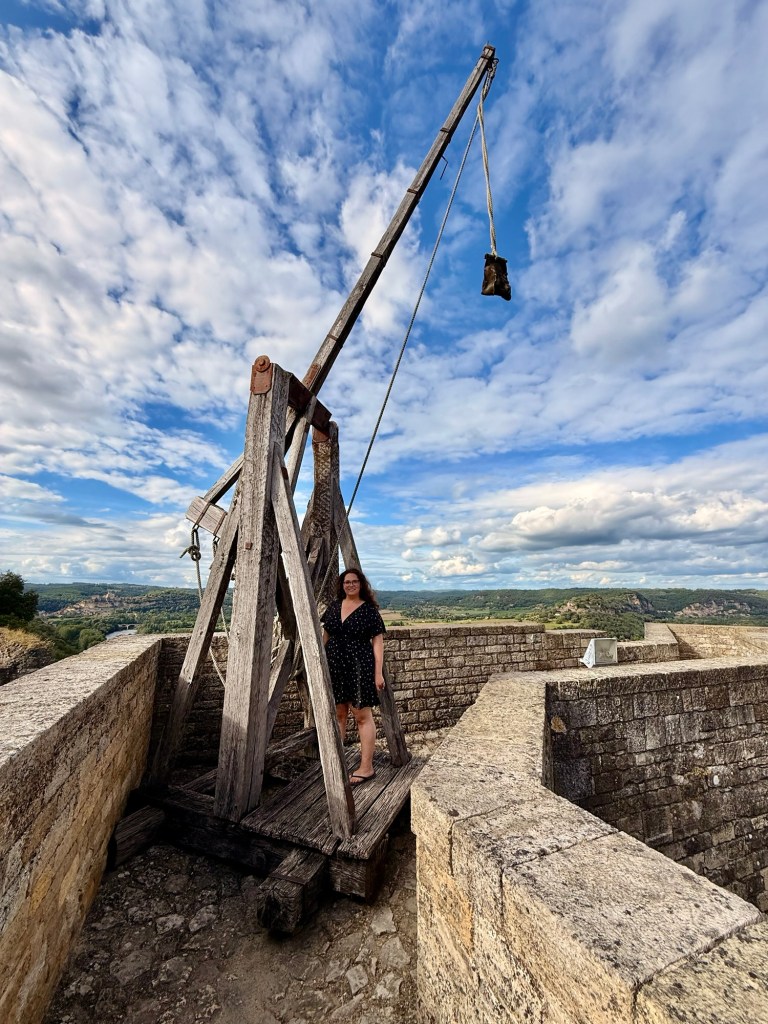
… I think I saw at least ten trebuchets in this castle. I had the feeling the inhabitants lived in a permanent state of siege.
A trebuchet could hurl projectiles weighing 80–140 kg over distances of 200–300 meters, with a firing rate of only one or two shots per hour, using enormous counterweights of 10–18 tons. It was the ultimate weapon of the Middle Ages, used from the 12th to the 15th century, before cannons replaced it.
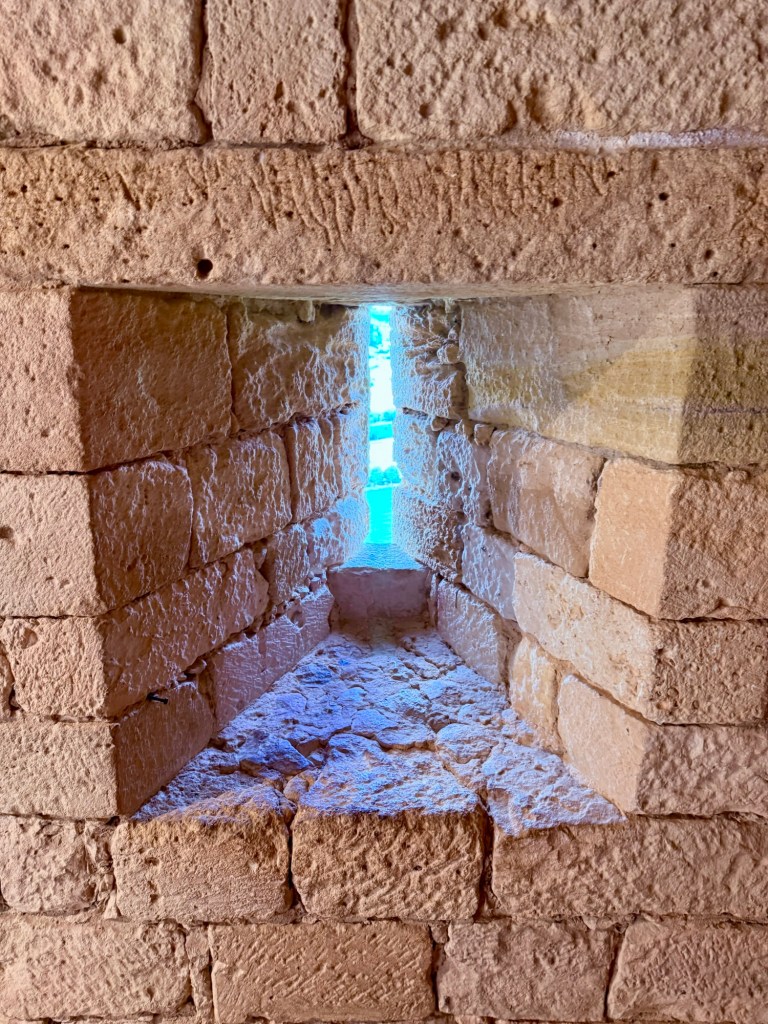
Today, Castelnaud is one of the most visited castles in France, and the reason is simple: it houses the largest museum of medieval weaponry in the country. Here you can see functional catapults, giant crossbows, armor, swords, halberds, impressive reconstructions of siege machines, and even live firing demonstrations.
In short, it’s a paradise for anyone passionate about the Middle Ages.
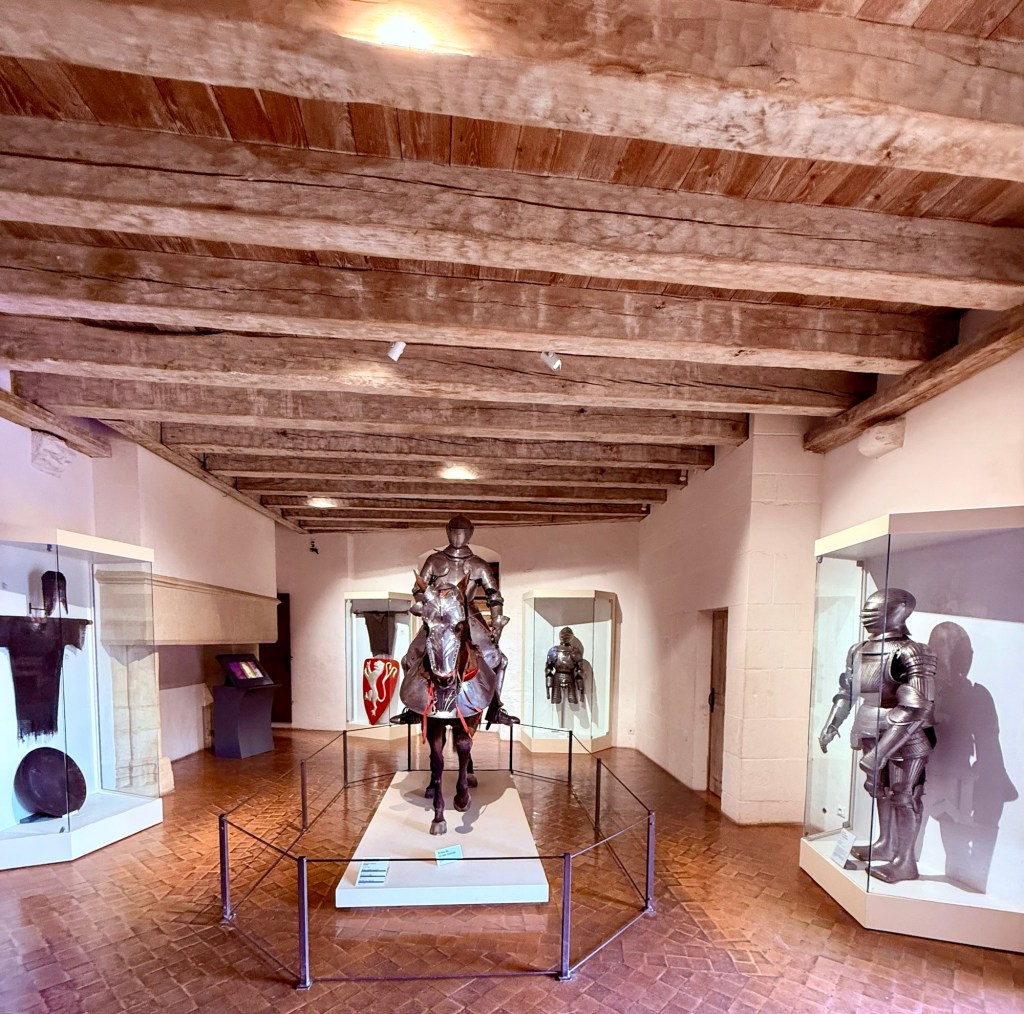
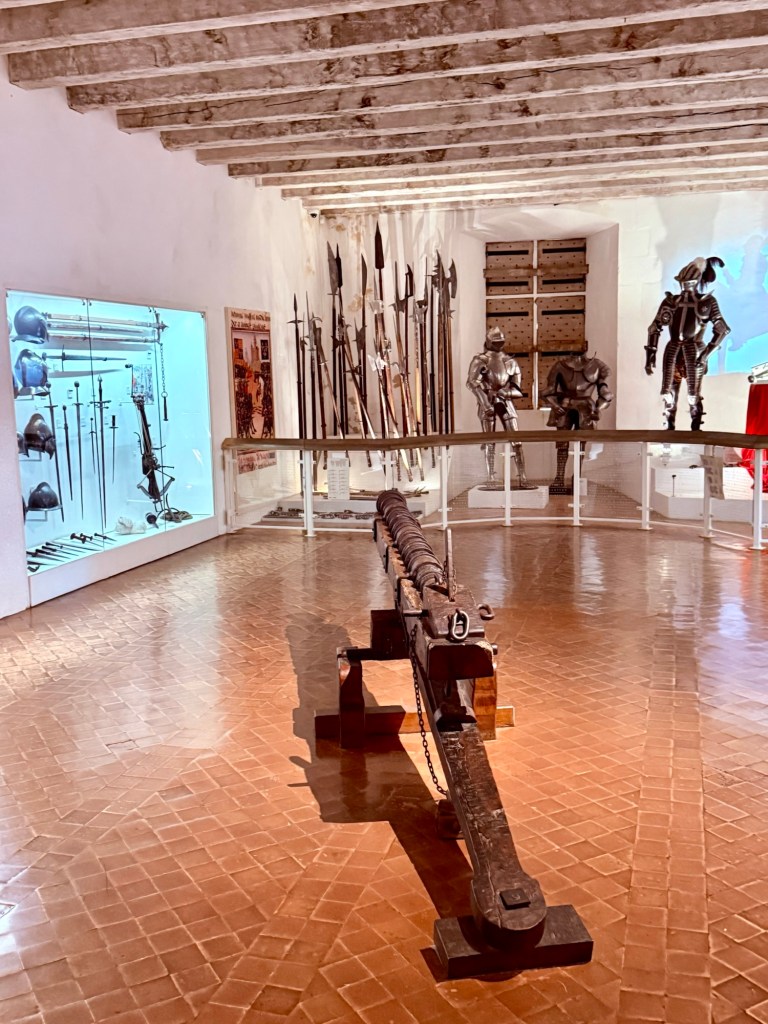
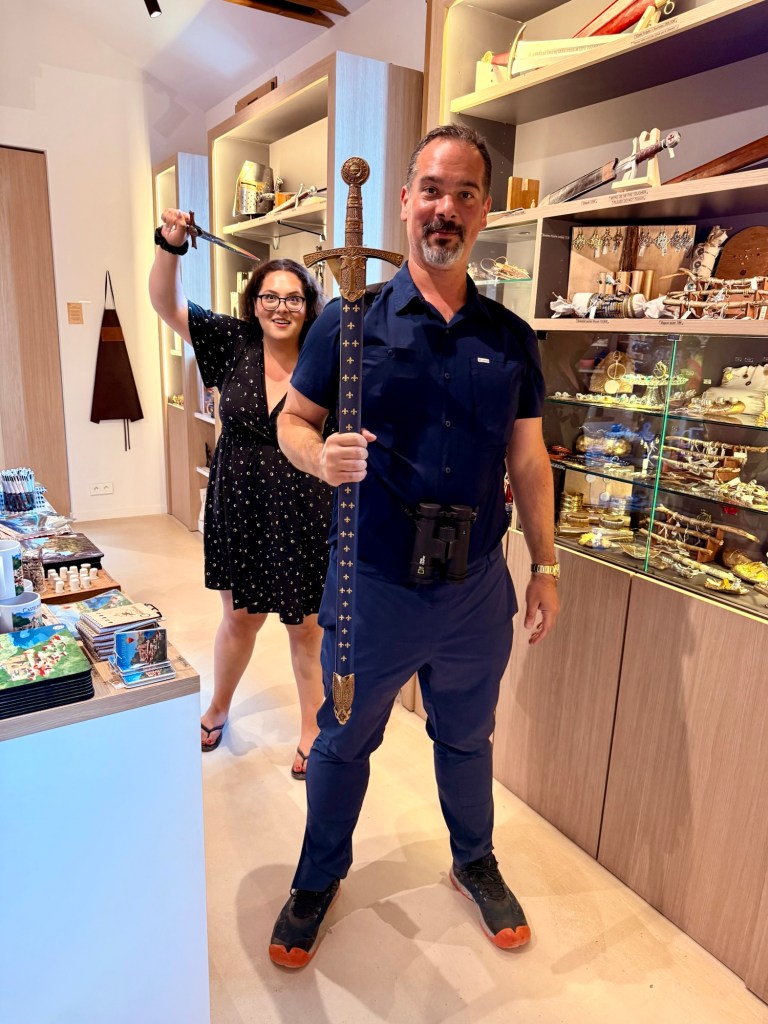

And yet, what truly impresses at Castelnaud is not its beauty — but its strength. It is not a romantic castle, but a strategic one. Not decorative, but profoundly military. And when you see it facing Beynac, you understand that the Dordogne Valley was not just a spectacular landscape, but a frontier line, a disputed territory, a place where power was measured for centuries.
Château de Puymartin and the Legend of the Dame Blanche — “The White Lady”
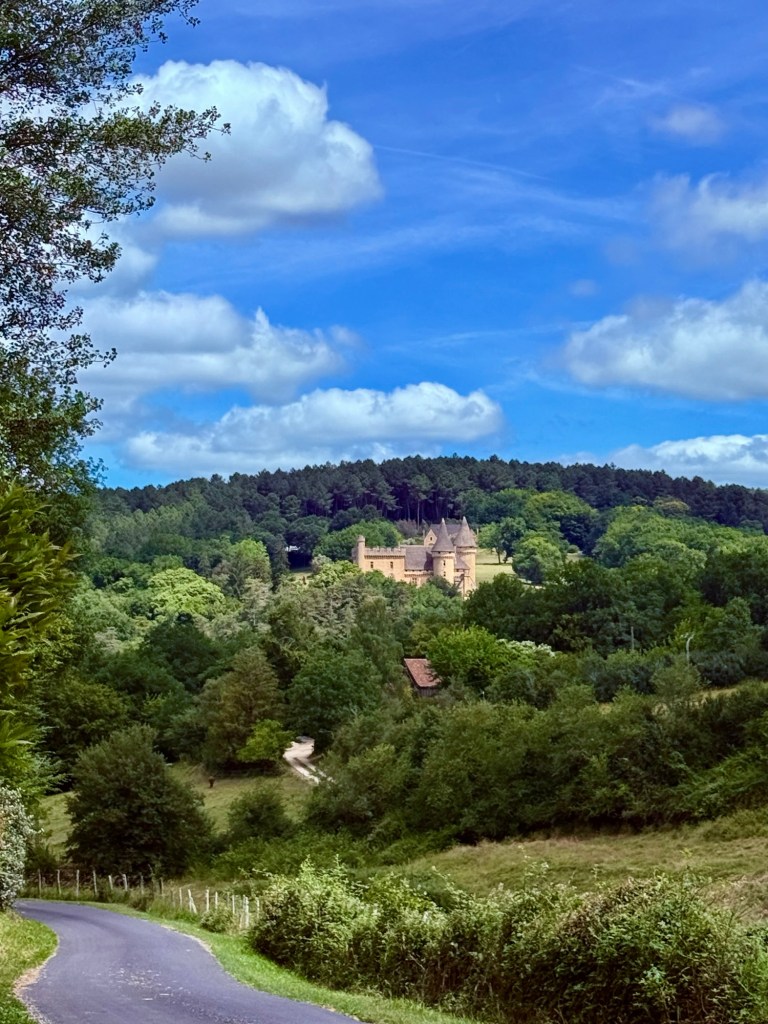
And now, a castle after my own heart: a touch of intrigue, a hint of adultery, and enough scandal to fill a medieval novel. Château de Puymartin is famous for the legend of the Dame Blanche — “The White Lady.” It’s one of the most well‑known ghost stories in the Périgord Noir.
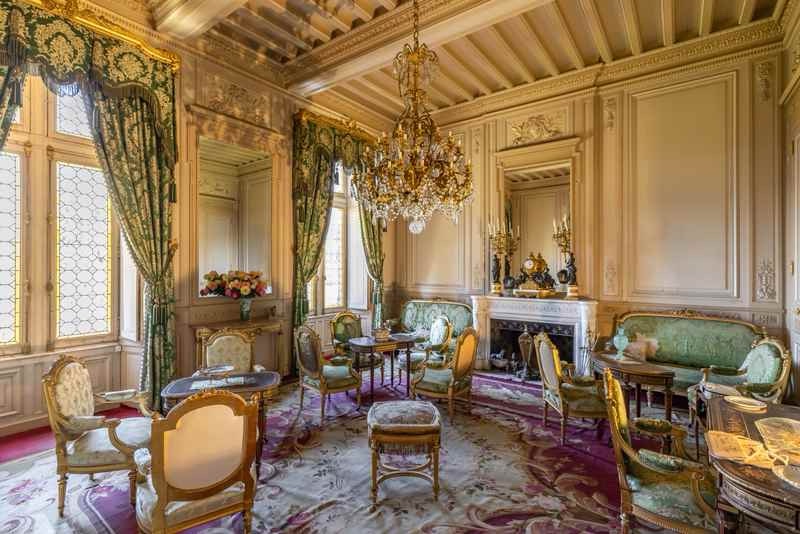
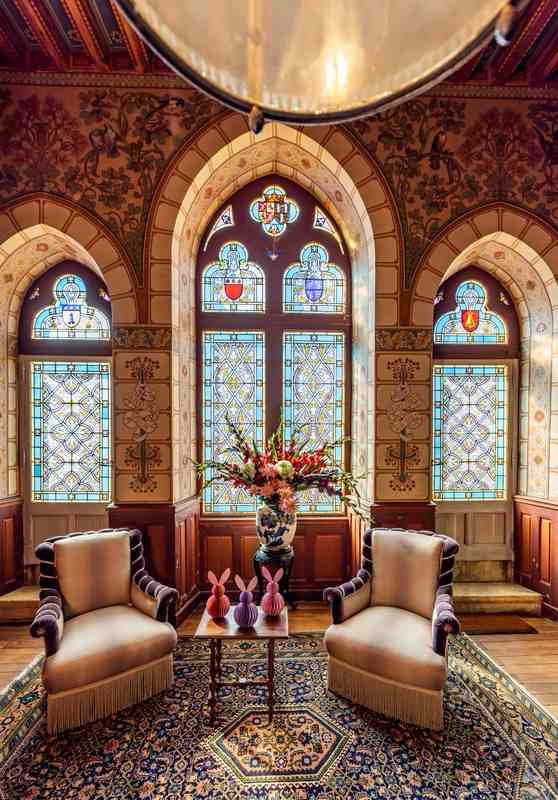
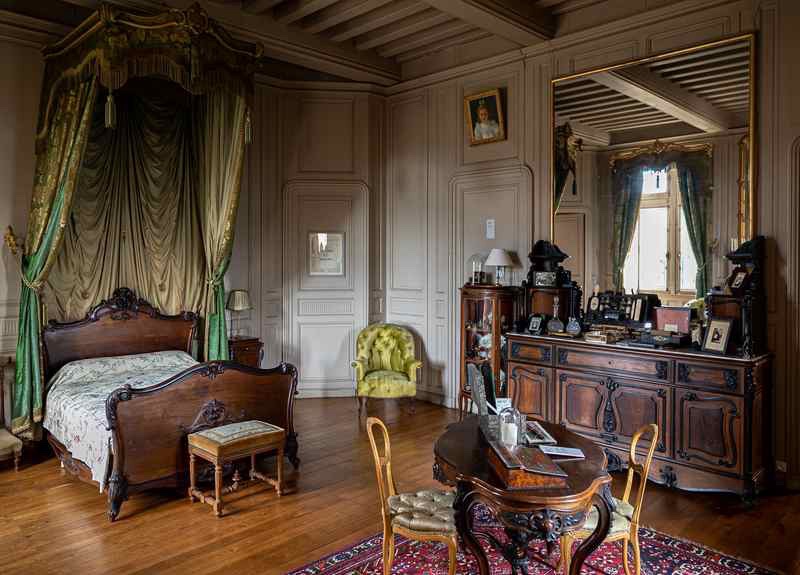
Legend has it that the White Lady is the ghost of Thérèse de Saint‑Clar, a 16th‑century noblewoman married to Jean de Saint‑Clar, the lord of the castle. An educated, elegant woman, accustomed to courtly life — and yet caught in a story that would turn her into one of the most iconic apparitions in the region.
They say that one day, Jean discovered Thérèse’s secret affair with a knight. There are several versions of how he caught them, but the one most often told by the castle guides says that Jean returned to Puymartin earlier than expected from a trip. Climbing toward his wife’s apartments, he found the door slightly ajar, heard whispers, and caught Thérèse and the knight together. His fury was instantaneous: the knight was killed on the spot, and Thérèse was dragged to the tower where she would remain imprisoned for years.
Another version — gentler, but just as dramatic — says that Jean caught them walking together in the garden, in a secluded corner of the estate. Their glances and gestures revealed everything, and Jean’s jealousy exploded instantly.
There’s also the version in which a loyal — or perhaps jealous — servant noticed the secret meetings and informed the master. Jean set a trap, bursting into the room at the exact moment needed to catch them together.
Some say the tragedy wasn’t just about forbidden love, but also about faith. Thérèse was Catholic, the knight Protestant — a dangerous combination in an era when religious differences could ignite wars. This “impossible” bond would have made their relationship even riskier, and its discovery even more devastating.
Regardless of the version, they all lead to the same point: the sudden discovery, the uncontrollable rage, and the beginning of Thérèse’s tragedy — locked in the castle tower, in a tiny room, for the rest of her life. What a miserable man… 🤦🏻♀️🤬
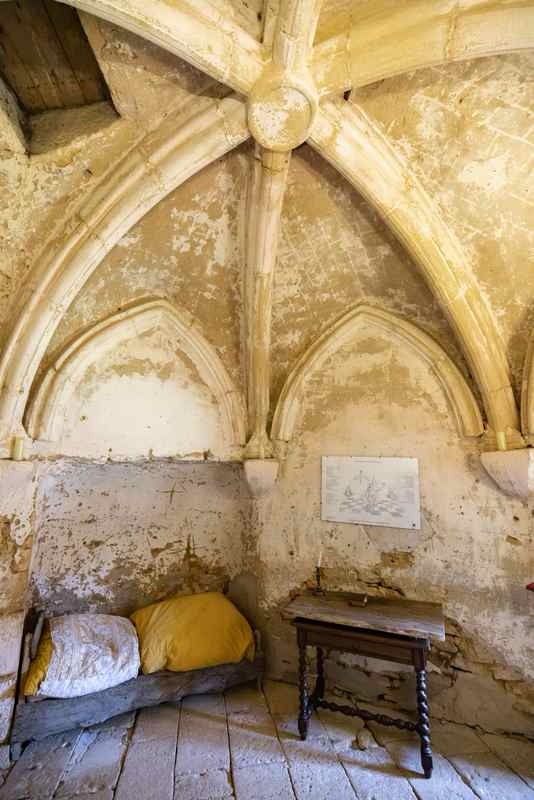
This is where Thérèse is said to have been kept for years: no contact with the outside world, no visits, no voice, no hope — only the thin thread of light slipping through the narrow window. She died in that room, and her body was supposedly walled inside, as if someone wanted her story to disappear forever.
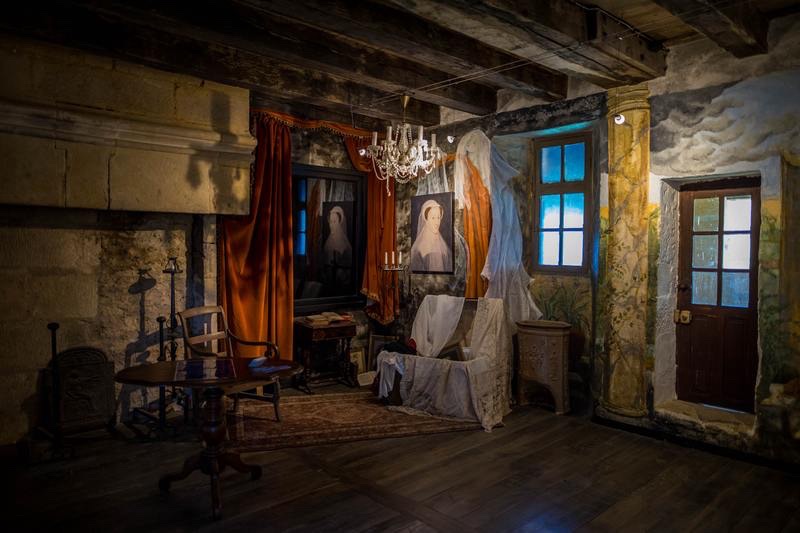
The problem is… it didn’t. 👻
After her death, Thérèse is said to have been seen countless times: a white silhouette gliding through the corridors, especially in the tower where she was imprisoned. Sometimes at sunset, other times in nights so silent they feel heavy.
Some visitors claim they’ve felt a cold draft, even though the windows were tightly shut. Others heard soft footsteps on the stairs. And the guides sometimes speak of a presence that seems to follow them quietly.
Some believe her apparition is a warning.
Others say it’s simply her desire not to be forgotten.
Puymartin is not just a castle to visit — it’s a place where the past hasn’t faded. And the “White Lady” is not just a legend repeated by guides, but the memory of a life shattered by a man who reacted with brutality rather than reason — a presence that still haunts the corridors and the imagination of those who cross its threshold.
Discover more from "The world is your oyster".
Subscribe to get the latest posts sent to your email.
