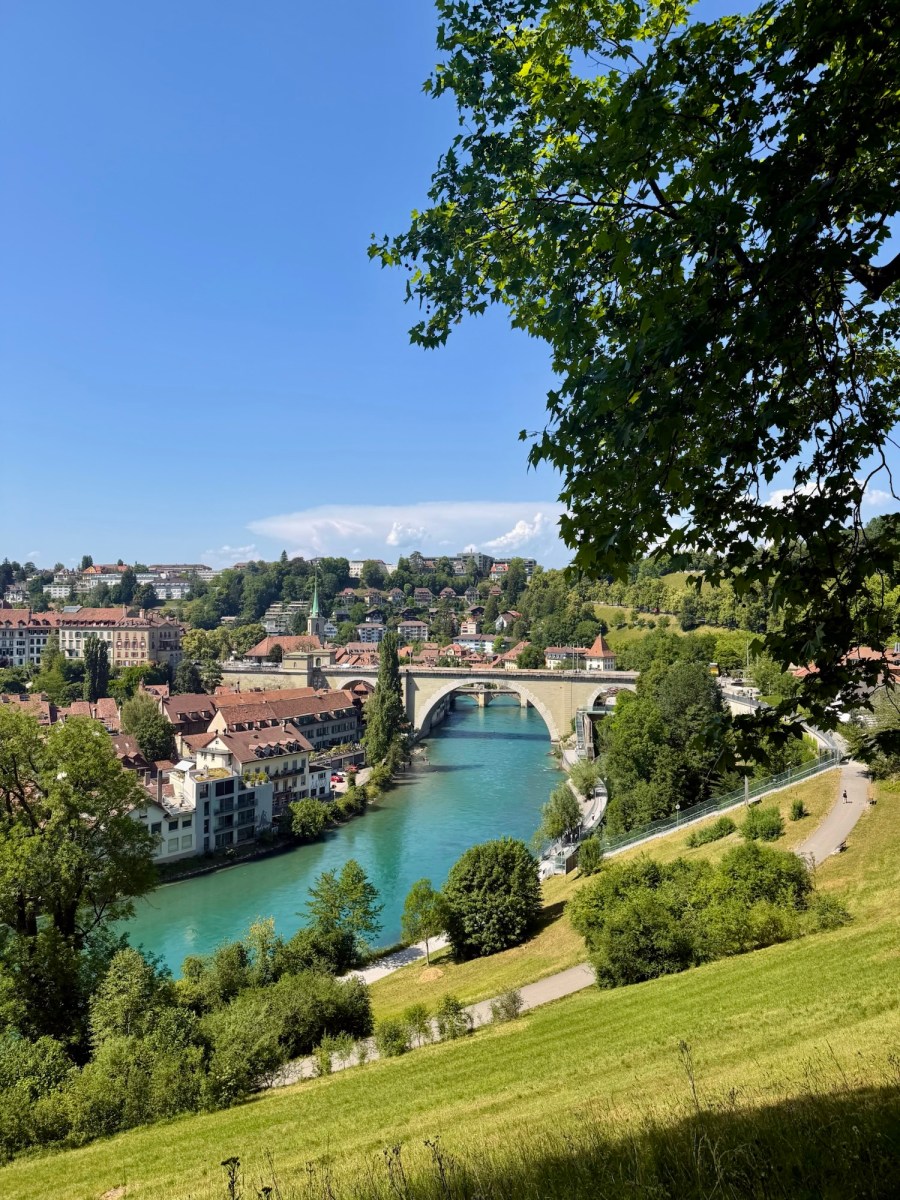
Yesterday we arrived in Bern, this city that impresses you with its medieval calm. George suggested we visit a museum, but my brain is currently on strike in that department, so Anna and I chose to explore the city instead. Unfortunately, we got caught in a heatwave of over 30°C, perfect for turning any walk into a small urban survival test.
Bern is the capital of Switzerland, and this time we only managed to see the old town — that’s where we “dropped off” George at the museum before heading out to explore. Even so, wandering through the Altstadt (the old town) gives you an excellent summary of the city’s history, because everything here still carries the imprint of the Middle Ages.
In short, Bern’s story begins in 1191, when Duke Berthold V of Zähringen founded the city as an outpost between the Germanic and Burgundian worlds. After the Zähringen dynasty died out in 1218, Bern became a free imperial city and began to expand, until in 1353 it joined the Swiss Confederation and quickly became one of its influential members.
A decisive moment came in 1405, when a massive fire destroyed the wooden-built city. The reconstruction was done in sandstone — the reason why the old town today has that elegant, uniform greenish tint. And in 1848, Bern became the political capital of Switzerland, a role it still holds today with the same unshakeable calm.
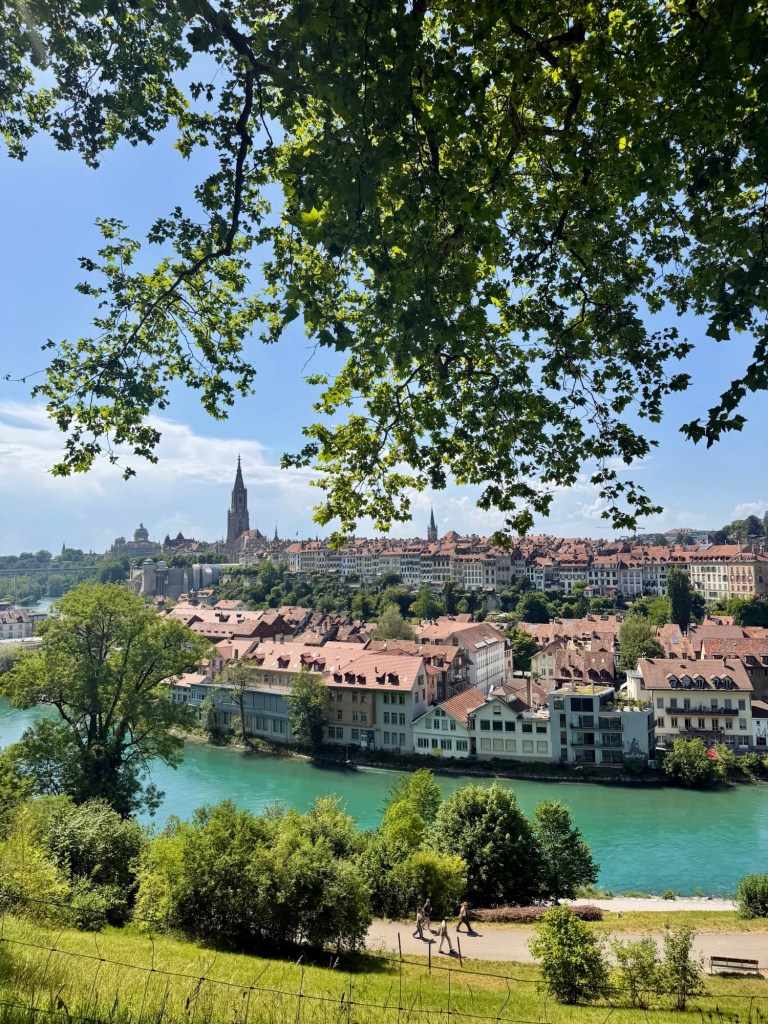
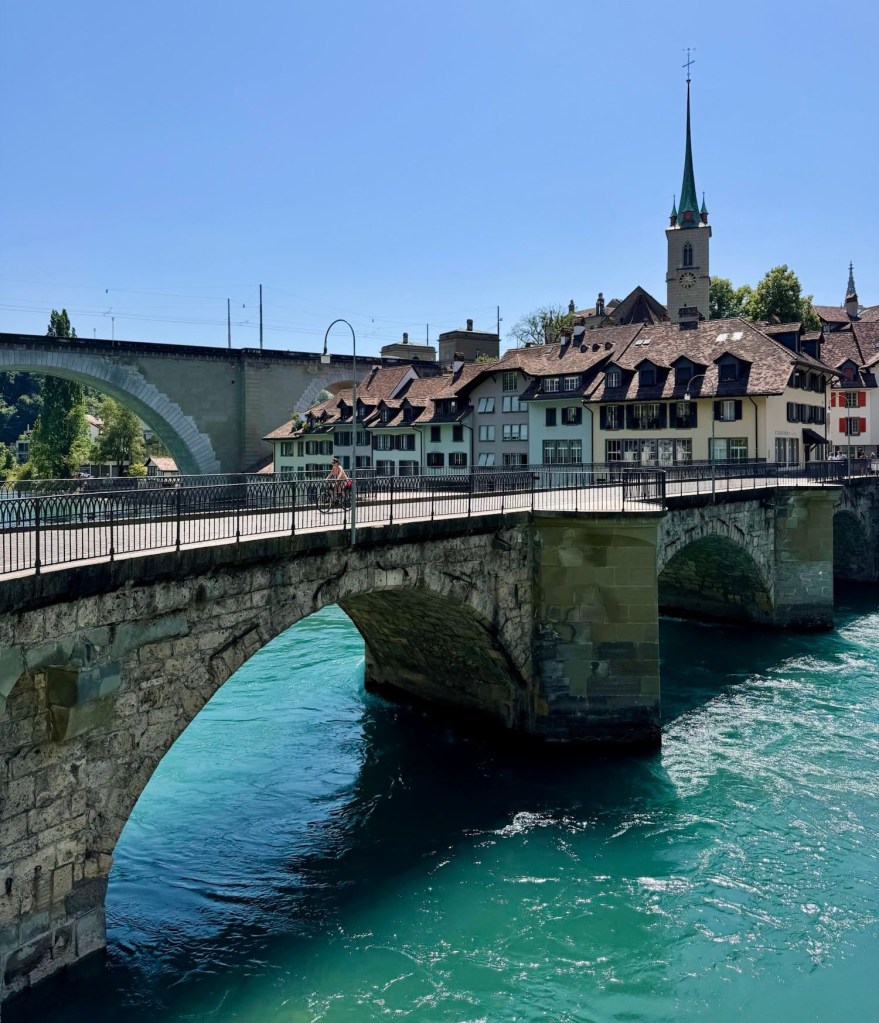
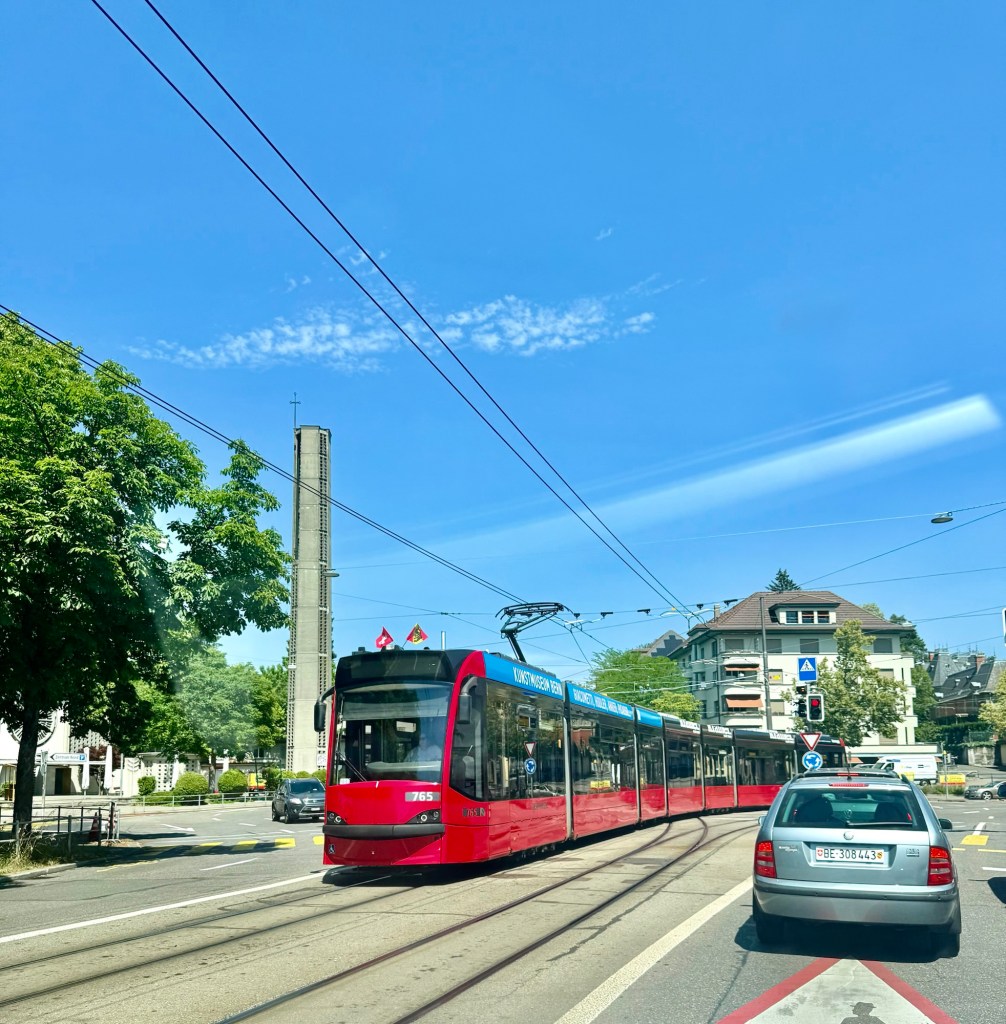
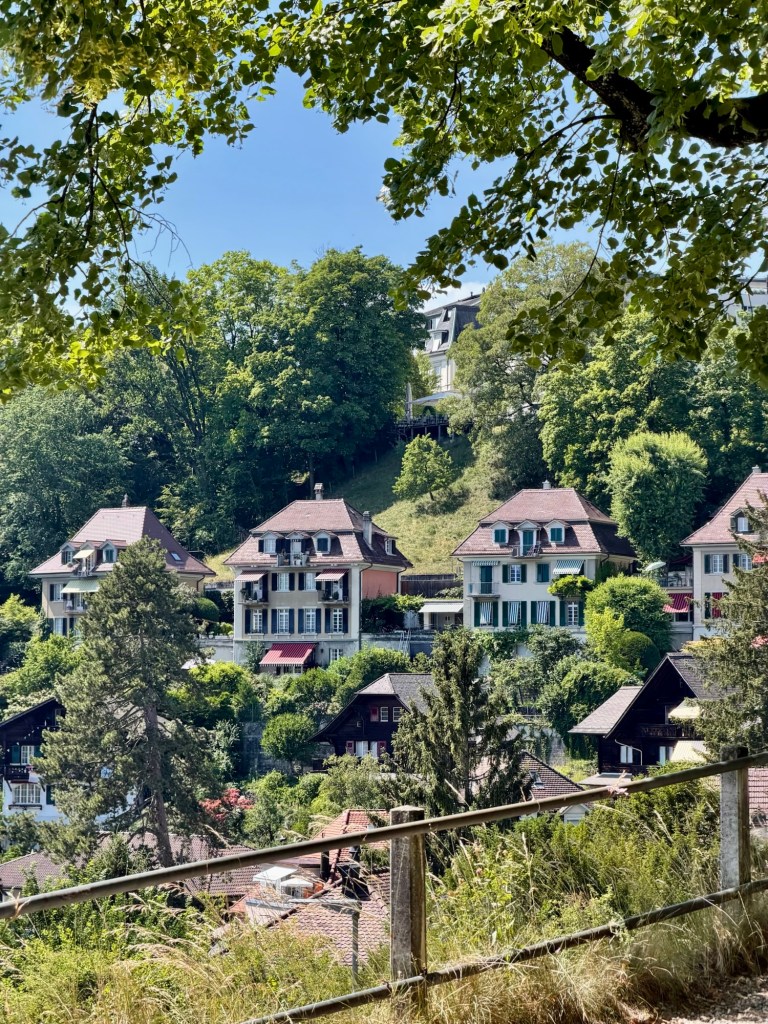
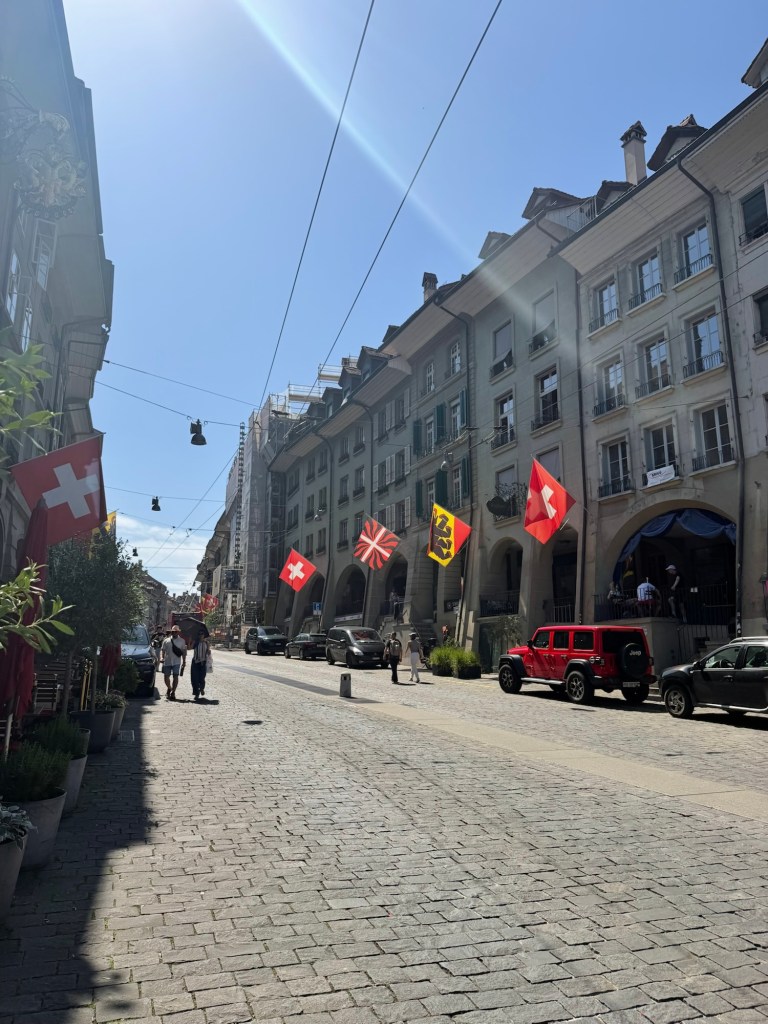
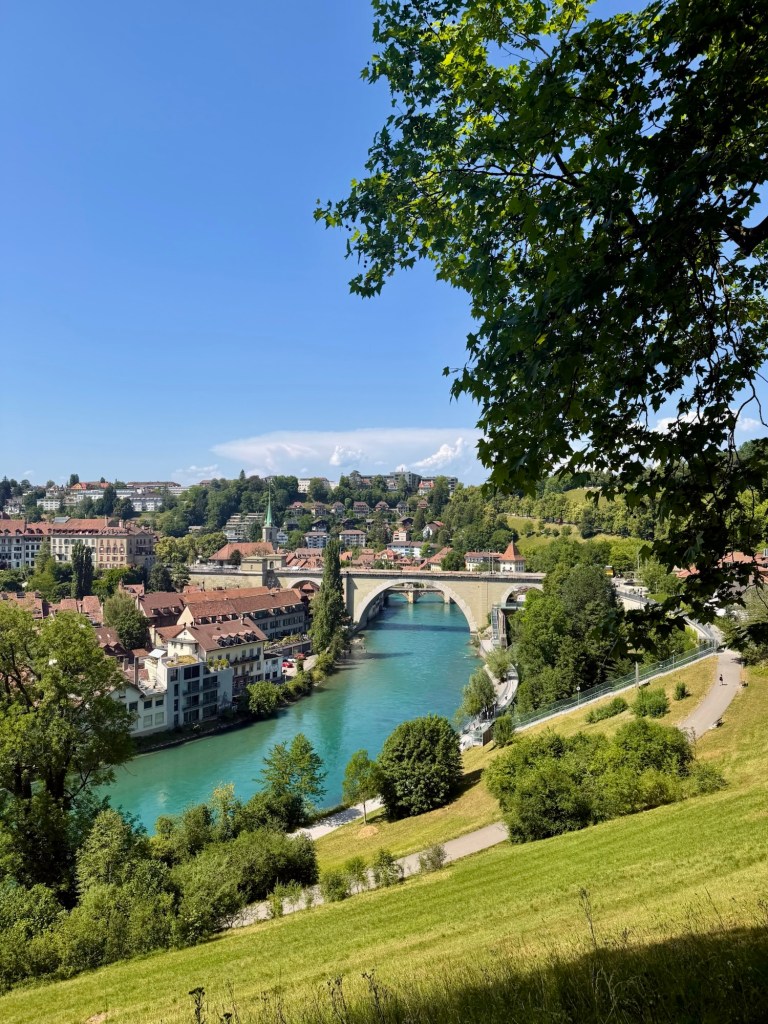
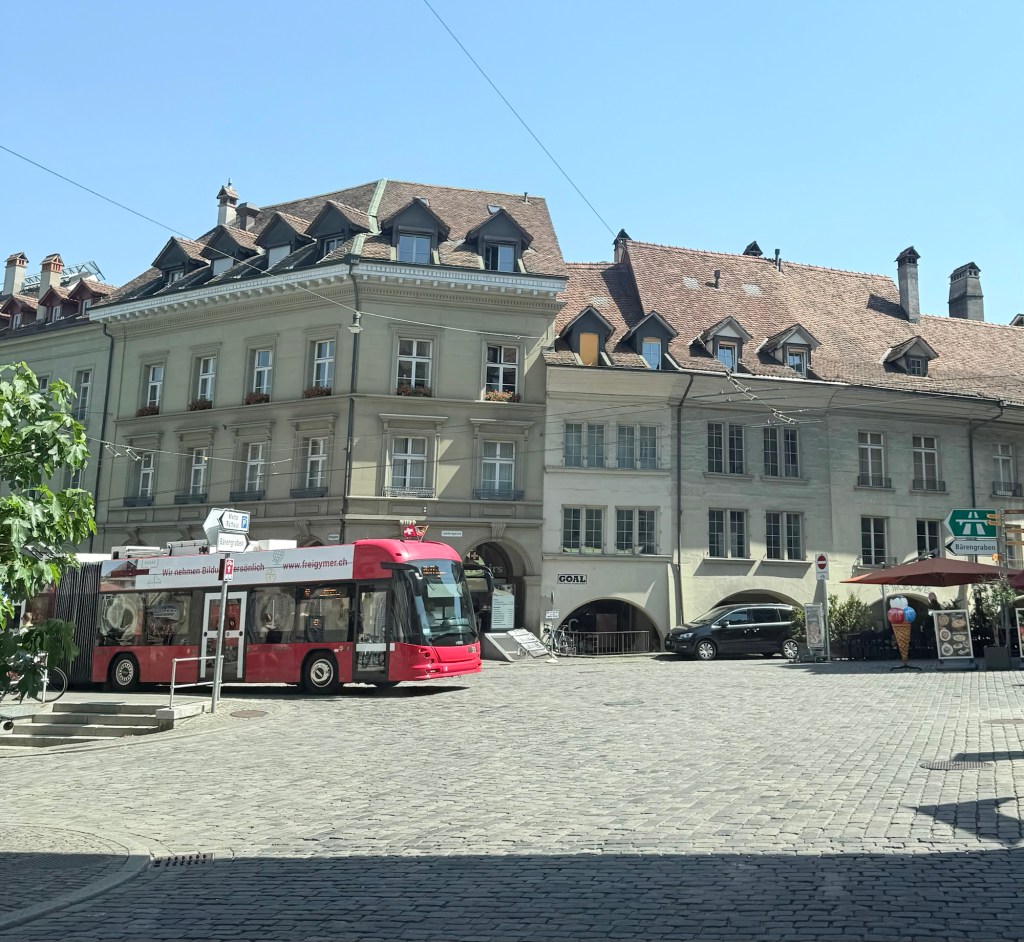
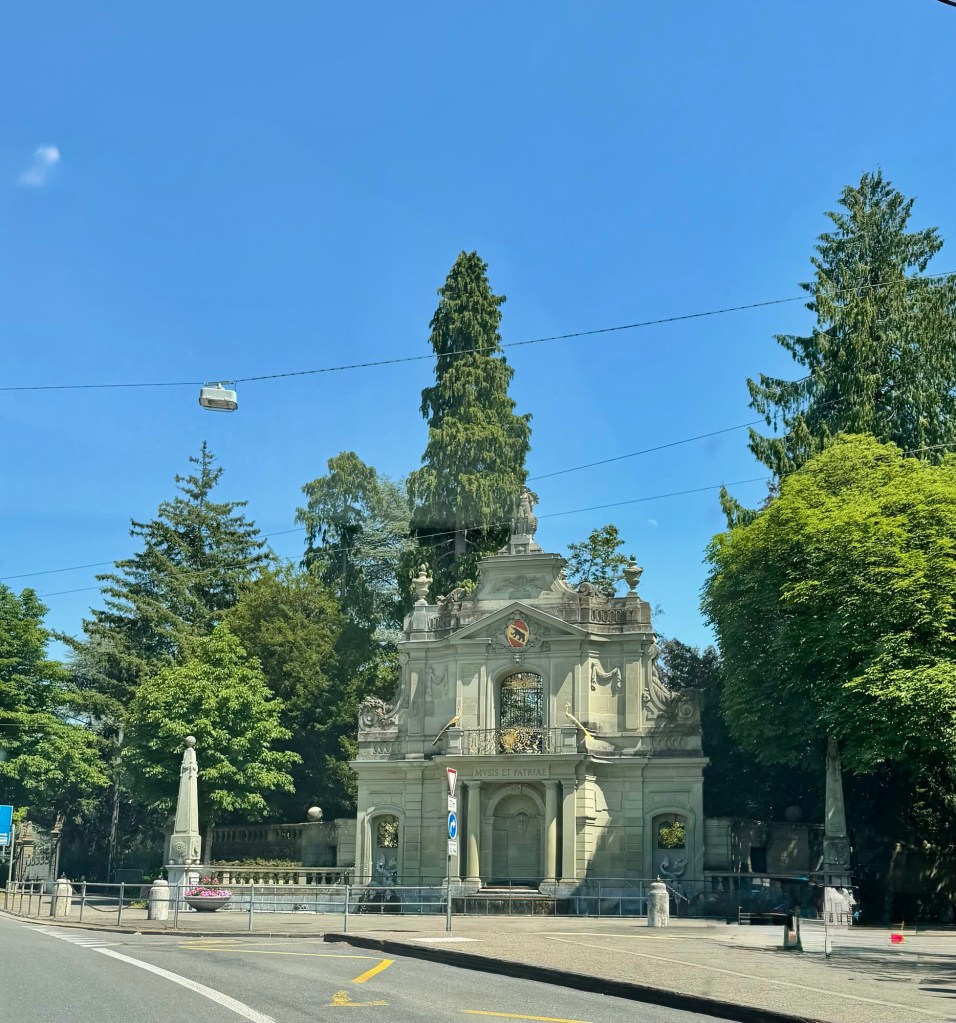
The city is very beautiful and surprisingly peaceful. It wins you over with its simplicity.
The locals are very discreet and mind their own business, a bit like Canadians: they don’t step into your life unless you ask them something. They dress sporty and comfortably, probably also because of the heatwave. I didn’t see any displays of luxury clothes or products like in Saint‑Tropez, where the whole town felt like a moving fashion runway. Here the atmosphere is much more relaxed and free of ostentation.
The only thing that pulled me out of Bernese zen were the prices, which seem to have been set by someone with a very dry sense of humor. Gas is 1.80–1.90 Swiss francs per liter (3.16–3.34 CAD $), which doesn’t help the general impression that everything is expensive here. In France, a sandwich cost 4–5 euros; here, the same baguette is 8–10 Swiss francs, and a 1‑liter bottle of water is 2.50 francs. A burger with fries and a Pepsi at McDonald’s is 20 CHF, meaning 35.14 CAD $. Swiss prices… 🤦🏻♀️
I asked a local, and he told me the average salary is 70,000 Swiss francs — very nice for them, but my wallet didn’t feel comforted at all. Compared to this, France suddenly seems almost like a low‑cost destination. 😩
And if I compare it to the cost of living in Canada, we’re actually doing pretty well. It may not be as warm and lovely at home as it is here, but at least we don’t have to sell a kidney to get through the day.
I almost forgot George’s little adventure in Bern, after we left him at the history museum while Anna and I explored the city. Of course he ended up at a shooting range. 🤦🏻♀️
The Swiss are special in another way too: their relationship with guns and shooting. Here, target shooting isn’t just a hobby — it’s a deeply rooted national tradition. There are hundreds of shooting ranges, literally everywhere, and shooting is considered as normal and natural as riding a bicycle.
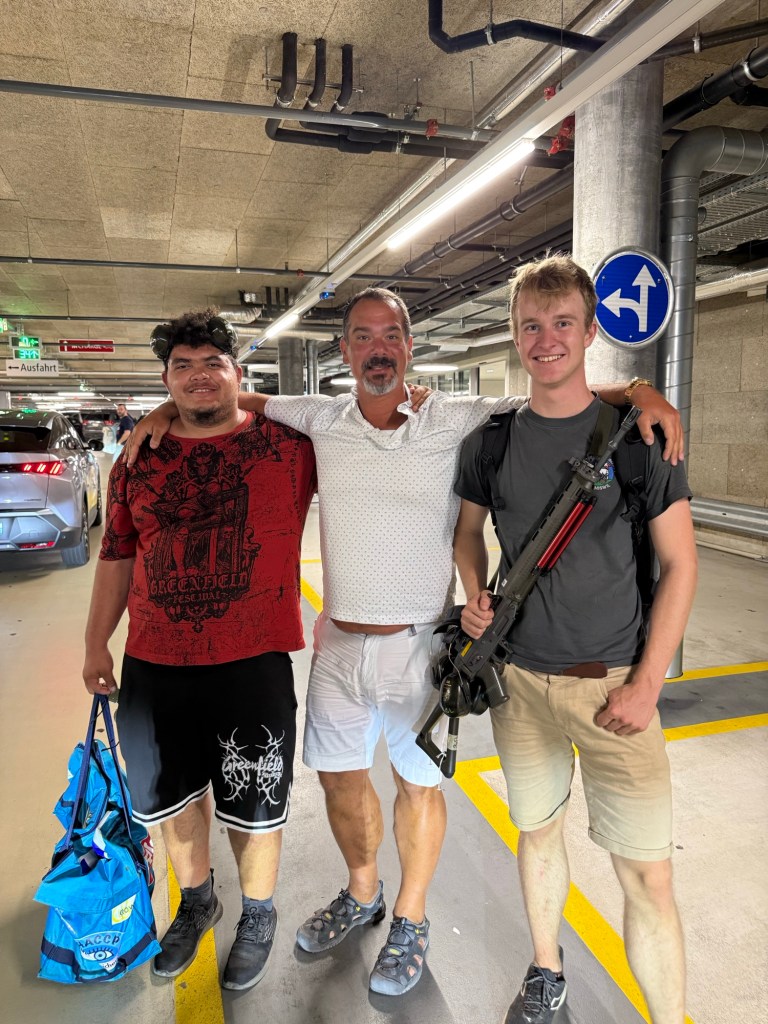
In Switzerland, sporting guns are a completely normal sight: young people carry their unloaded rifles to and from the shooting range without anyone batting an eye, because the law allows the transport of sports weapons in public as long as they’re not loaded. What isn’t allowed, however, is carrying them loaded on the street — for that you need a special permit that’s almost impossible to obtain. That’s how we ended up seeing this group of teenagers with rifles under their arms stopping at Migros. Apparently it’s perfectly normal for the locals. 🤦🏻♀️
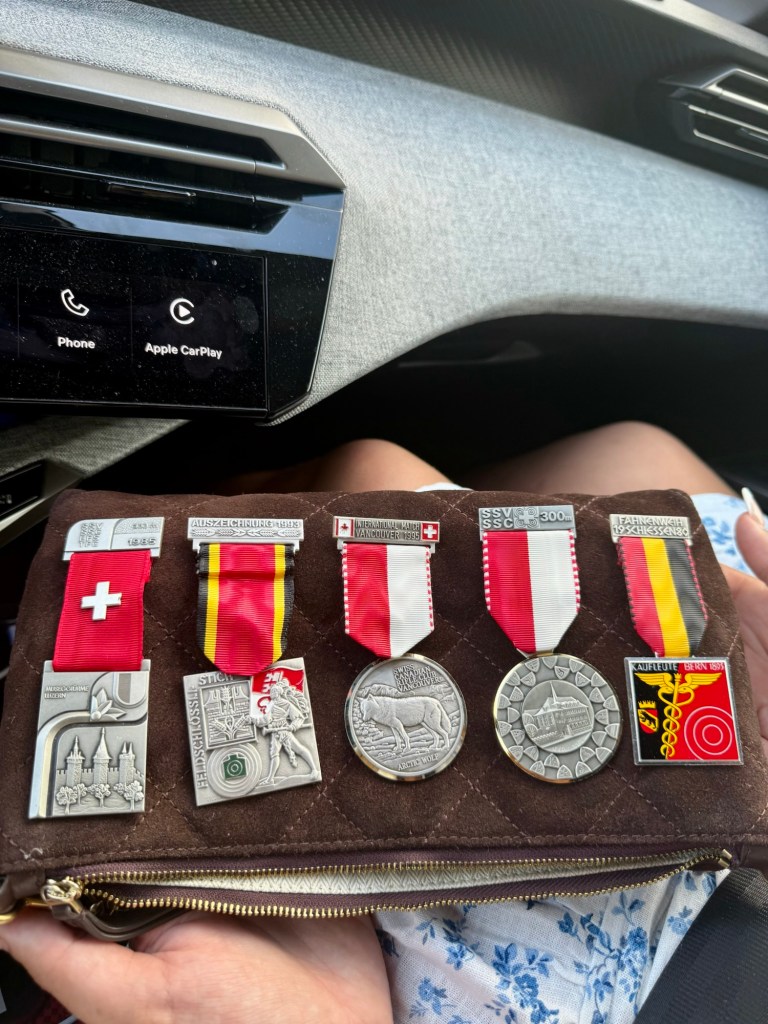
What else can I say? Switzerland turns out to be a fascinating country in the most unexpected ways.
Discover more from "The world is your oyster".
Subscribe to get the latest posts sent to your email.

We visited Bern recently and loved it, it felt really untouristy and real – but yes, the prices are a bit eye-watering!
LikeLiked by 1 person