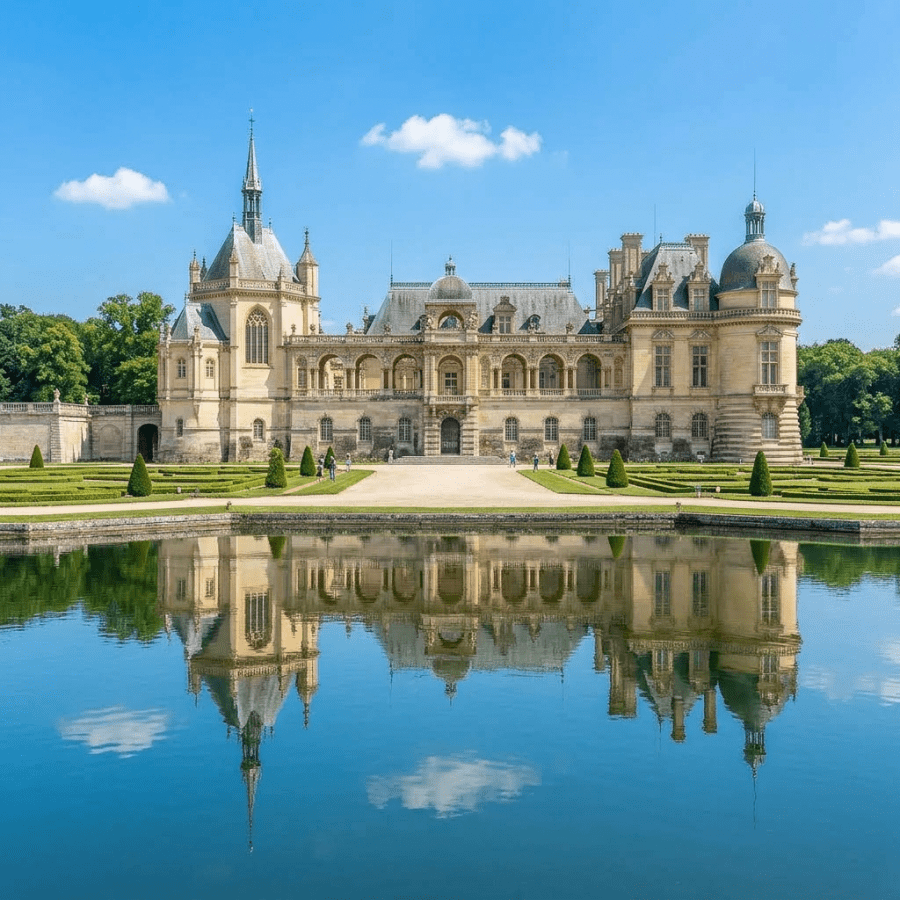
Our visit yesterday had the calm, gentle feeling of a well‑deserved vacation morning. We set off toward Château de Chantilly without any big expectations, but with that pleasant curiosity that follows you when you’re about to discover a new place. And honestly, from the very first moments I found myself wondering how on earth this castle isn’t featured in every travel guide around Paris. 😳 It truly feels like a hidden gem, kept secret on purpose so only those patient enough to look for it can find it.
The trip to Chantilly is fairly short: you take the metro in Paris, switch lines a few times — because here you simply can’t avoid that — then hop on the RER train, and in less than an hour you’re there. Once we arrived at the Chantilly train station, we took a taxi to the castle — it’s another 4–5 km on foot, and we preferred to save our energy for the visit, not for a walking marathon.
And here I have to make a very honest parenthesis: in Paris, you walk. A lot. And fast. Everyone is rushing somewhere, eating a croissant on the go — same with the coffee — weaving through crowds, and the traffic… well, the traffic is a “symphony” of honking and stress. Everything here means going up and down metro stairs, passages, steps, ramps — a full cardio workout without even trying. I think I discovered muscles and tendons in my legs I didn’t even know existed. So yes, you need to be in somewhat decent shape when you come here — especially for those of us from North America, used to taking the car even to the corner instead of using our legs.
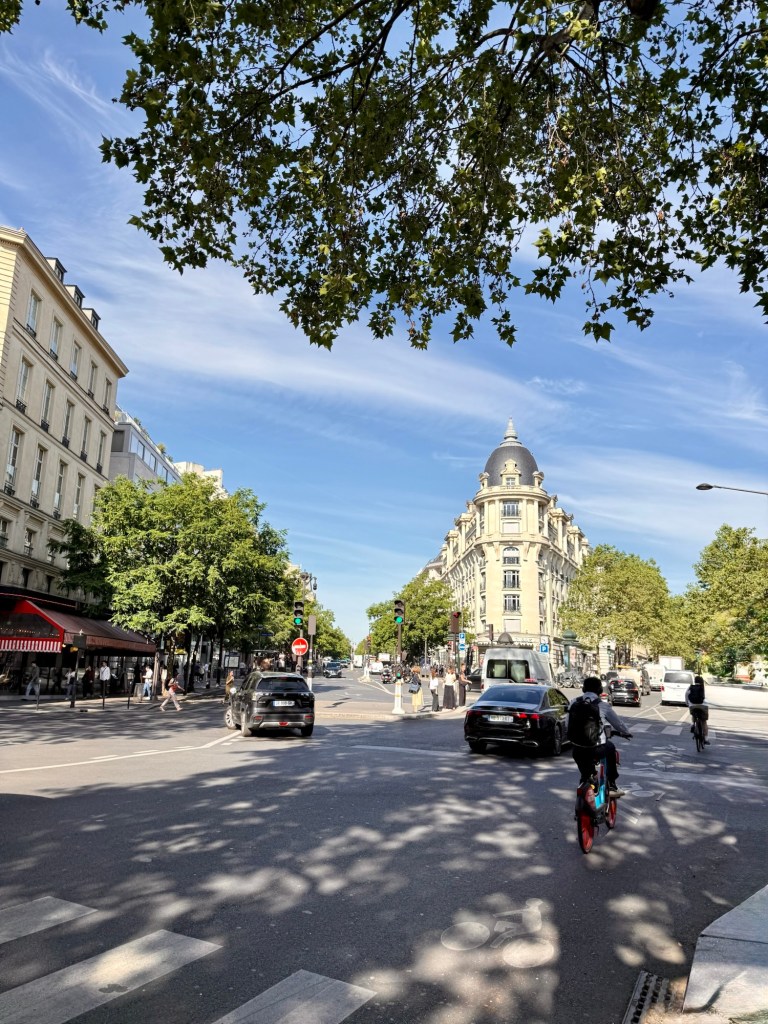
Back to Chantilly: as we approached the castle in a taxi driven by a Maghrebi gentleman who smelled intensely of freshly fried fish — a “true French local,” as he proudly told us 😆 — I had the feeling we were entering another era. Chantilly isn’t just a historic building; it’s a universe of its own.
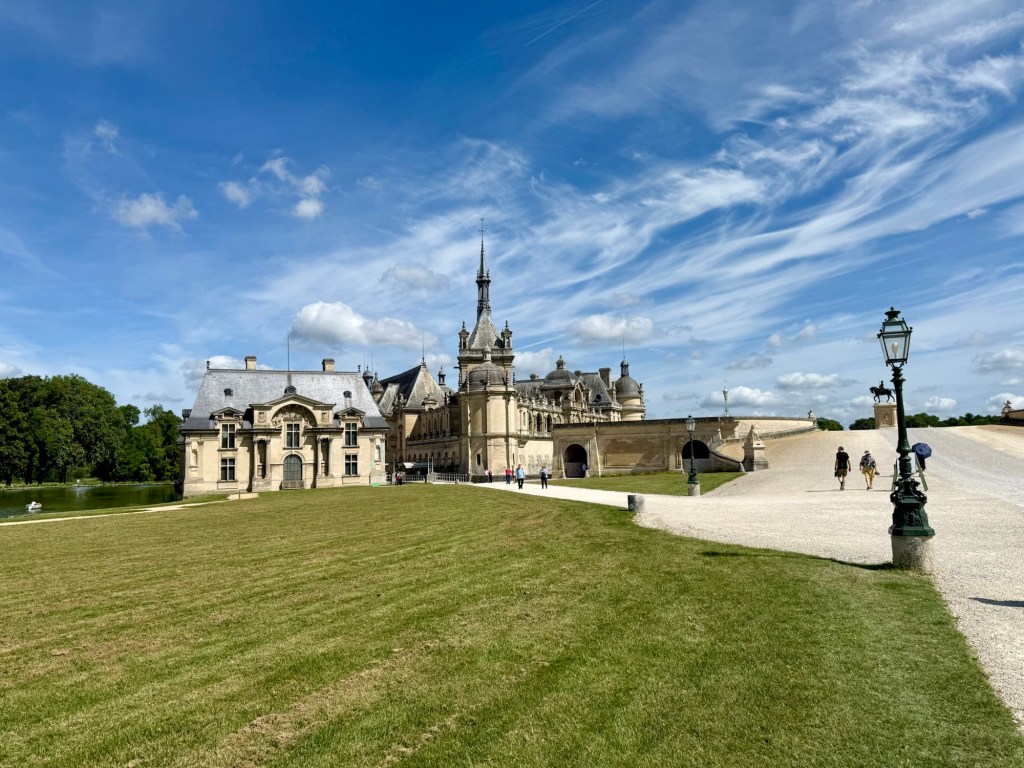
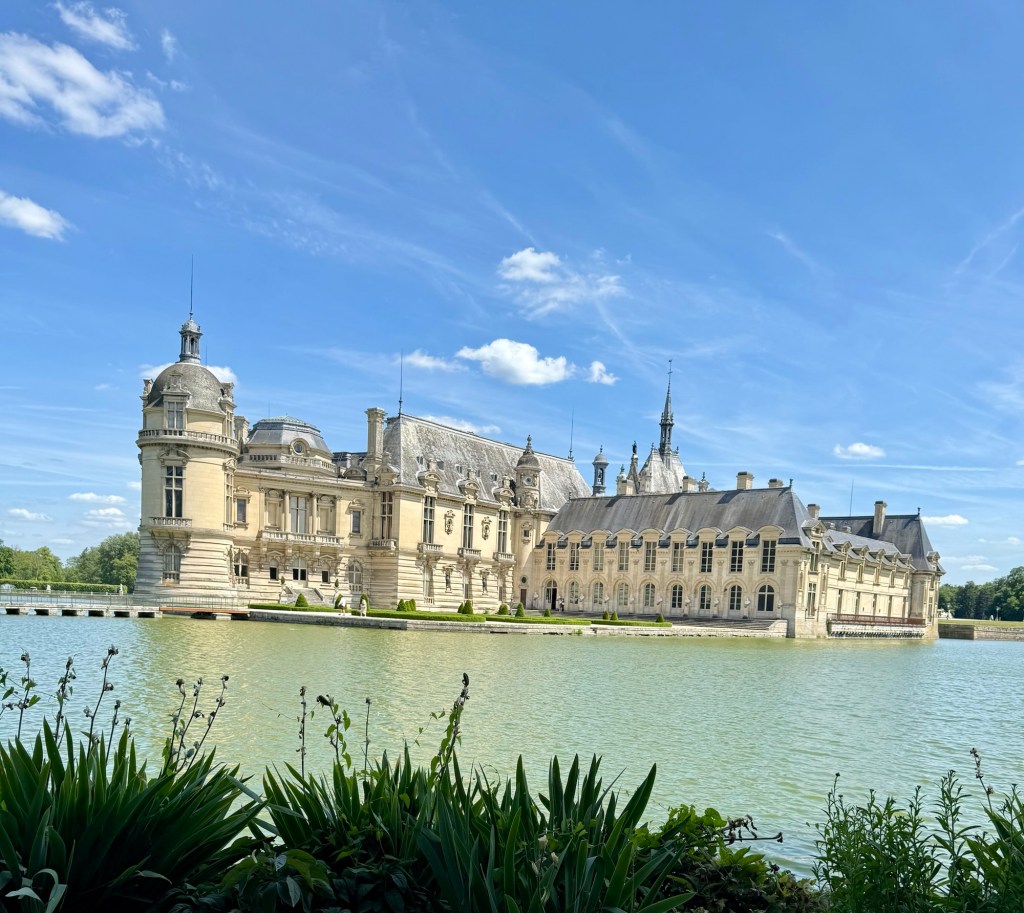
Chantilly belonged to noble families and witnessed stories of power, art, and passion. And the way we see it today is thanks to the Duke of Aumale, an extraordinary man who loved art so deeply that he turned the castle into a living museum.
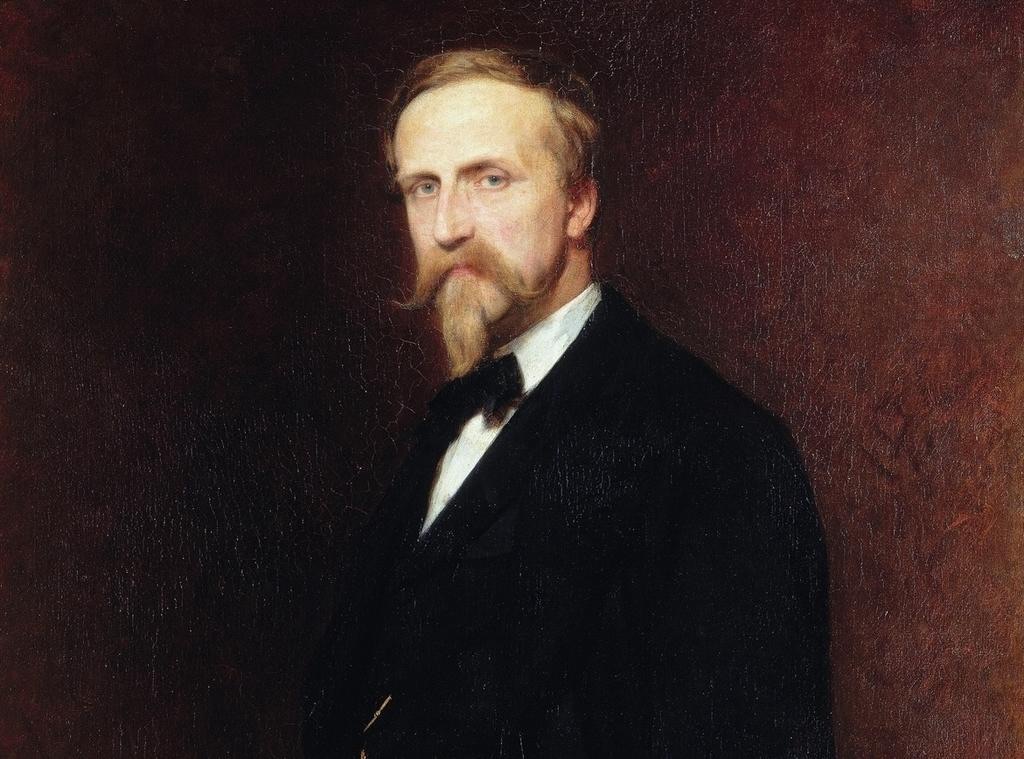
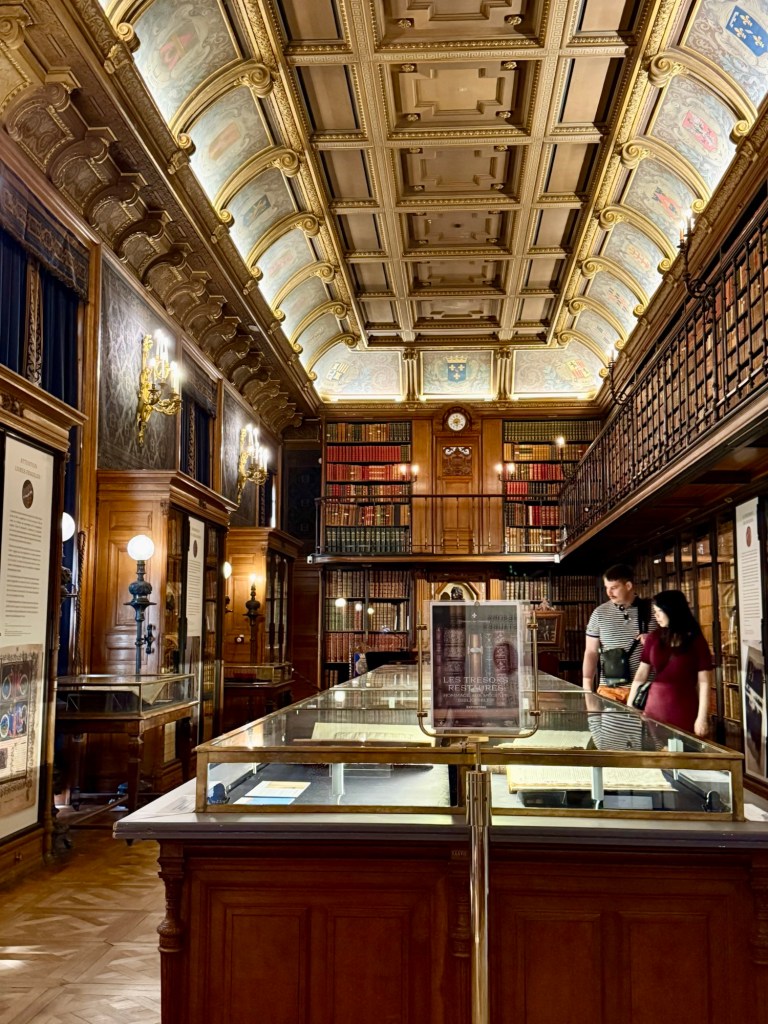
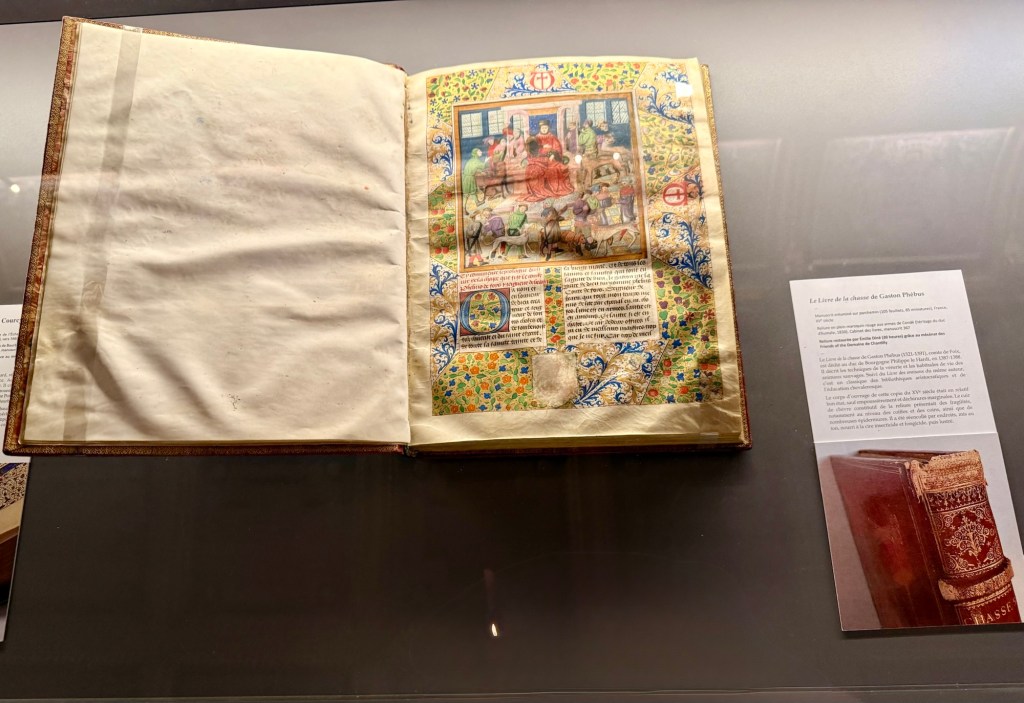
Unfortunately, the Duke of Aumale had no children to inherit the estate. So he did what felt most natural for someone who had devoted his life to art: he installed his collections of paintings, drawings, and rare books here, then left the entire estate to the Institut de France, under the name Musée Condé. He imposed two very clear conditions: the artworks must never be loaned out, and the display must never be altered. That’s why the museum has that slightly “old‑world” feel — exactly as he designed it, preserved like a time capsule.
Every room seems to tell a story, every painting hides a secret, every object carries a memory. It’s the kind of place where you don’t just look — you feel invited to discover, to listen, to step into its story.
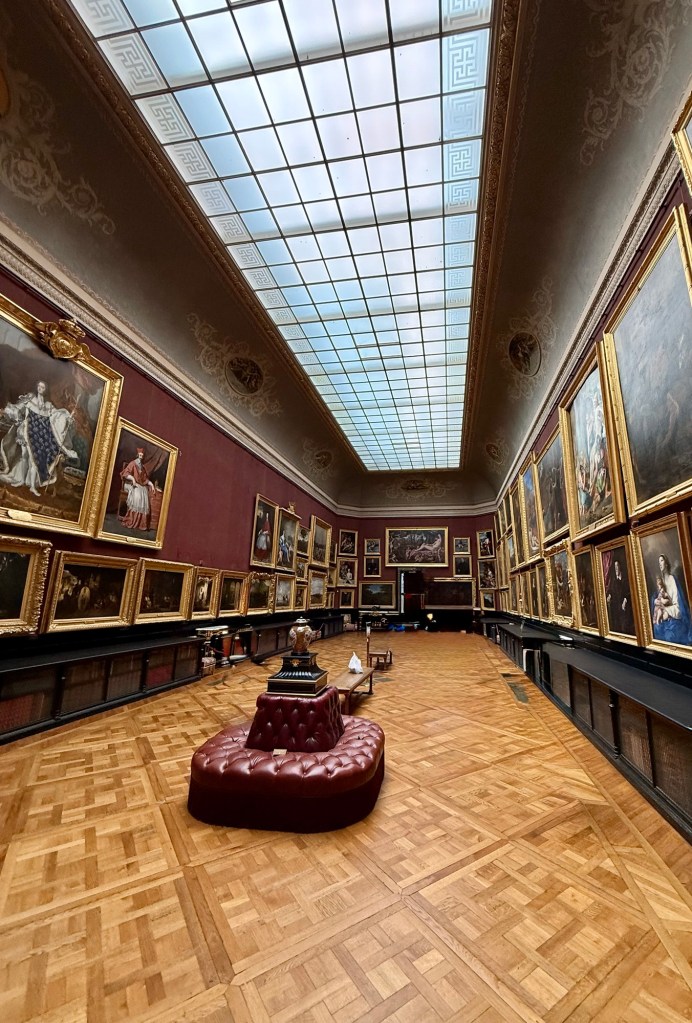
Botticelli’s Autumn, Piero di Cosimo’s Portrait of Simonetta Vespucci, and Raphael’s Three Graces and Madonna of Loreto.
Inside, everything is preserved exactly as it was left. Nothing is modernized, nothing is “cleaned up” from the charm of the old. You get the impression the owner just stepped out of the room and might return at any moment.
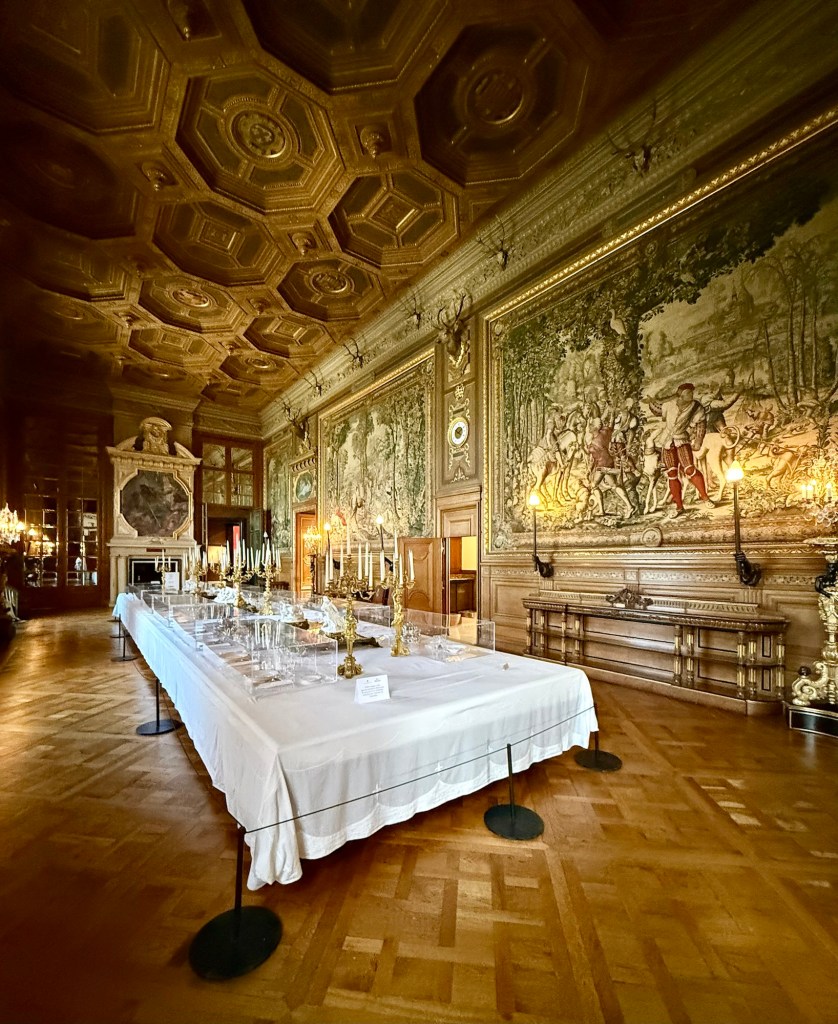
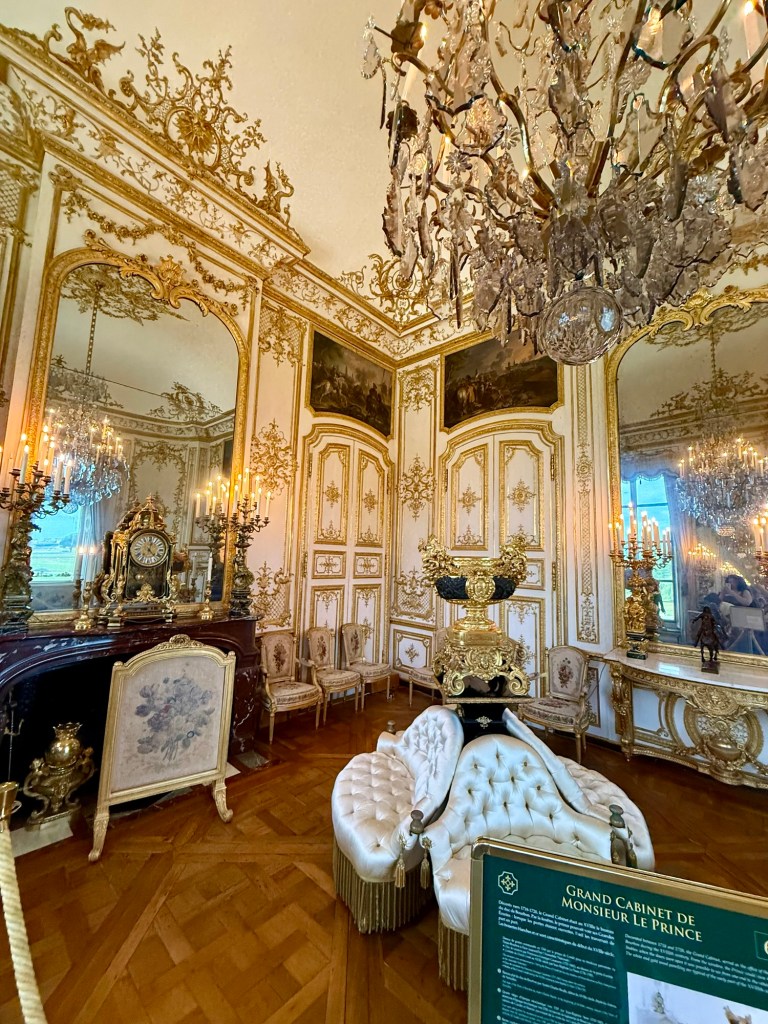
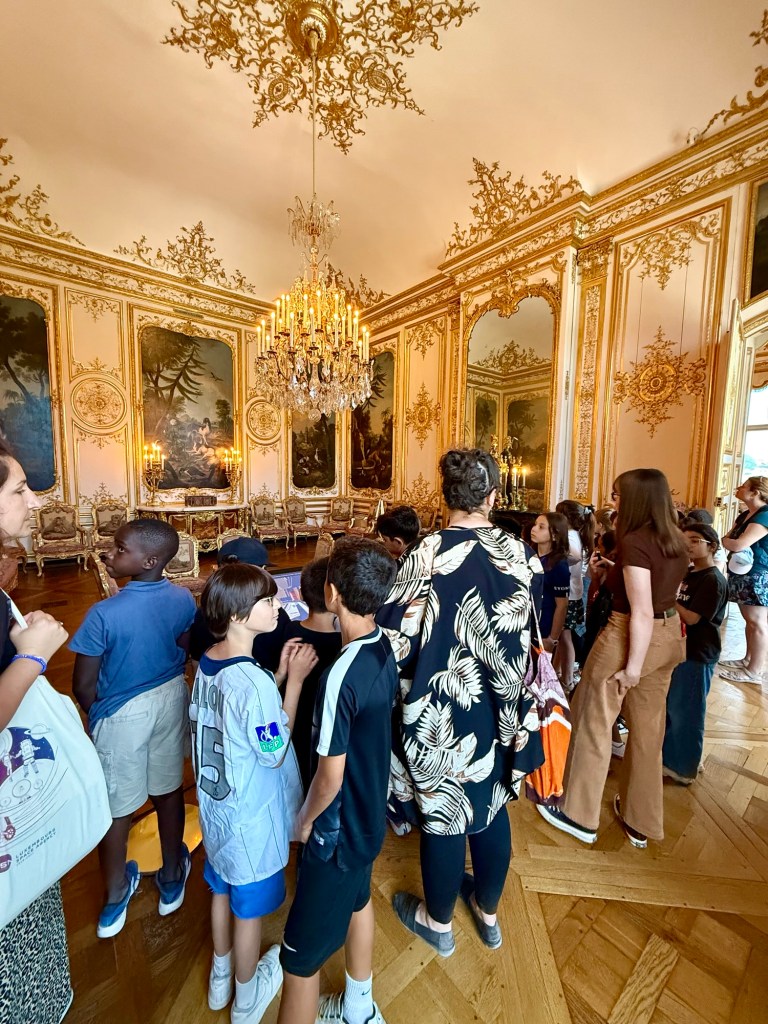
Then, like an unexpected chapter, you discover that the famous crème Chantilly was born here. The story goes that François Vatel, the castle’s master chef, perfected the recipe for the lavish banquets of the 17th century. Maybe whipped cream already existed, but here it received its name, its elegance, and its legend.
The gardens are a novel in themselves: part French — orderly and symmetrical; part English — freer and more romantic; and rustic corners that look like they were taken straight out of an idealized village. Every path leads you into a new chapter.
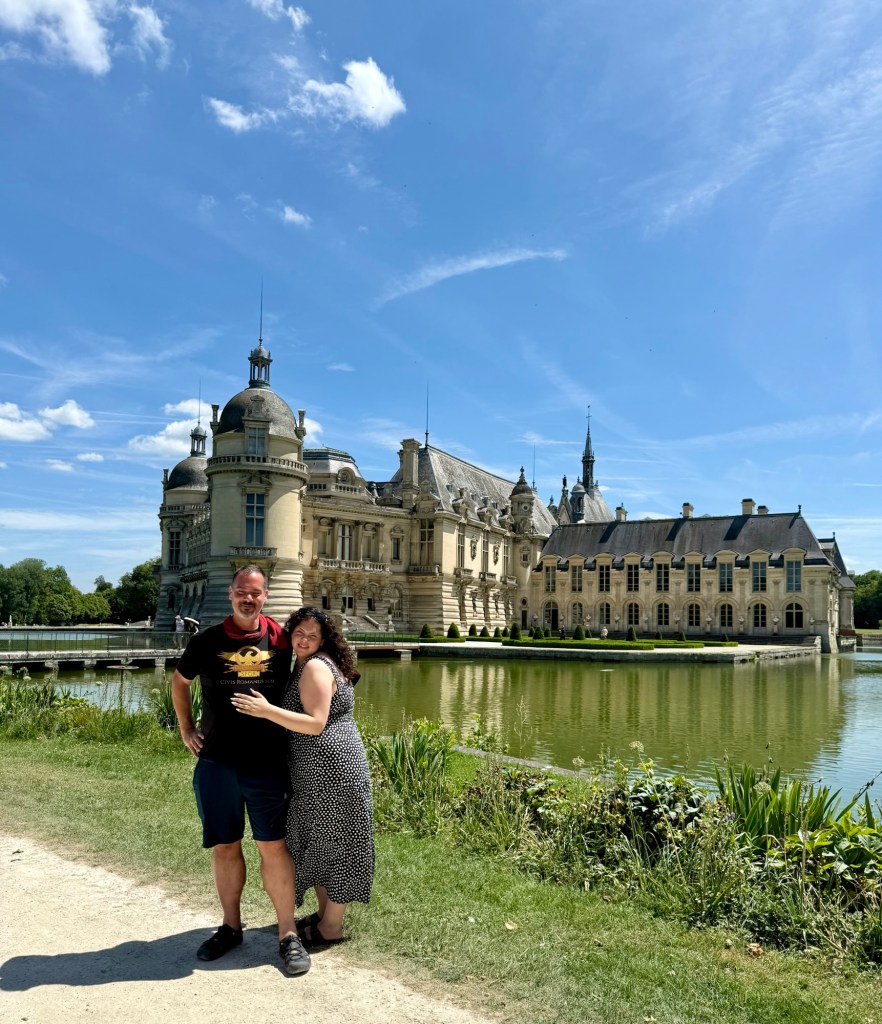
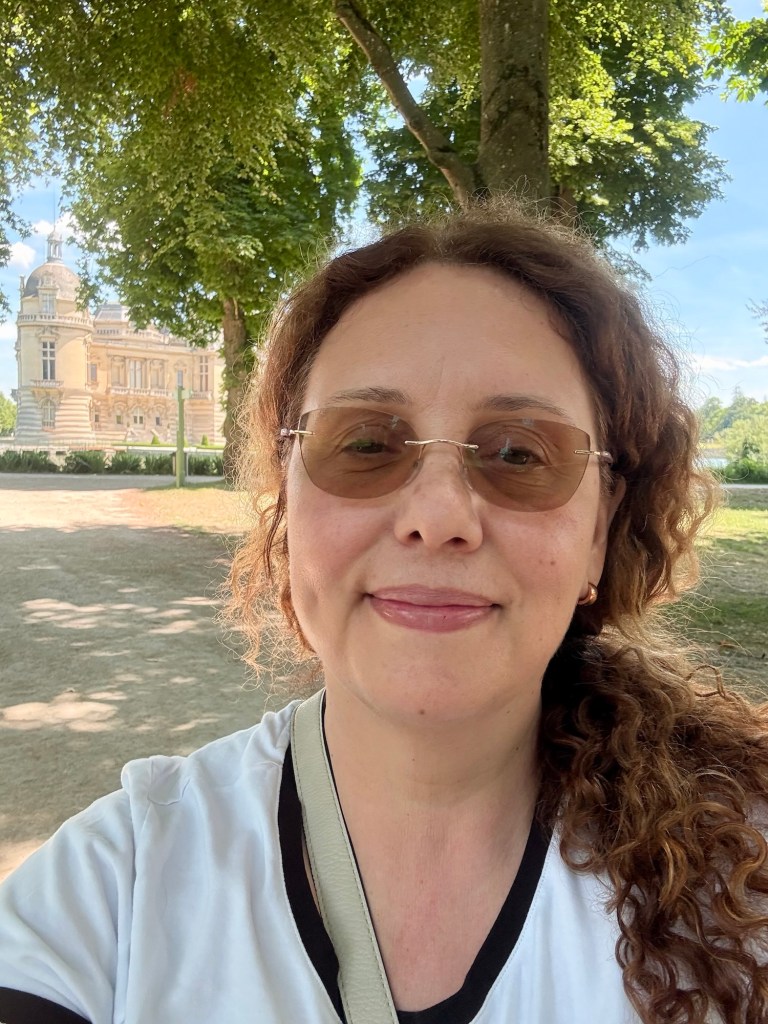
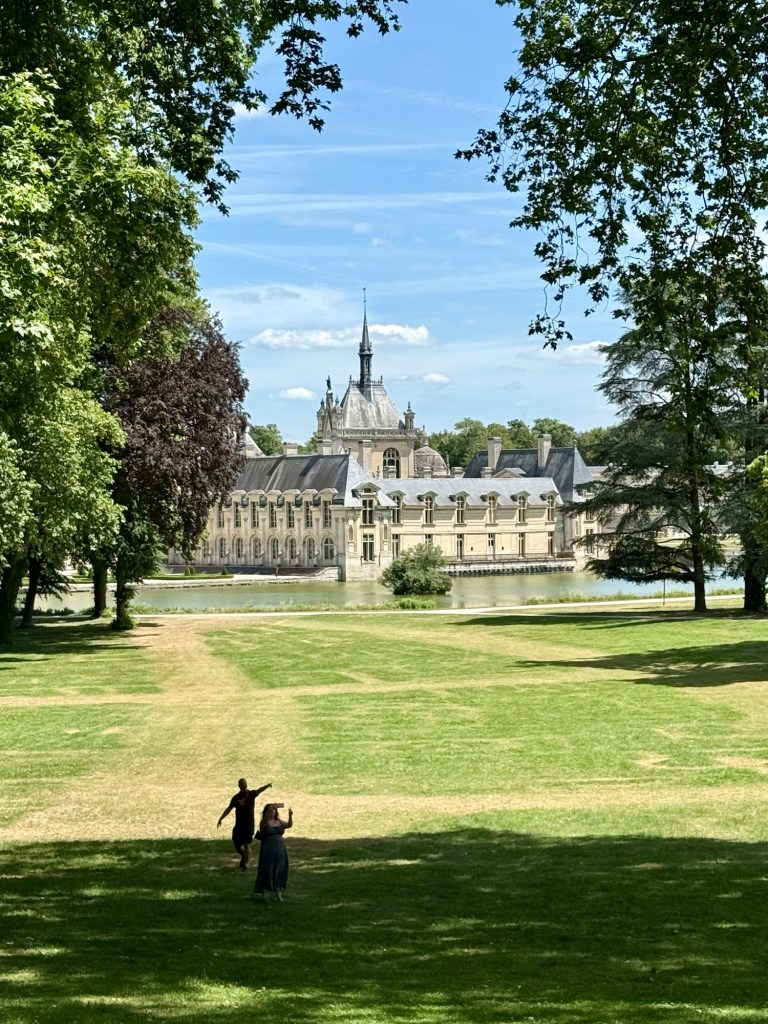
Just like at Versailles, we rented a little cart to explore the gardens. And honestly, I wholeheartedly recommend it — especially if you’re like us, clocking 15–20 km of walking every day on vacation. The park of Château de Chantilly covers 115 hectares, so the idea of walking it end to end is pure fantasy. That little cart becomes your best friend: it drives you around, saves your legs, lets you admire the scenery without gasping for air, and preserves your energy for what truly matters — enjoying the place, not surviving it.

Next to the swan lake, we found an absolutely stunning peony garden, with every type and color imaginable. A little corner of paradise where the flowers seem to have bloomed just to make you stop, look, and forget the rest of the world for a moment.

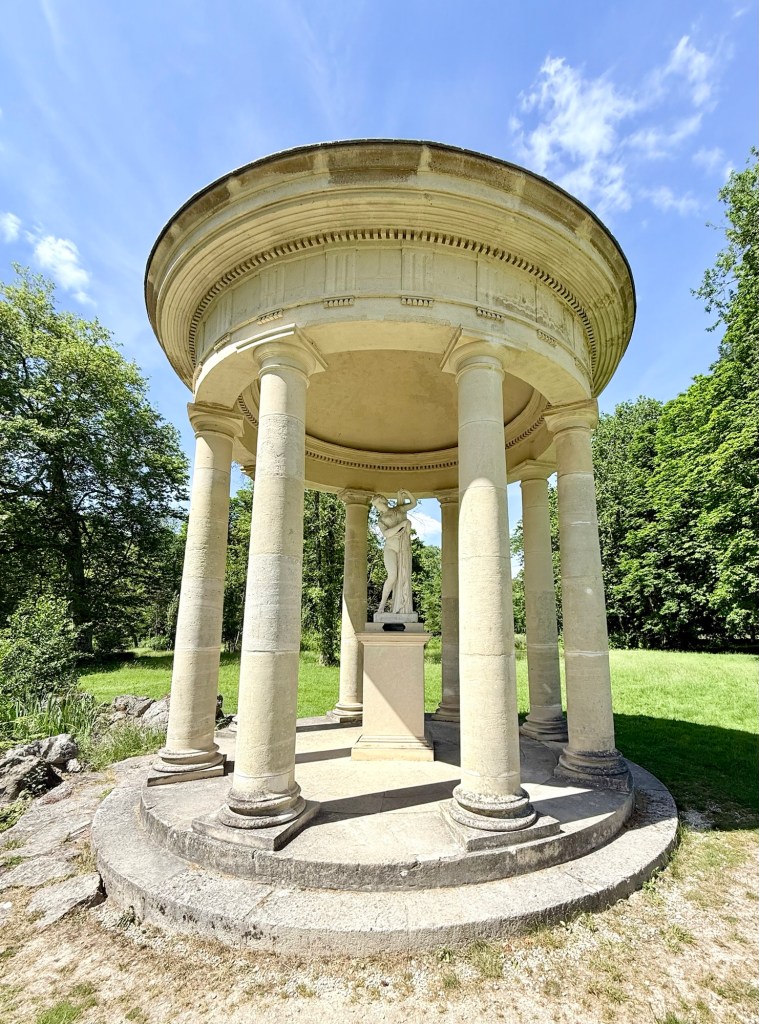
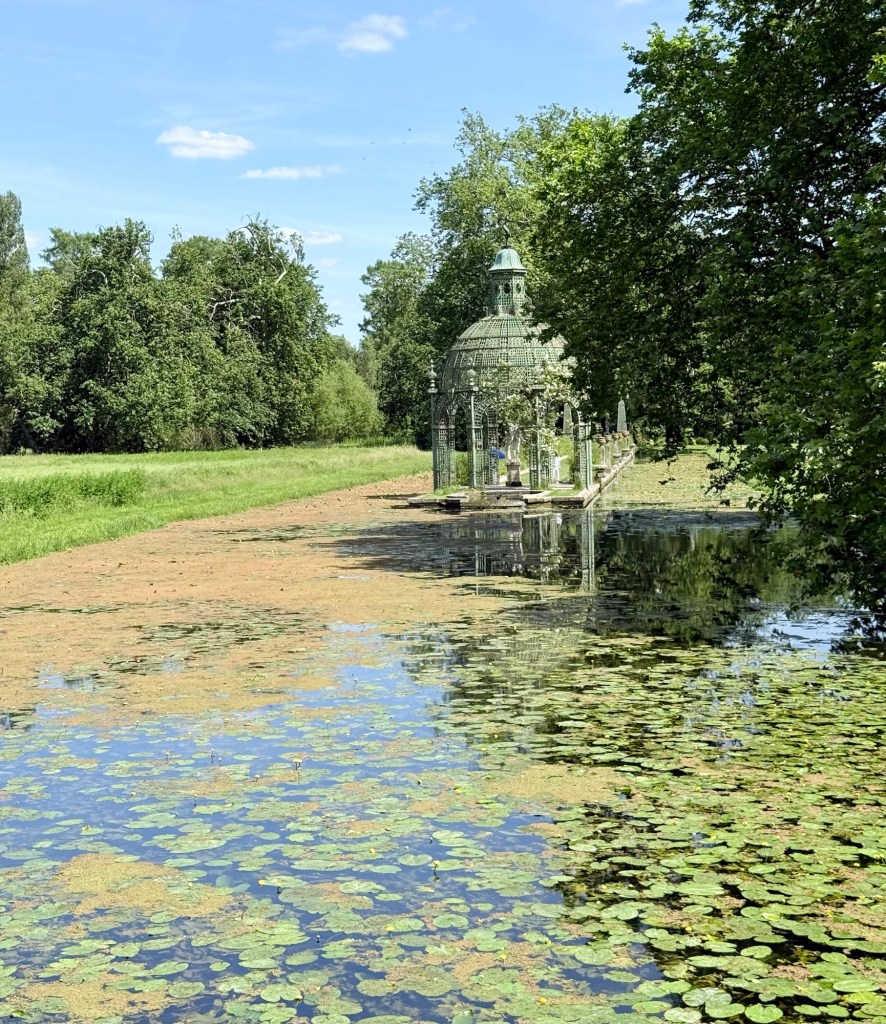
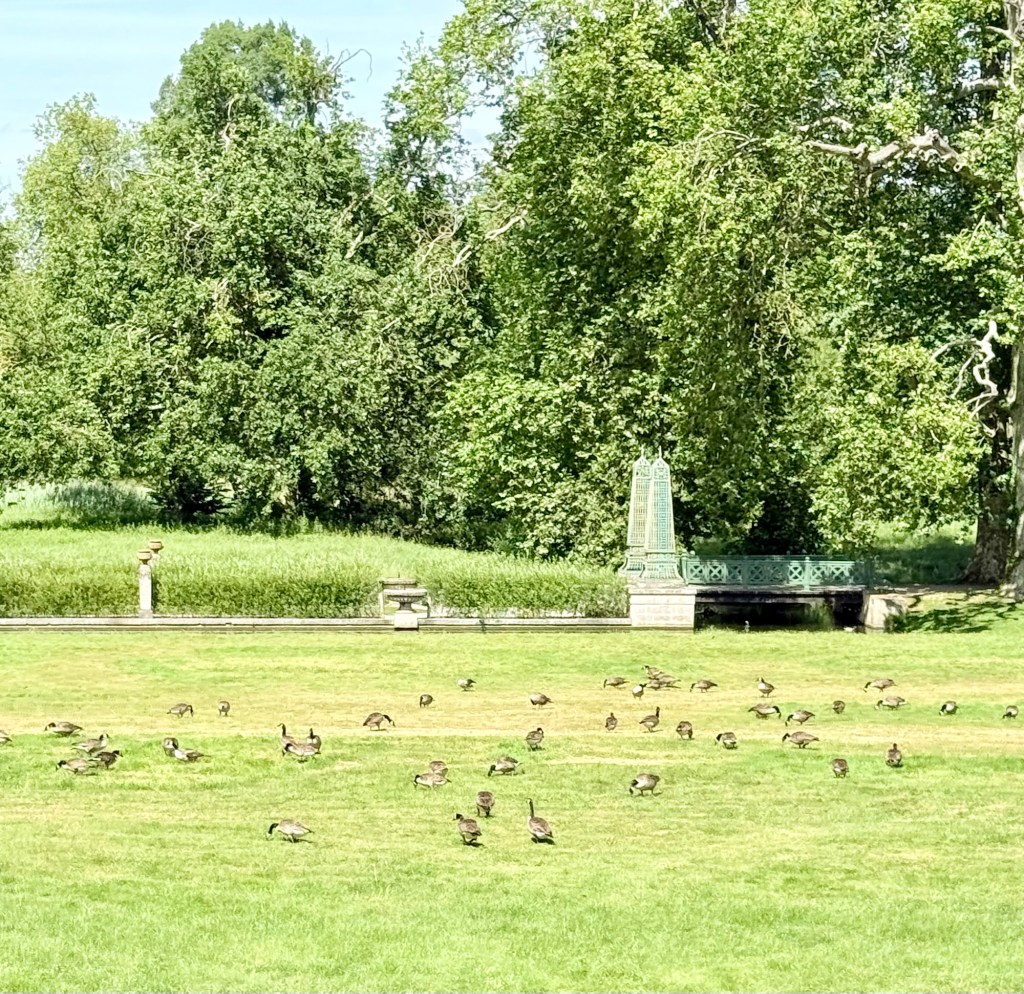
Were they imported all the way from Canada? Sounds unlikely.
Did they fly here on their own? Hard to believe, but not impossible — Canadian geese are known for their determination. Their presence felt completely out of place, but that’s exactly what made the scene so memorable.
Perhaps the most beautiful thing about Chantilly is the peace. It doesn’t have the crowds of Versailles, it doesn’t have the masses pushing you from one room to another. Here, you have time. Time to walk, to observe, to breathe, to let yourself be carried by the story of the place.
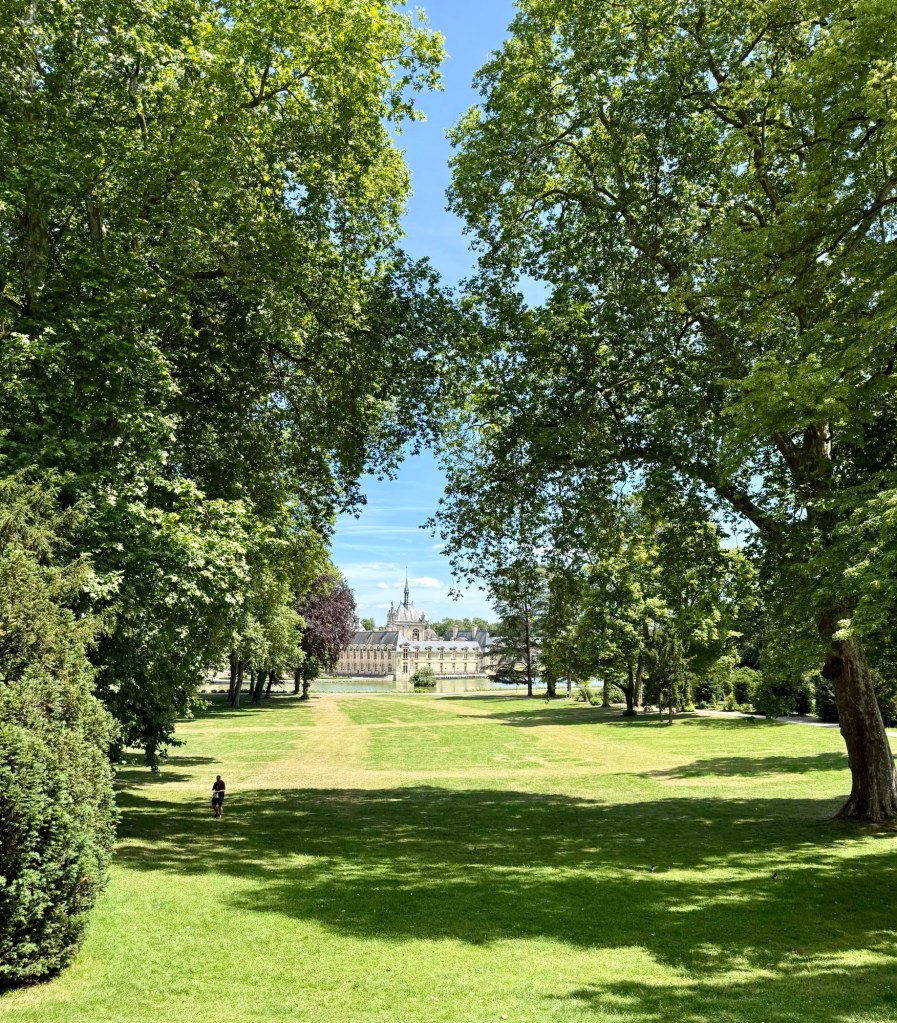
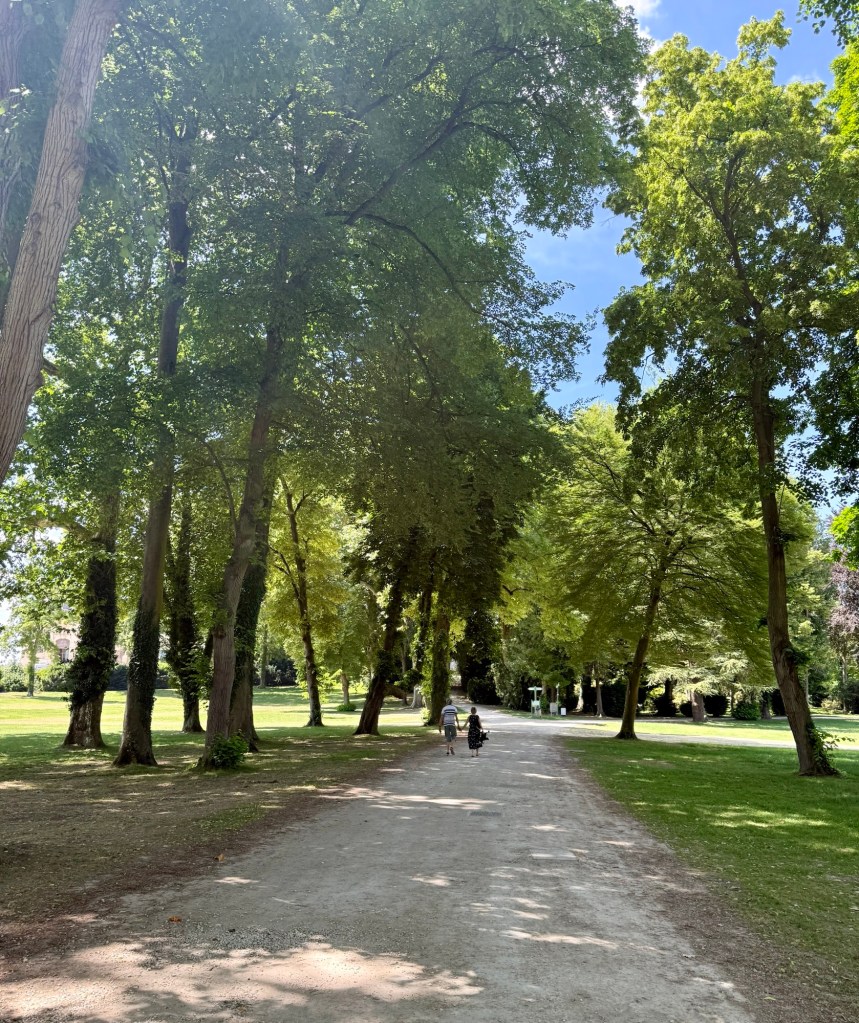
At the end of the day, we left with a feeling that’s hard to put into words, as if we had stumbled upon a place that doesn’t reveal itself to just anyone. Chantilly has something of its own — a quiet kind of magic that unfolds only for those who take the time to look, to feel, to listen. It’s not the kind of castle you check off a list and move on — it’s a place that sticks to you, gently, like a story whispered softly, only for those willing to hear it to the end.
Discover more from "The world is your oyster".
Subscribe to get the latest posts sent to your email.
