Yesterday felt like a kind of D‑Day for us: we finally managed to escape the “ghetto” of the 20th arrondissement. We are saved, whole, and unharmed — though we’re left with a slight post‑traumatic twitch that makes us look obsessively in every direction when we walk down the street, just in case we step into… something, whether human or animal. We’re now staying in the 9th arrondissement, much cleaner and much more central. The streets are still noisy, crowded, full of honking and commotion, but the atmosphere feels more civilized and breathable than in the 20th. I swear I was one step away from crying with joy when we entered the new place. Clean, spacious, no smell of garbage fermenting in the sun, chic little shops everywhere… basically, civilization. I almost couldn’t believe it.
But back to more pleasant things: yesterday we spent almost the entire day at Versailles. In an ideal world, this place would deserve several days of exploration, but we only managed to dedicate one. There’s so much to discover there that I feel even a whole week wouldn’t be enough. In any case, we checked off the essential highlights, but it’s clear we’ll have to return.
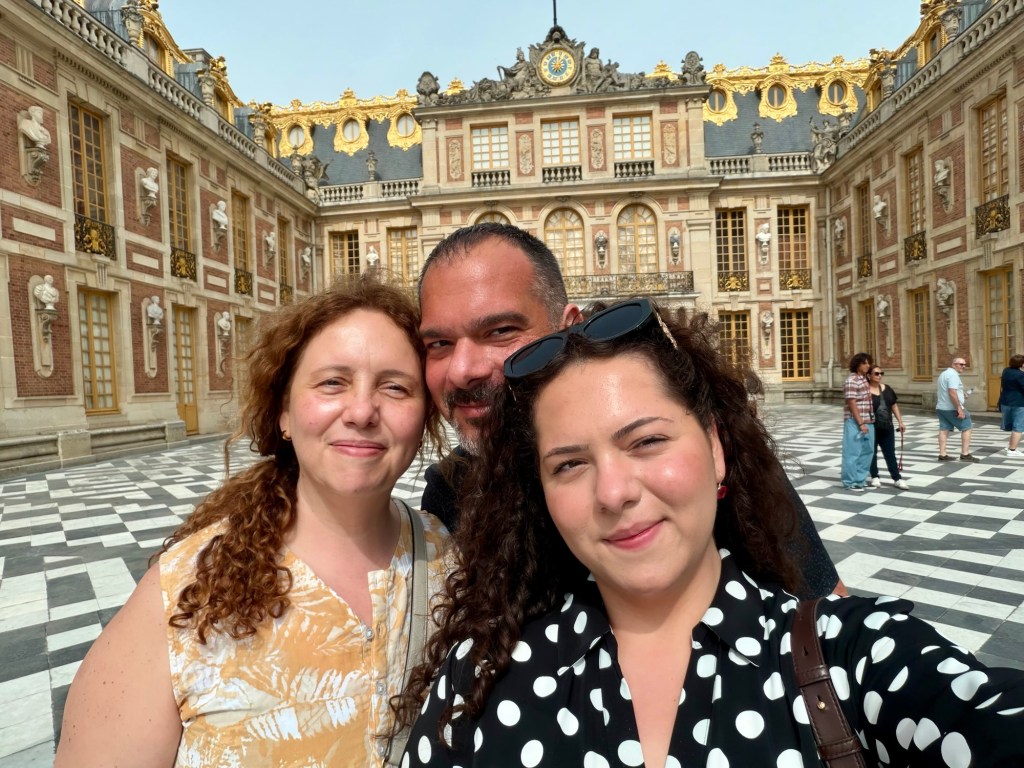
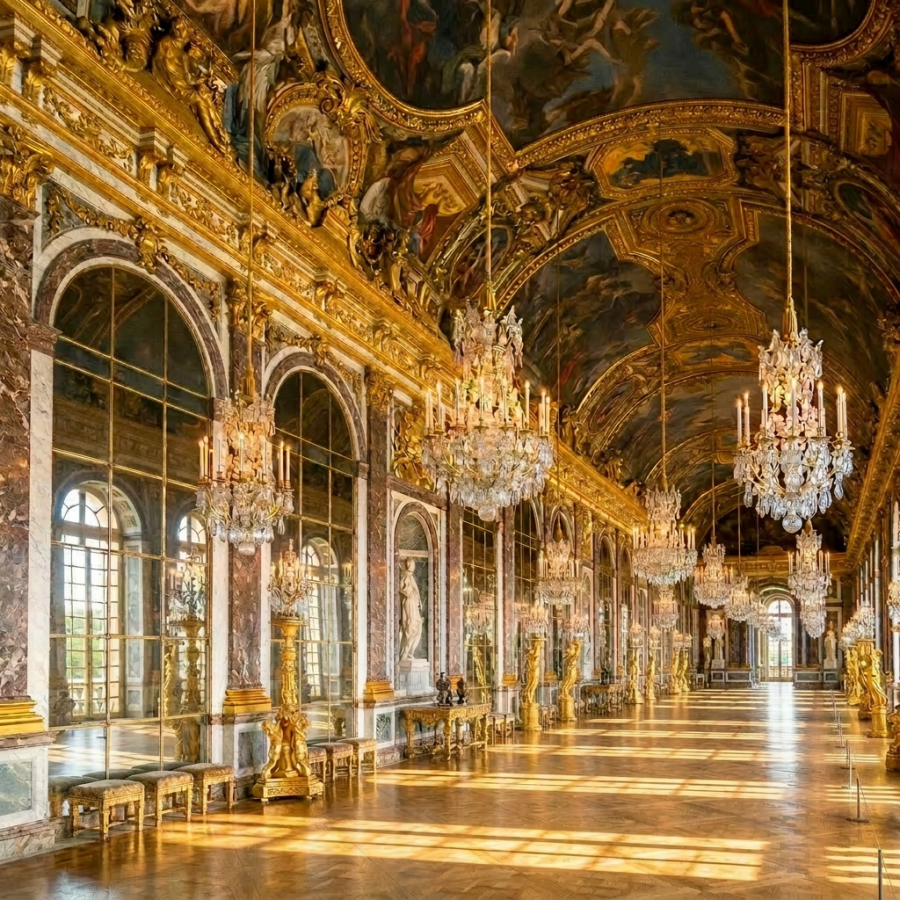
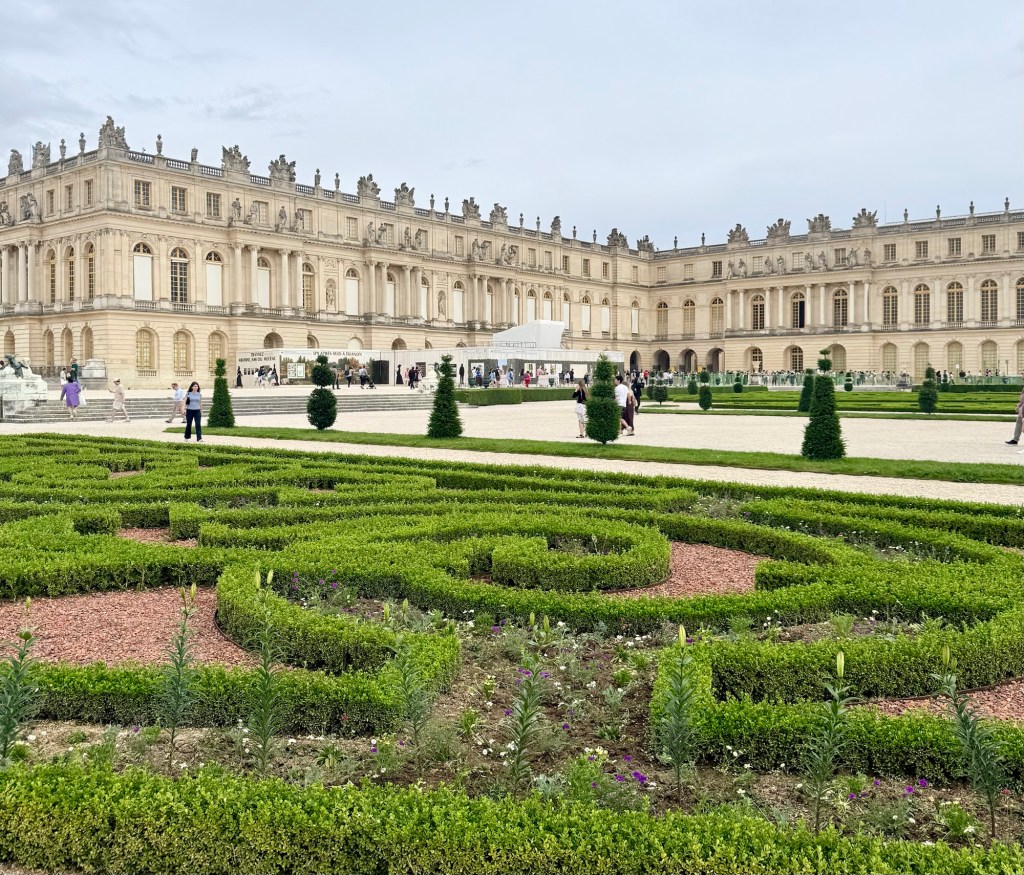
The Palace of Versailles, located about 20 km from Paris, is one of the most grandiose symbols of the French monarchy. Initially a modest hunting lodge, it was transformed in the 17th century by Louis XIV into a spectacular palace and the political center of France. Versailles wasn’t just a royal residence — it was a tool of power, where the king controlled the lives of the nobles through strict protocol and rigid etiquette.
Lesser‑known facts:
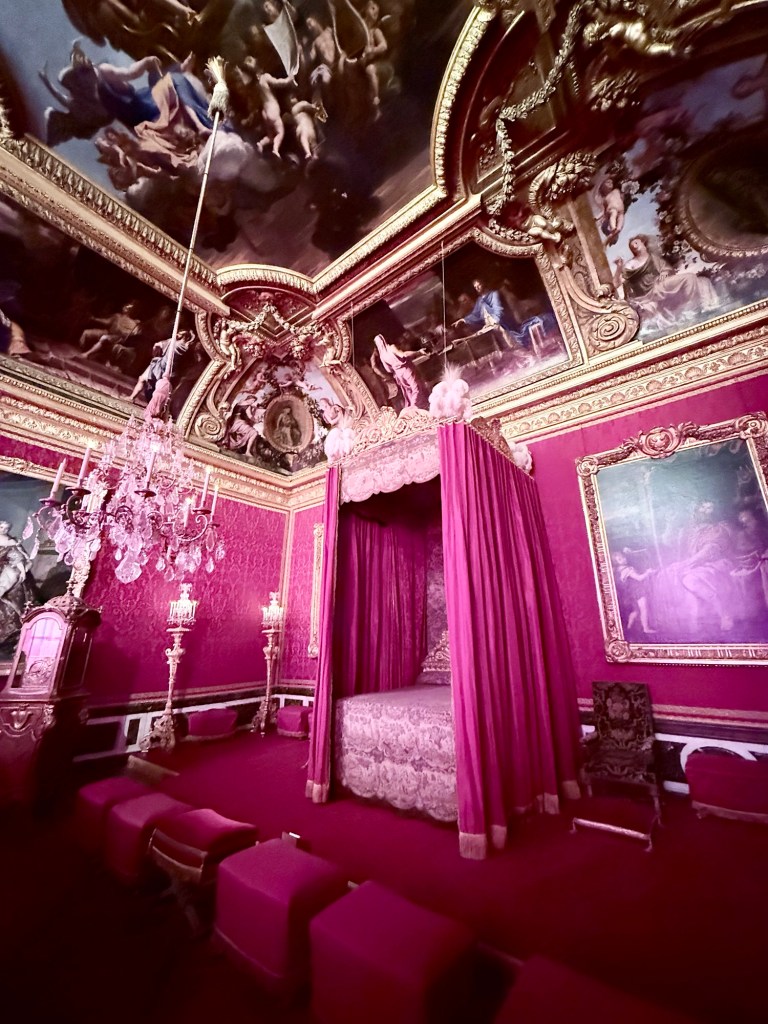
Life at court was extremely regulated: even simple gestures, like the king’s waking or dressing, were true public ceremonies.
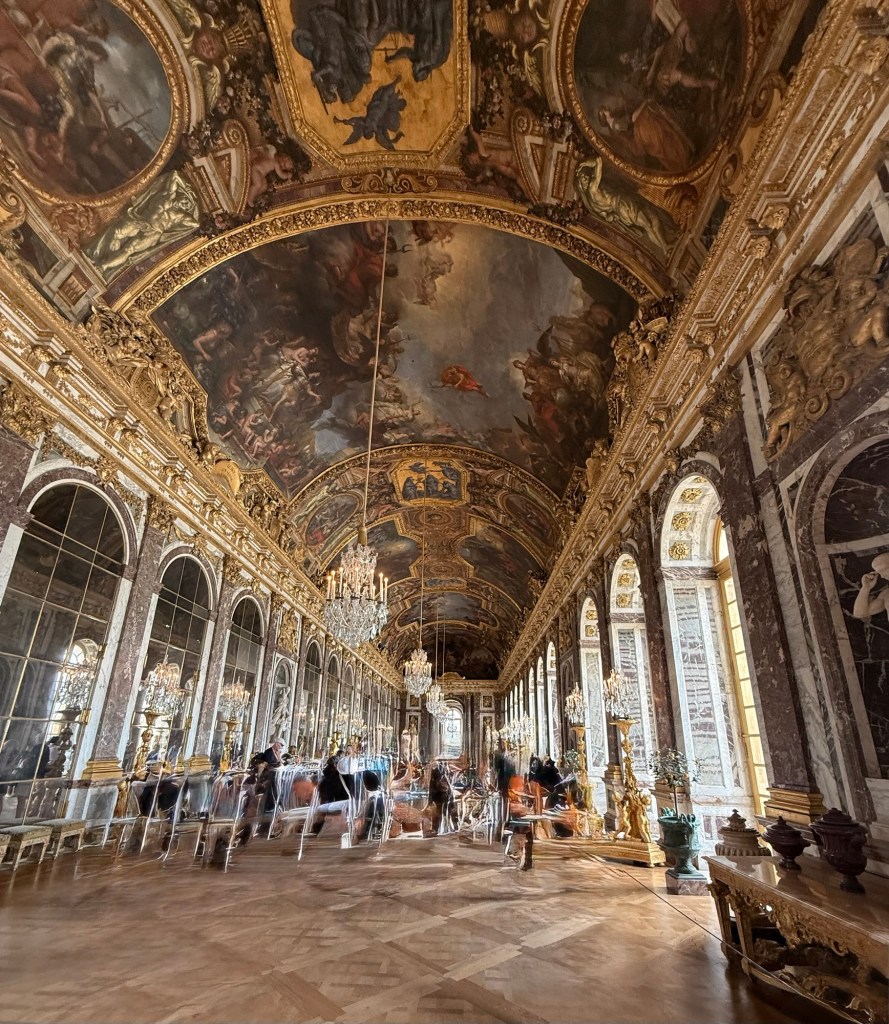
The Hall of Mirrors wasn’t just decorative — it symbolized France’s power, as mirrors were a rare and expensive luxury at the time.
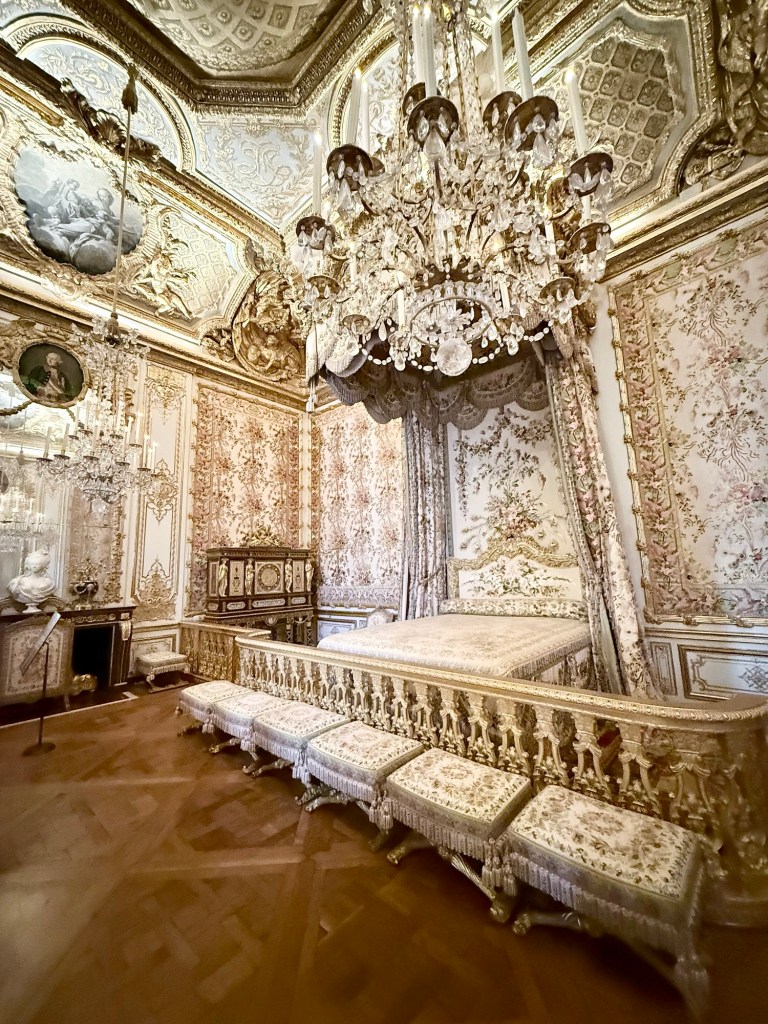
The palace had over 700 rooms, but conditions weren’t always comfortable — heating was poor, and hygiene was limited. Nobles were encouraged to live at Versailles, where they were kept busy with court life, reducing the risk of rebellion.
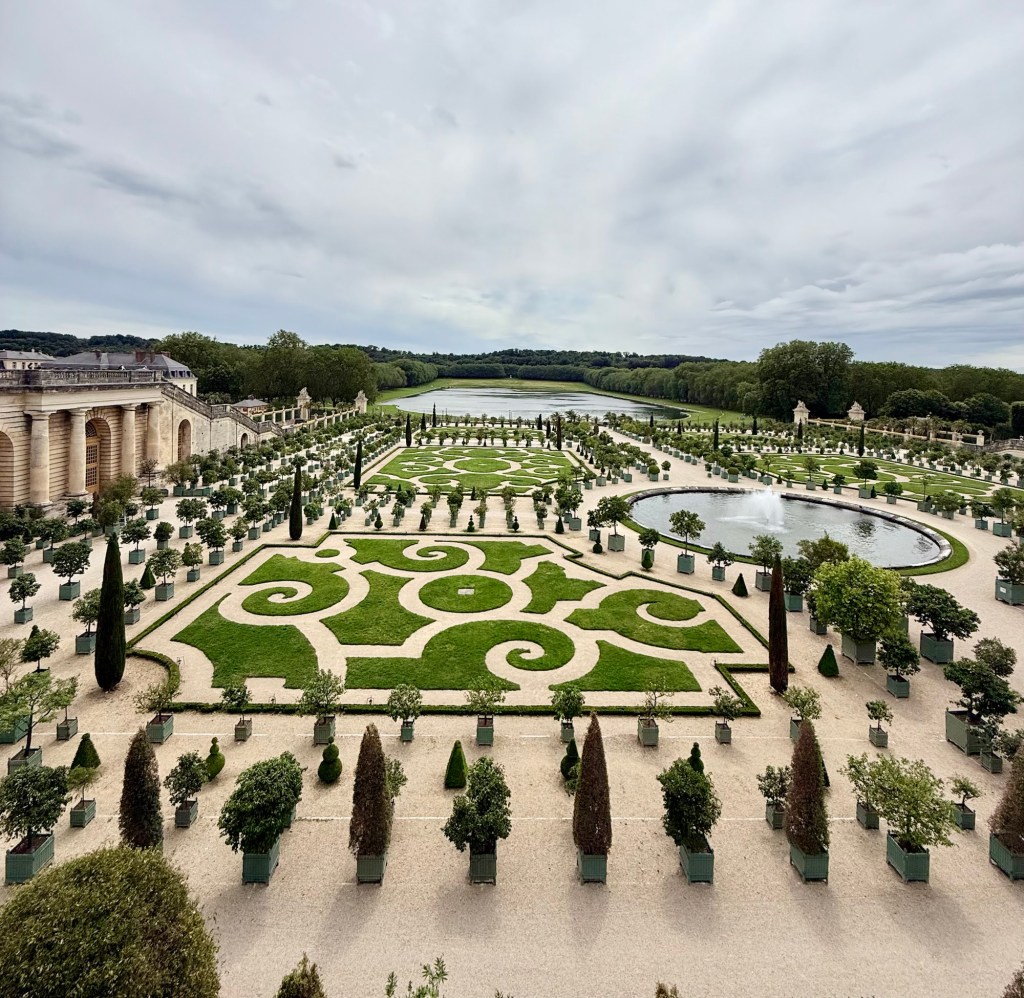
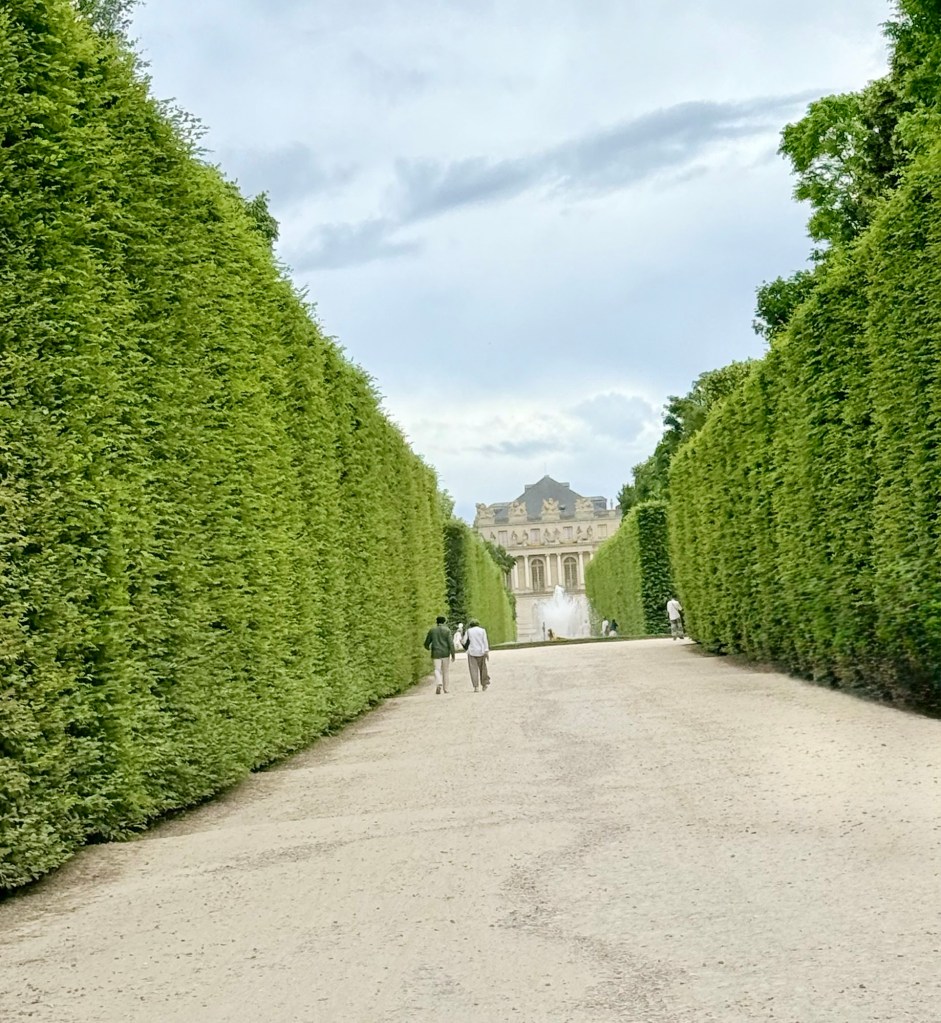
The gardens aren’t just decorative — they are a perfect example of “disciplined” nature, symbolizing the king’s absolute control over order.
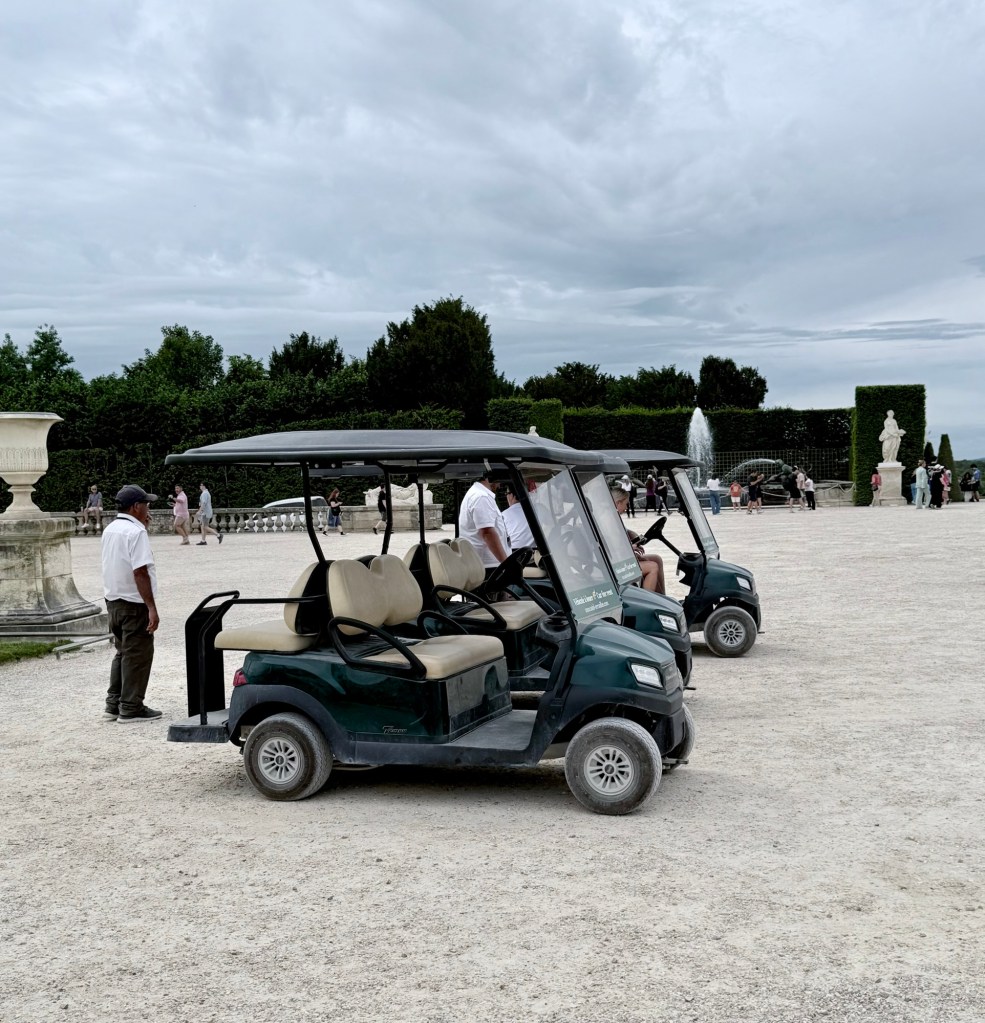
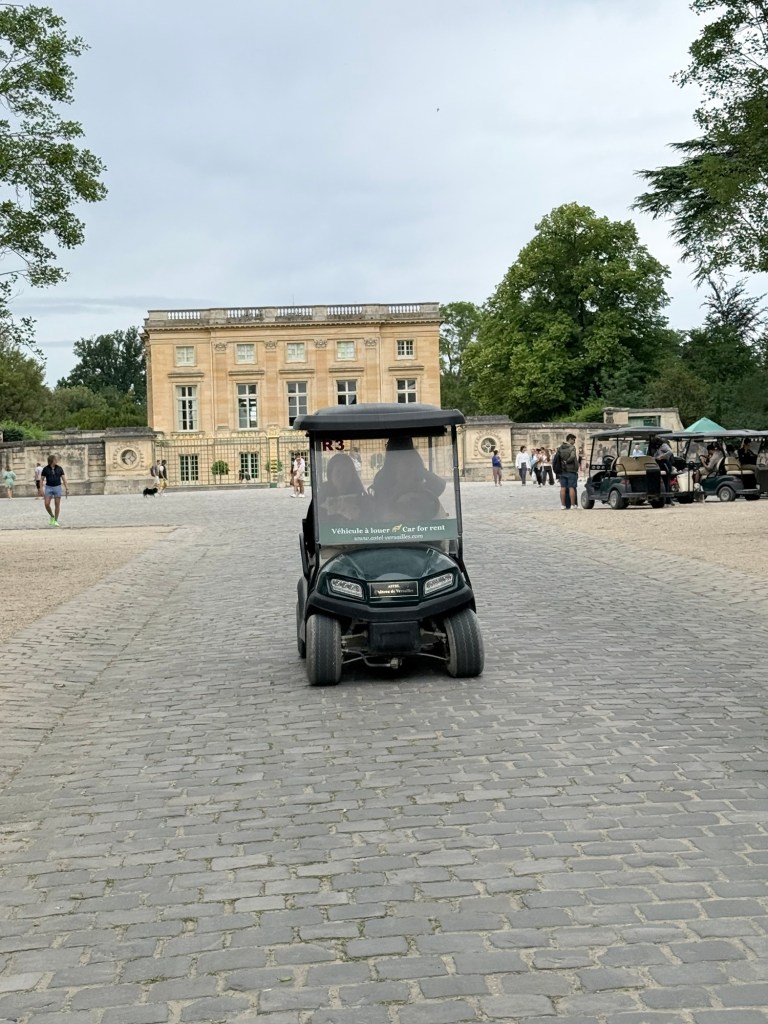
We rented a little car like the one below so we could freely explore the vast gardens of Versailles, because after five hours of walking our feet simply couldn’t take it anymore.
At Marie Antoinette’s estate there is an “artificial village,” where the queen would retreat to live an idealized life, far from the rigidity of the court. The palace was also the scene of major historical events, including the beginnings of the French Revolution.
Versailles is not just a palace — it’s a demonstration of power. Just a few kilometers from Paris, this place makes you truly understand what absolute monarchy meant in France. Transformed by Louis XIV into a symbol of total control, Versailles became the stage on which the king performed his authority before the entire nobility.
Everything here is designed to impress: from the Hall of Mirrors, where light reflects endlessly, to the perfect gardens that look more drawn than natural. But beyond the beauty, Versailles tells a story of power, control, and excess.
The king’s life was a spectacle: nobles attended his waking and bedtime as if it were an official ritual.
The mirrors in the famous gallery were an extreme luxury — France competed directly with Venice for this technology.
Despite its opulence, the palace was often uncomfortable: cold in winter, unpleasant smells, and a lack of privacy.
Nobles were “invited” to stay at Versailles to be kept under control — almost prisoners of luxury.
The gardens are a symbol of absolute power: nature itself is ordered and controlled. Marie Antoinette’s rustic village shows her desire to escape the rigidity of court life.
Despite its splendor, Versailles is also one of the places that indirectly contributed to the fall of the monarchy.
If Paris is emotion, Versailles is impact.
You don’t go there just to see a palace — you go to understand how far the idea of power and control can go.
Everything is impressive, but at the same time, if you look closely, you also see the less glamorous side behind the luxury.
Grand and Petit Trianon
Trianon is a term with multiple meanings, especially in Central and Eastern Europe: for some it symbolizes historical justice, for others an unfair decision. In reality, the name comes from a complex of elegant palaces next to the Palace of Versailles, originally built as retreats for the royal family.
The Trianon estate was created by Louis XIV, who wanted a more intimate space, far from the strict etiquette of the court. The first palace, called the “Porcelain Trianon,” was later replaced by the Grand Trianon, a marble building used for relaxation and festivities. Later, the Petit Trianon was built, a place closely associated with Marie Antoinette.
Over time, these palaces were used both as royal residences and by leaders such as Napoleon or the presidents of France. The name Trianon became famous worldwide in 1920, when the Treaty of Trianon was signed here — a major moment in European history.
The Treaty of Trianon, signed in 1920, is not just a historical document but a moment that changed the lives of millions. It essentially redrew the map of Europe after World War I, with entire territories shifting from one country to another overnight. For Romania, it had major significance: the treaty officially recognized the union of Transylvania with Romania, confirming a process begun in 1918 and consolidating the formation of Greater Romania. For many Romanians, it was a moment of national fulfillment. At the same time, for other countries — especially Hungary — it meant a painful loss of territory and identity. This contrast is precisely what makes it so important — and still sensitive — even today.
After seeing the almost overwhelming opulence of the Palace of Versailles, the Trianon area feels like a kind of “breathing break.” Everything here is calmer, more airy, and somehow closer to a normal life. The Grand Trianon and Petit Trianon were not built for ceremonies or displays of power, but for retreat — places where the king and queen could escape the rigid protocol of the court.
Walking through the gardens is the kind of experience that makes you slow down without even trying. They are so large and so well designed that you feel like you’re stepping from one “set” into another: wooded paths, quiet lakes, hidden corners that feel almost private.
Lesser‑known facts:
Le Petit Trianon was one of the few places where Marie Antoinette could decide who was allowed to enter — a rare luxury in a life that was otherwise extremely controlled.
Le Petit Trianon
Hameau de la Reine (The Queen’s Hamlet) wasn’t just decorative — it had animals, gardens, and real activities, but everything was arranged as an “idealized” version of country life.
At the Grand Trianon, the architecture is much more airy and bright, designed for comfort rather than to impress official guests. Unlike the main palace, here you can feel much more clearly the royal family’s desire for intimacy.
The gardens are so vast that many areas are almost empty of tourists, even on busy days. There are small “green rooms” hidden behind tall hedges, created especially for private walks and discreet conversations.
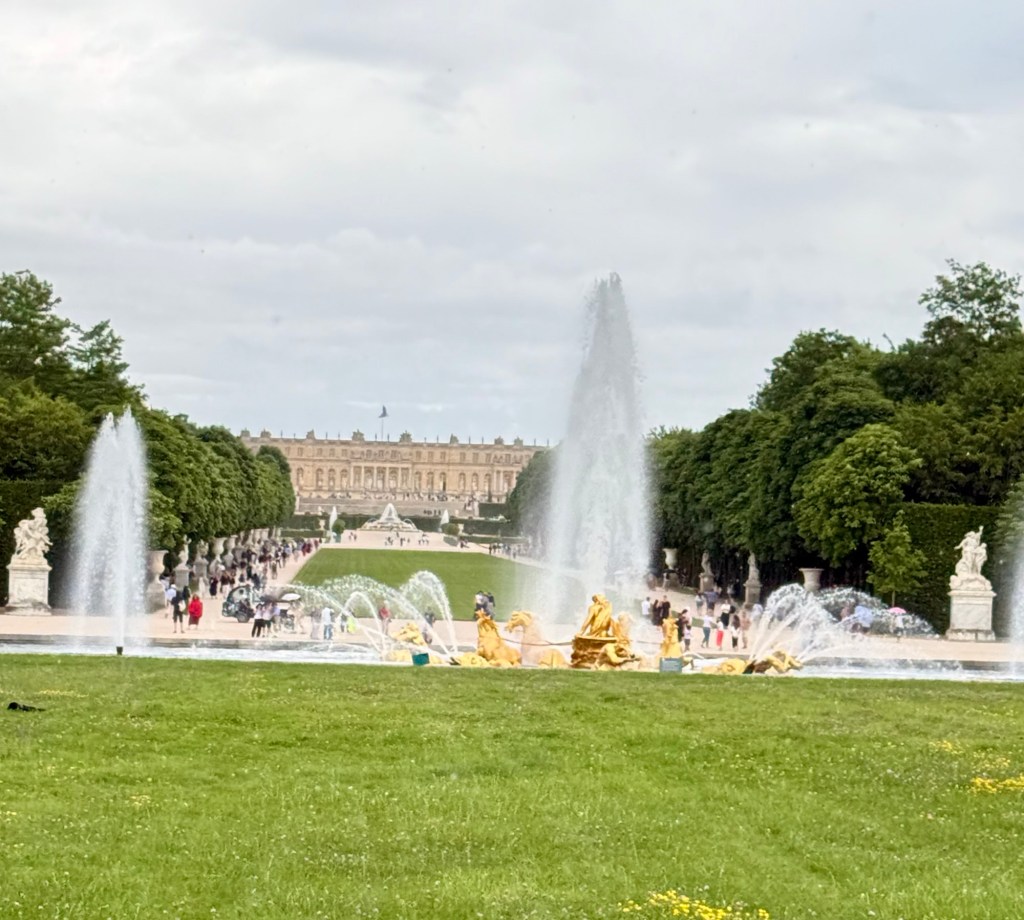
The fountains of Versailles operated on an ingenious system: the water was turned on only in the areas where the king was present, to conserve resources.
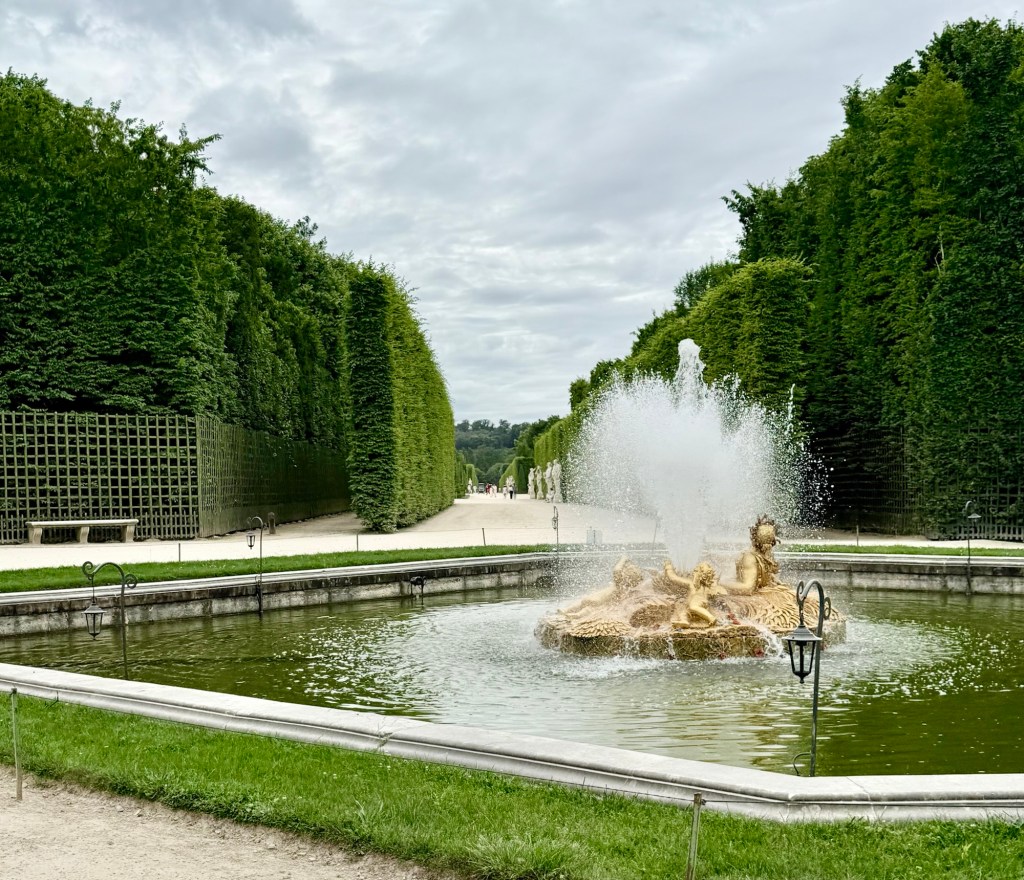
What felt different here:
If the palace shows you the official image of royalty, Trianon shows you its human side. Quieter, more imperfect, but somehow more real.
Discover more from "The world is your oyster".
Subscribe to get the latest posts sent to your email.
